
Pests
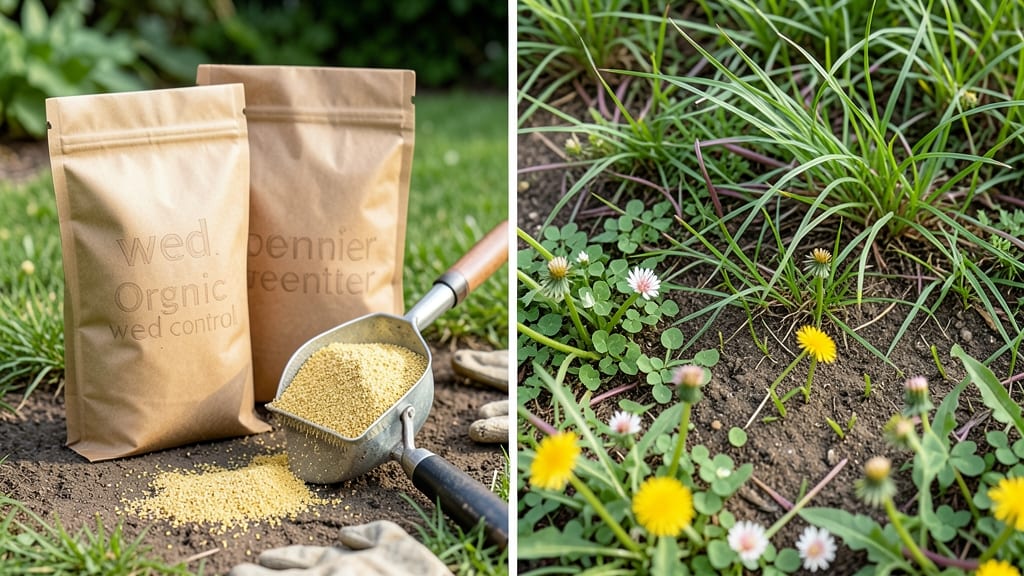
Cornmeal gluten for weeds works by attracting weed seeds while blocking their germination, then starving existing roots by dehydrating them within 24-48 hours through its high protein content and natural properties. Apply evenly in dry conditions for best results.
This organic weed killer disrupts weeds at two critical stages: first by luring seeds to the surface where they can't sprout, and second by absorbing moisture from established roots. 🌱 The high protein content breaks down into nitrogen-rich fertilizer over time, feeding your soil instead of harming it.
Unlike chemical herbicides, it won't kill grass or beneficial plants when used correctly, making it ideal for organic gardens and lawns where you want to maintain healthy turf.
For best results, apply it when weeds are actively growing and before rain is forecasted. A 20-pound bag typically covers 5,000 square feet, and you'll need to reapply every 3-4 months for continuous weed suppression.
The key is consistency—it won't work overnight, but with regular use, you'll see a dramatic reduction in weeds within a few weeks.
💡 In This Article
- How Cornmeal Gluten Kills Weeds at the Root
- Best Practices for Applying Cornmeal Gluten in Gardens
How cornmeal gluten kills weeds at the root
Cornmeal gluten works its magic through a two-pronged attack on weeds. First, it contains a protein called gluten that acts as a natural attractant for weed seeds. When spread on soil, the fine particles create a textured surface that mimics ideal germination conditions.
Weed seeds, sensing this "perfect" environment, sprout—but instead of growing into healthy plants, they quickly dehydrate because the cornmeal gluten absorbs moisture from the soil. This process can kill up to 90% of weed seeds within 24-48 hours of contact, depending on soil moisture levels.
The second phase targets established weeds by disrupting their root systems. The high protein content (around 60% protein) breaks down slowly in the soil, releasing nitrogen that feeds beneficial microbes. However, during this process, it also creates a semi-arid microclimate around weed roots.
Cornmeal gluten has a natural ability to absorb up to 3 times its weight in water, effectively starving weeds by pulling moisture away from their roots. This dehydration process is gradual but relentless, causing roots to wither and die within 3-7 days of consistent application.
What sets cornmeal gluten apart from chemical herbicides is its dual role as both a weed killer and soil conditioner. Unlike synthetic herbicides that leave behind toxic residues, cornmeal gluten decomposes into organic matter, enriching the soil with nitrogen.
This makes it particularly effective in organic gardening, where maintaining soil health is just as important as controlling weeds. For comparison, chemical herbicides like glyphosate kill weeds by disrupting their growth hormones, but they don't improve soil quality—they often degrade it over time.
The protein content in cornmeal gluten also plays a crucial role in its effectiveness. When applied to dry soil, the proteins bind to weed seeds and prevent them from absorbing enough water to germinate.
This is why timing is everything—applying it before a rain shower would wash it away before it can take effect. The ideal application rate is 20 pounds per 5,000 square feet, which creates a uniform layer that covers seeds and roots evenly.
Unlike pre-emergent herbicides that form a chemical barrier, cornmeal gluten works by physically altering the soil environment around weeds.
One often overlooked benefit is how cornmeal gluten affects weed seed banks. Many weeds produce thousands of seeds that lie dormant in the soil for years. Chemical herbicides only target visible weeds, leaving these seed banks intact.
Cornmeal gluten, however, disrupts this cycle by preventing new weeds from establishing in the first place. Over time, this reduces the overall weed population in your garden, making future weed control efforts much easier.
The breakdown products also stimulate microbial activity, which further suppresses weed growth by outcompeting them for nutrients.
For those concerned about grass damage, cornmeal gluten is generally safe for lawns when applied correctly. The key difference is that established grass roots have deeper access to moisture, while shallow weed roots are more vulnerable to dehydration.
However, newly seeded lawns should avoid cornmeal gluten until the grass is fully established, as young grass seedlings are equally susceptible to moisture loss. This selective pressure is what makes cornmeal gluten such a targeted solution for weed control in lawns and garden beds alike.