
Lawn
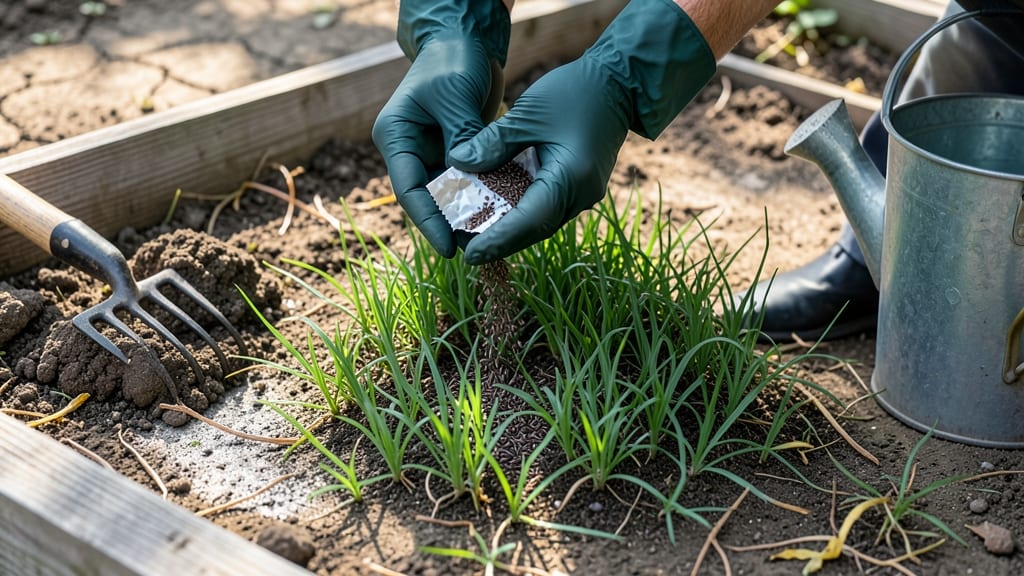
Waiting 6-12 weeks after weed killer before planting grass seed isn't just a guess—it's the difference between a thick, green lawn and one that struggles to take hold. 🌱 I learned this the hard way when my first attempt at overseeding died back because of lingering herbicide in the soil.
The timing varies wildly depending on what kind of weed killer you used, but knowing the rules saves you from frustration and wasted seed.
Pre-emergent herbicides like crabgrass preventers can stay active in the soil for 3-6 months, while post-emergent herbicides like 2,4-D or glyphosate break down faster—usually within 2-4 weeks.
The key is testing your soil first with a simple water test: if the water runs clear after soaking the area, it’s likely safe. If it’s still cloudy or smells chemical, wait longer or till the top 2-3 inches of soil to dilute any remaining residue.
When you finally plant, you’ll see the difference immediately—seeds germinate faster, roots establish stronger, and your lawn fills in uniformly without patchy spots. The secret isn’t just the timing, though; it’s also preparing the soil by raking out dead weeds, loosening compacted areas, and adding a light layer of compost.
This gives your new grass the best possible start, even after herbicide.
For stubborn weeds or tight schedules, consider alternative methods like manual removal (digging or hand-pulling) or smothering with cardboard before seeding. These take more effort upfront but let you plant as soon as the weeds are gone—no waiting required.
Either way, your lawn will thank you for the patience (or the shortcut).
📚 In This Guide
- What you need
- Instructions
- Tips and common mistakes
- Wrapping up and next steps
What you need
- ● Weed killer (pre-emergent or post-emergent): Choose a non-residual or selective herbicide if planting soon after application (e.g., corn gluten meal for organic options). Always follow label instructions for wait times.
- ● Grass seed: Select a blend suited to your climate (e.g., Kentucky bluegrass, fescue, or Bermuda). Aim for 5-10 lbs per 500 sq ft, depending on seed type and desired thickness.
- ● Soil test kit: Check pH levels (ideal range: 6.0–7.0) to adjust with lime (if too acidic) or sulfur (if too alkaline).
- ● Lawn rake or dethatcher: Use a bendable-tine rake to loosen soil and remove debris. A dethatcher helps if the lawn has thick thatch (½ inch or less).
- ● Topsoil or compost: 1–2 inches of high-quality topsoil or compost to improve seed-to-soil contact and nutrients.
- ○ Lawn roller (optional but helpful): A 100–150 lb roller to press seed into soil and ensure even coverage.
- ● Watering supplies: Hose with gentle spray nozzle (e.g., showerhead or mist setting).
- ● Watering can (for small areas).
- ● Soaker hose (for deep, even moisture).
- ● Fertilizer (starter blend): A low-nitrogen, high-phosphorus fertilizer (e.g., 10-20-10 ratio) to promote root growth. Apply lightly per package instructions.
- ○ Mulching hay or straw (optional): ¼–½ inch layer to retain moisture and protect seed from birds. Avoid thick layers that may smother growth.
- ● Gloves and knee pads: Protect your hands and knees during prep work!
- ● Check the weed killer label: Always confirm the minimum wait time before planting (typically 3–30 days, depending on the product). Some organic options (like vinegar-based killers) may require 24–48 hours.
- ● Test soil moisture: Plant only when the top 2–3 inches of soil are moist but not soggy. Overwatering before planting can wash away seed.
- ● Choose the right season: Plant grass seed in early fall or spring when temperatures are 60–75°F for optimal germination.
- ● Clear debris: Remove rocks, sticks, and dead grass to ensure seed makes direct contact with soil.
Step-by-Step guide to safely planting grass seed after weed killer
Timing is everything when reviving your lawn—here's how to wait it out and plant just right.
⏰ Step 1: Identify the Type of Weed Killer Used
First, check the label on your weed killer container—this is non-negotiable. Pre-emergent herbicides block weed seeds from sprouting, while post-emergent herbicides kill existing weeds. The waiting period differs dramatically: pre-emergents typically require 4-6 weeks before planting grass seed, while post-emergents can demand 6-12 weeks (or even longer for tougher chemicals like glyphosate).
If you're unsure, observe your lawn. If weeds are actively dying but new growth isn't emerging, you've likely used a post-emergent. If weeds simply aren't sprouting at all, it's probably pre-emergent. This distinction determines your entire timeline—skipping this step risks stunted grass or chemical damage.
🌱 Step 2: Wait for Chemical Residue to Break Down
Once you've confirmed the type, start counting days. For pre-emergent herbicides, wait until the full recommended waiting period on the label has passed—this is when the active ingredients degrade enough to be safe for grass seed. I like to mark the date on my calendar and set a reminder, because rushing leads to poor germination or seedling death.
For post-emergent herbicides, the process is slower. The soil needs time to detoxify, so test a small area first: sprinkle a handful of grass seed in a 6-inch square and monitor for 7-10 days. If the seeds sprout and grow without browning or stunting, it's safe to proceed. If not, extend the wait by another 2-4 weeks.
💧 Step 3: Prepare the Soil for Seeding
After the waiting period, rake the soil to a depth of 1-2 inches to break up any remaining weed debris and create a smooth seedbed. Remove any dead weeds or chemical residue that might inhibit grass growth. The goal is a fine, crumbly texture—like loose topsoil—that lets seeds make direct contact with the earth.
Test the soil's moisture level by squeezing a handful. It should hold together lightly but not feel soggy. If it's too dry, water lightly until the top ½ inch feels damp. Overwatering now can wash away seeds or activate lingering herbicide residues, so aim for consistent moisture without saturation.
☀️ Step 4: Plant Grass Seed at the Right Time
Choose a day with gentle weather forecasts—no rain predicted for 24-48 hours after seeding. Spread the grass seed evenly using a broadcast spreader or by hand, following the recommended rate on the seed packet. For most lawns, 5-10 pounds per 1,000 square feet is ideal, depending on the seed blend.
Lightly rake the area again to ensure seeds are buried ¼ inch deep—this protects them from birds and wind while still allowing sunlight to reach them. Cover with a thin layer of straw mulch (if using) to retain moisture and prevent crusting. Water gently but thoroughly, keeping the soil consistently moist until germination, which typically occurs in 7-21 days.
✂️ Step 5: Monitor and Maintain for Strong Growth
Once grass reaches 3-4 inches tall, it's time to mow—but only if the blades are sharp. Set your mower to 3-4 inches high to encourage deep root growth. Avoid walking on the new grass for at least 4-6 weeks to prevent soil compaction and damage to tender roots.
Watch for signs of stress: yellowing patches or slow growth could indicate lingering herbicide. If this happens, flush the soil with 1-2 inches of water weekly for 2 weeks to dilute any remaining chemicals. Fertilize lightly with a starter blend once the grass is established to boost its resilience.
Tips & tricks for perfect lawn revival after weed killer
A few strategic moves can make all the difference between patchy results and a lush, healthy lawn after chemical treatment.
Label Accuracy is Non-Negotiable: Always double-check the weed killer label for the exact waiting period—this is your golden rule. I once rushed a pre-emergent treatment after just 3 weeks instead of the required 6, and my grass barely sprouted. The label's timing accounts for chemical breakdown, not just "when it looks safe." If you're unsure about the type of herbicide used, look for visual clues: post-emergents kill existing weeds (you'll see dead patches), while pre-emergents prevent new growth (your lawn looks eerily weed-free).
Test Before Committing: For post-emergent treatments, the small-area test in Step 2 is your safety net. I recommend marking the test square with flags or stakes so you don't accidentally seed over it later. After 7-10 days, if the test seeds show any browning or stunted growth, extend the wait by 2-4 weeks—this extra patience prevents wasting an entire bag of grass seed. The test might feel tedious, but it's cheaper than replanting.
Soil Prep Makes or Breaks Success: When you reach Step 3, focus on creating that ideal "loose topsoil" texture by raking to 1-2 inches deep. I've seen people skip this and struggle with poor seed contact—imagine trying to grow plants in compacted dirt! For extra insurance, work in a thin layer of compost (¼ inch) before seeding to improve soil structure and nutrient availability. This small step dramatically improves germination rates.
Weather Timing is Everything: Those 24-48 hours of dry weather after seeding in Step 4 aren't just suggestions—they're critical. I've learned this the hard way during spring rains that washed away fresh seed. Check your local forecast for "light rain" warnings—even gentle showers can create runoff. If rain is forecast within 48 hours, delay seeding by a few days rather than risking uneven germination.
Pro Tips for How Long After Weed Killer Can You Plant Grass Seed
- A few strategic moves can make all the difference between patchy results and a lush, healthy lawn after chemical trea...
- Label Accuracy is Non-Negotiable: Always double-check the weed killer label for the exact waiting period—this is your...
- Test Before Committing: For post-emergent treatments, the small-area test in Step 2 is your safety net. I recommend m...
Frequently asked questions
about planting grass seed after weed killer—here’s what you need to know!How long does it take for weed killer to fully break down in the soil?
Most selective weed killers (like those for broadleaf weeds) break down in 24–48 hours, while non-selective (like glyphosate) can take 1–2 weeks or longer. Always check the product label—some require a 30-day wait before planting. Rain or watering speeds up breakdown, but avoid planting until residue is gone!
Can I plant grass seed right after killing weeds with vinegar?
Vinegar-based weed killers are fast-acting but harsh—wait at least 1–2 weeks before seeding. Vinegar leaves behind acetic acid, which can harm young grass roots. Test soil pH after treatment; if it’s too acidic (below 6.0), amend with lime before planting for better germination.
Will rain wash away weed killer residue before I plant?
Rain does help dilute weed killer, but it doesn’t guarantee safe planting. Heavy rain may wash away 50–70% of residue in 24–48 hours, but some chemicals linger. If you’re in a hurry, wait 7–10 days after rain before seeding. Always prioritize the label’s recommended wait time over weather!
What if I accidentally plant grass seed too soon after weed killer?
If seeds sprout but grow slowly or turn yellow, the weed killer may still be active. Don’t panic! Water deeply to flush residual chemicals, and re-seed in a new area after the wait period. For severe cases, test soil with a home pH kit—high acidity or chemical traces can stunt growth.
Are there safer weed killers I can use before planting?
Yes! Opt for corn gluten meal (pre-emergent, organic) or boiling water for spot treatment—both break down quickly (1–3 days). For post-emergent options, iron-based weed killers (like Iron X) are grass-safe and decompose in 24–72 hours. Always spot-treat weeds to minimize soil disruption.
| Weed Killer Type | Safe Wait Time | Notes |
|---|---|---|
| Glyphosate (Roundup) | 1–2 weeks | Soil must test negative for residue. |
| Selective (2,4-D) | 24–48 hours | Safe for grass but kills broadleaf weeds. |
| Iron-based (Iron X) | 24–72 hours | Grass-safe and breaks down quickly. |
Wrapping up and next steps
Ready to transform your lawn into a vibrant, weed-free oasis? 🌱 The key takeaway is simple: wait at least 1-4 weeks after applying weed killer before planting grass seed, depending on the product and weather.
Always check the label, prioritize soil prep, and choose the right grass type for your climate to set yourself up for success.
Now that you’re armed with the knowledge, it’s time to roll up your sleeves! Start by clearing debris, testing your soil, and picking the perfect grass seed for your yard. Your dream lawn is just a few steps away—go get it! 💪