
Pests
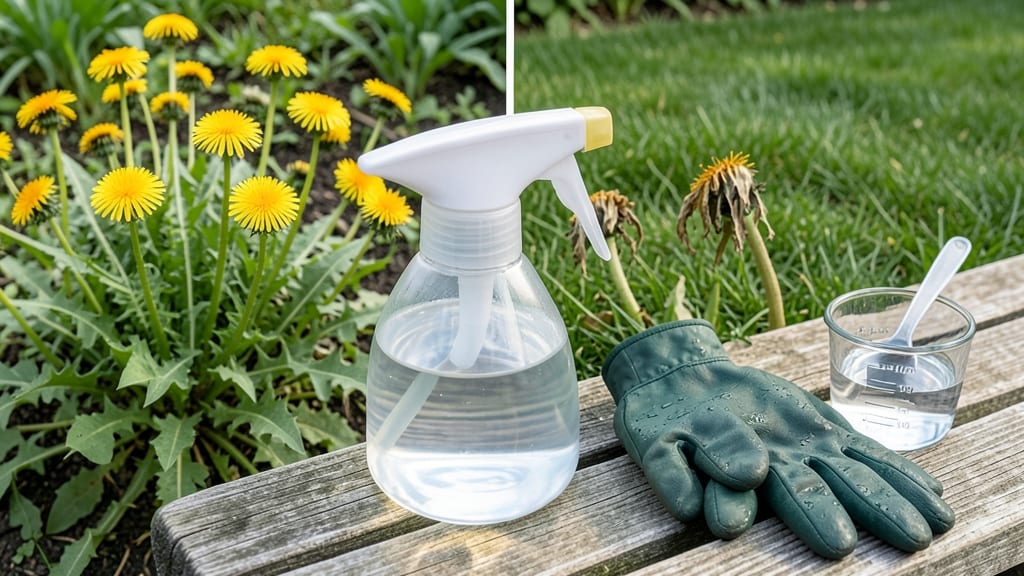
To dilute 30% vinegar for weed killer, combine 1 part vinegar with 3 parts water to create a 7.5% acetic acid solution—this concentration kills weeds effectively while minimizing damage to surrounding plants. Spray directly on sunny days for optimal results.
This 1:3 ratio balances potency with plant safety, as undiluted vinegar (30% acetic acid) can scorch foliage and soil. 🌱 The diluted solution disrupts weed cell membranes through osmosis, causing them to dehydrate and die within 24-48 hours.
For tough weeds, reapply every 3-5 days until fully eradicated, but avoid spraying edible plants or lawns, as vinegar can harm grass and vegetables.
Sunlight plays a crucial role—vinegar works best when applied during peak sunlight hours (10 AM to 4 PM), as UV rays enhance its herbicidal effects. Always wear gloves and protective eyewear, and test a small area first to ensure it won’t damage nearby plants.
For large areas, consider adding a few drops of dish soap to help the solution stick to weed leaves.
💡 In This Article
- How Vinegar Concentration Affects Weed Killing Effectiveness
- Step-by-Step Guide to Mixing and Applying Vinegar Weed Killer
How vinegar concentration affects weed killing effectiveness
Vinegar’s weed-killing power comes from its acetic acid content, which acts like a natural herbicide by disrupting plant cell membranes. At 30% concentration, vinegar contains 300 grams of acetic acid per liter—far stronger than household vinegar (5-8%).
When applied undiluted, this high acidity can burn weeds instantly but also risks damaging desirable plants and soil microbes. The 7.5% solution (achieved by diluting 1:3) strikes a balance: it penetrates weed leaves while giving surrounding plants a fighting chance to recover.
The science behind this lies in osmotic shock. Acetic acid breaks down the waxy cuticle on weed leaves, allowing the acid to seep into cells. Inside, it disrupts the vacuolar membrane—the plant’s water storage system—causing cells to lose moisture and collapse.
At 5% concentration, this process happens slowly (taking 3-5 days), while 20%+ concentrations can kill weeds in 6-12 hours. However, higher concentrations also increase the risk of soil pH imbalance, which can harm future plantings.
Sunlight amplifies vinegar’s effects by accelerating photodegradation—the breakdown of plant tissues under UV rays. When you spray weeds on a sunny day, the vinegar solution absorbs heat, which increases the rate of cell membrane disruption. This is why gardeners see faster results in direct sunlight versus shade.
For example, dandelions sprayed at noon with a 7.5% solution often wilt within 24 hours, while the same treatment in shade may take 48-72 hours. 🌞
Not all weeds respond equally. Broadleaf weeds (like chickweed or clover) are more susceptible because their leaves have thinner cuticles. Grass weeds (such as crabgrass) require higher concentrations (10-15%) for effective control due to their tougher cell walls.
The key is matching the vinegar strength to the weed type: 5-7.5% for delicate weeds, 10-15% for tougher invaders, and never exceeding 20% unless targeting deep-rooted perennials like thistle.
Another critical factor is reapplication timing. Weeds often regrow from roots or seeds, so spraying every 3-5 days for 2-3 weeks ensures complete eradication. For instance, a patch of creeping Charlie (a stubborn groundcover weed) might require 4-6 applications before disappearing entirely.
The 7.5% solution is ideal here because it’s strong enough to weaken the weed’s root system over time without sterilizing the soil.
What most people overlook is vinegar’s secondary effect on soil microbes. While acetic acid targets weeds, it can also kill beneficial bacteria and fungi that help decompose organic matter. To mitigate this, avoid spraying near desirable plants or in garden beds where you plan to plant soon.
Instead, use vinegar as a spot treatment in pathways, driveways, or between paving stones where weeds are unwanted but plants aren’t.