
Light Requirements
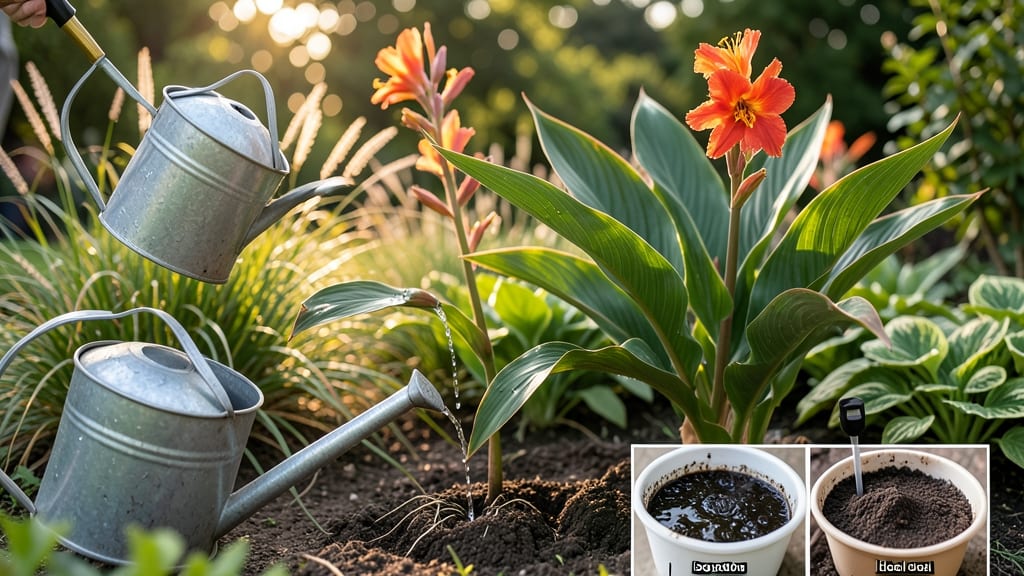
Canna lilies need a lot of water to thrive, but the key isn’t drowning their roots—it’s keeping soil consistently moist without letting it turn to soup.
Picture this: your 🌺 canna lilies are putting on a show with vibrant blooms, only to suddenly droop or develop yellow leaves. Chances are, you’re either overwatering or underwatering—both are silent killers for these tropical beauties.
Here’s the secret: deep, infrequent watering beats light, frequent sips every time. In summer’s heat, they may need daily hydration, but in cooler months, you can stretch that to every few days. The goal? Soil that’s damp but never soggy.
Below, I’ll break down exactly how to tell if your canna lilies are thirsty (or drowning), plus seasonal tweaks to keep them happy from spring’s first bloom to fall’s last burst of color.
How much water canna lilies actually need (and when to adjust)
Canna lilies thrive with consistent moisture, but their water needs shift dramatically with seasons. Unlike drought-tolerant plants, these tropical beauties demand regular hydration—yet too much water can suffocate their roots.
The key lies in understanding their natural habitat: swampy edges and riverbanks where soil stays damp but never soggy.
Most gardeners overestimate how much water canna lilies truly need. While they love moisture, their thick rhizomes store water, making them surprisingly resilient. The real challenge? Balancing hydration without creating a breeding ground for root rot or fungal diseases.
Let’s break down their ideal moisture levels by season and how to test your soil’s hydration status.
⚠️ CRITICAL INSIGHT: Canna lilies in containers dry out 30-50% faster than in-ground plants due to limited root space and evaporation. Adjust your watering schedule accordingly.
During spring and summer, aim for 1-1.5 inches of water per week, delivered through deep watering sessions rather than frequent light sprinkles. Shallow watering encourages weak root systems and attracts pests.
Use a moisture meter or the finger test—insert your finger 1-2 inches into the soil; if it feels dry, it’s time to water.
Many gardeners mistakenly believe canna lilies need constant soggy soil, but this leads to oxygen deprivation in the roots. A simple fix: Amend heavy clay soil with compost or perlite to improve drainage while retaining moisture.
For containers, ensure pots have drainage holes and use a well-draining potting mix with added organic matter.
In hot, dry climates, increase watering frequency but reduce evening watering to prevent fungal growth. Mulch with straw or shredded leaves to lock in moisture and regulate soil temperature. This reduces evaporation by up to 30% while suppressing weeds that compete for water.
Winter care is where most gardeners go wrong. While canna lilies enter dormancy, their rhizomes still need minimal moisture to survive. Reduce watering to bi-weekly and only when the top 1-2 inches of soil feel completely dry. Overwatering in winter can cause rhizomes to rot before spring.
Pro tip: Group canna lilies with other moisture-loving plants like hostas or astilbes to create a microclimate that retains humidity naturally. This mimics their native swampy habitats and reduces your watering workload by up to 20%.
Watch for yellowing leaves or mushy stems—these are red flags for overwatering. Conversely, crispy leaf edges or wilting signal underwatering. Adjust your schedule based on these visual cues rather than sticking to a rigid timeline.
For container growers, consider self-watering pots or drip irrigation systems to maintain consistent moisture without guesswork. These tools deliver water directly to the root zone, reducing runoff and evaporation while keeping soil evenly hydrated.
Remember: Canna lilies are not drought-tolerant, but they’re also not thirsty houseplants. The goal is consistent dampness, not saturation.
With the right balance, you’ll enjoy vibrant blooms from summer through fall—proof that these tropical stars don’t need a lot of water, just the right amount at the right time. 🌺💧
Signs your canna lilies are thirsty (or drowning) + fixes
Your canna lilies send clear signals when their water needs aren't met. Drooping leaves or yellowing foliage often mean they're thirsty, but mushy stems or blackened roots scream "too much water!" The key is learning these visual cues before irreversible damage occurs.
Start by checking the soil moisture with your finger—top 2 inches dry means it's time to water. Canna lilies love moisture but hate soggy roots. If the soil feels damp beyond 3 inches, hold off watering to prevent root rot.
⚠️ callout warning ⚠️
Do canna lilies need a lot of water? Yes—but "a lot" doesn't mean daily drowning. These tropical plants crave consistent moisture, not waterlogged soil. 1-2 inches of water per week (or daily in summer heat) is ideal. Overwatering kills faster than underwatering—always check soil before watering!
For thirsty canna lilies, water deeply until it drains through the bottom of the pot or soil. Morning watering prevents fungal issues, and mulch helps retain moisture while keeping roots cool. If leaves curl or crisp at edges, increase watering frequency during hot spells.
When overwatered, canna lilies show yellow lower leaves first, followed by mushy stems and foul-smelling soil. Stop watering immediately, let soil dry slightly, and repot if roots appear black or mushy. Well-draining soil with organic matter prevents future issues.
Use a moisture meter for accuracy—aim for 60-70% moisture in the root zone. Container-grown canna lilies dry out faster; check soil daily in summer heat. For outdoor beds, water at the base to avoid wetting leaves, which attracts fungal diseases.
Adjust your routine seasonally: daily watering in summer, every 3-4 days in fall, and bi-weekly in winter dormancy. Consistency is key—canna lilies thrive with predictable moisture, not sporadic soaking. With these fixes, your plants will reward you with vibrant blooms all season! 🌺