
Pests
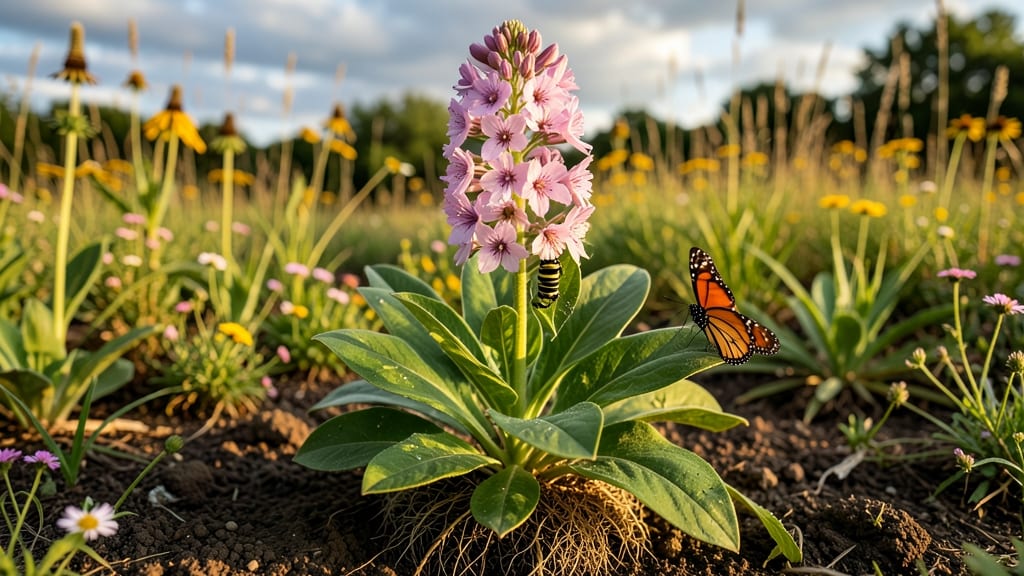
Monarch butterflies do eat milkweed exclusively, as their caterpillars depend entirely on it for food and survival, while adult butterflies gather nectar from milkweed blooms. This plant is vital for their lifecycle and habitat preservation.
Monarch butterflies have a fascinating relationship with milkweed that goes beyond basic nutrition. 🌿 The plant's leaves contain toxins that make caterpillars unpalatable to predators, effectively arming them with natural protection.
This chemical defense is so effective that monarch caterpillars can only thrive on milkweed—no other plant provides the right balance of nutrients and toxins. As adults, they continue this cycle by laying eggs exclusively on milkweed stems, ensuring the next generation has access to their essential food source.
This dependency makes milkweed a cornerstone of monarch conservation efforts. Many gardeners and conservationists plant native milkweed species to support declining monarch populations, creating vital stopover points during their annual migrations. The plant's role extends beyond food—its flowers also provide nectar for adult butterflies, completing the lifecycle connection.
💡 In This Article
- Why Milkweed Is Essential for Monarch Butterfly Survival
- How to Grow Milkweed for Monarch Butterflies
Why milkweed is essential for monarch butterfly survival
The monarch butterfly's survival hinges on a unique chemical partnership with milkweed. This plant produces cardenolides, a group of toxins that make monarch caterpillars toxic to predators like birds and spiders.
These compounds accumulate in the caterpillar's body, creating a bitter taste that deters would-be attackers. 🌱 Scientists have measured cardenolide levels in milkweed leaves ranging from 0.05% to 0.5% of dry weight, enough to make a caterpillar unpalatable while still providing essential nutrients like proteins and sterols needed for growth.
This toxic defense system works like nature's built-in armor. When a predator like a blue jay tries to eat a monarch caterpillar, it often vomits immediately after tasting the bitter compounds. The caterpillar's bright colors serve as a warning signal, a phenomenon called aposematic coloring.
Interestingly, this same toxicity persists into the adult butterfly stage—monarchs remain toxic throughout their entire lifecycle, making them one of nature's most chemically protected species.
The nutritional benefits go beyond protection. Milkweed leaves contain high levels of water-soluble sugars and nitrogen compounds that fuel rapid growth during the caterpillar's 14-18 day larval stage. Studies show that caterpillars fed exclusively on milkweed grow 20-30% faster than those on alternative plants.
The plant's high water content (about 85% moisture) also helps caterpillars maintain hydration during their development.
What makes this relationship even more fascinating is the monarch's ability to detoxify milkweed's toxins through specialized enzymes. Their liver produces P450 enzymes that process and store cardenolides in their bodies without harm. This biochemical adaptation allows them to thrive on a diet that would be deadly to most insects.
The adult butterflies continue this cycle by laying eggs exclusively on milkweed plants, ensuring their offspring have access to this essential food source.
This dependency creates a delicate ecological balance. Without milkweed, monarch populations would collapse—yet the plant's toxins also make it unpalatable to most herbivores, protecting it from overgrazing.
In fact, some studies suggest that 99% of monarch caterpillars would die without access to milkweed, highlighting just how specialized this relationship truly is. 🦋 The plant's role extends beyond food, as its flowers provide nectar for adult butterflies, completing the lifecycle connection that has evolved over millions of years.
This mutualistic relationship explains why conservation efforts focus heavily on milkweed preservation. When milkweed disappears from landscapes—due to herbicide use or habitat destruction—monarch populations decline dramatically. The plant's presence isn't just about food; it's about creating a complete ecosystem where every stage of the monarch's life cycle can thrive.
This is why gardeners planting milkweed see immediate benefits in their yards, as the butterflies return in greater numbers each season.