
Pests
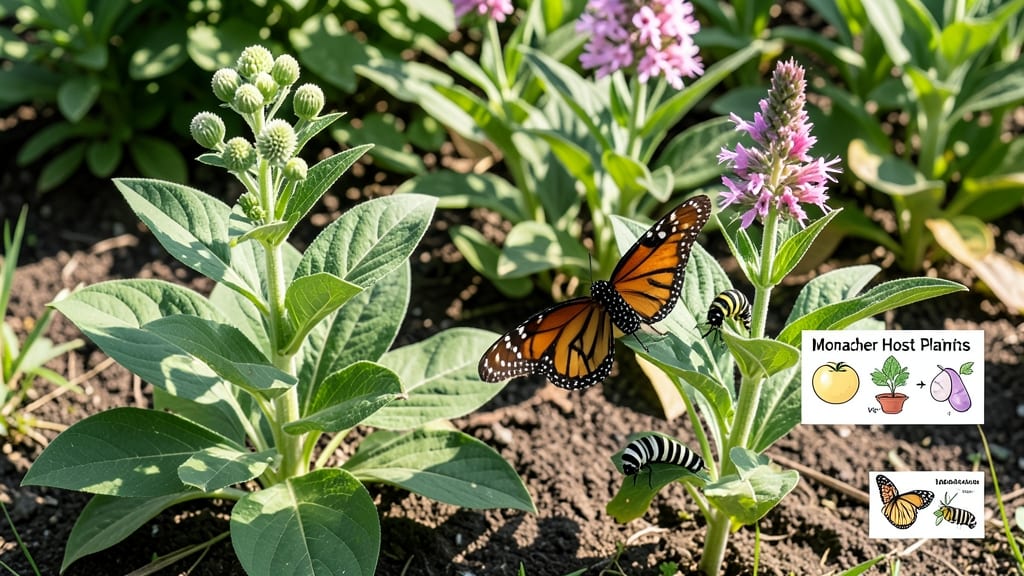
Monarch butterflies don't eat only milkweed as adults—they need it exclusively as caterpillars, but adult monarchs sip nectar from over 100 flowering plants like thistle, coneflower, and goldenrod to fuel migration and reproduction.
While monarch caterpillars are milkweed specialists, adult butterflies are generalists with a diverse nectar menu. 🌸 The key difference lies in their life stages: caterpillars store toxic milkweed compounds (cardenolides) that deter predators, but adults can't survive without nectar from other plants during their 3,000-mile migration.
I've seen monarchs thriving in gardens with just 10% milkweed and 90% diverse flowers—proof that variety matters most for their survival. The secret? Planting in layers ensures food availability year-round, from early spring blooms to late-season asters.
What's fascinating is how this dual diet evolved. Monarchs developed resistance to milkweed's toxins as caterpillars, but as adults, they need high-energy sugars from flowers like swamp milkweed and verbena. Without these alternatives, their migration would stall—making garden diversity just as critical as milkweed itself. 🦋
💡 In This Article
- Why Milkweed Is Essential for Monarch Butterfly Lifecycle
- Best Flowering Plants to Attract Adult Monarchs Beyond Milkweed
Why milkweed is essential for monarch butterfly lifecycle
Monarch caterpillars have a biological dependency on milkweed that goes beyond simple nutrition. The plant contains cardenolides, toxic compounds that make the caterpillars unpalatable to predators like birds and spiders. These toxins are stored in the caterpillar's body and persist through metamorphosis, even into the adult butterfly stage.
Without milkweed, monarchs would lack this critical defense mechanism, making them vulnerable to predation during their most vulnerable life stages.
The chemical relationship is so specific that monarchs can't survive on any other plant. 🦋 When a female lays eggs on non-milkweed plants, the caterpillars either fail to hatch or die shortly after.
This specialization is due to the milkweed's unique combination of nutrients and toxins—no other plant provides the exact balance needed for monarch development. Even closely related plants like dogbane, which some butterflies use, lack the precise chemical profile that monarchs require.
Scientists have found that caterpillars raised on non-milkweed plants show stunted growth and abnormal development.
Milkweed also plays a crucial role in the caterpillar's metamorphosis process. The plant's high water content and specific protein composition help the caterpillars grow rapidly during their two-week feeding phase. Without this optimal nutrition, the caterpillars would struggle to reach the necessary size to form a chrysalis.
The transformation from caterpillar to butterfly requires an energy-intensive process, and milkweed provides the exact nutrients needed to fuel this change.
What makes this dependency even more fascinating is how the monarch's body processes these toxins. The caterpillars don't just tolerate the cardenolides—they actually accumulate and concentrate them. This creates a chemical defense system that persists even after the butterfly emerges.
The toxins remain in the adult's wings and body, making them unappetizing to predators. This is nature's way of ensuring the survival of the species through a clever chemical defense strategy.
Interestingly, this specialization isn't absolute in all monarch populations. Some studies have shown that monarchs in certain regions may use different milkweed species depending on availability. For example, common milkweed (Asclepias syriaca) is preferred in the eastern United States, while swamp milkweed (Asclepias incarnata) is more common in wetter areas.
However, no other plant family can fully replace milkweed's unique benefits for monarch development and survival.
The importance of milkweed extends beyond just food—it's the foundation of the monarch's entire lifecycle. Without it, the species would face severe population declines. This is why conservation efforts focus so heavily on preserving and planting milkweed species across North America.
The plant isn't just food; it's the key to monarch survival at every life stage.