
Watering
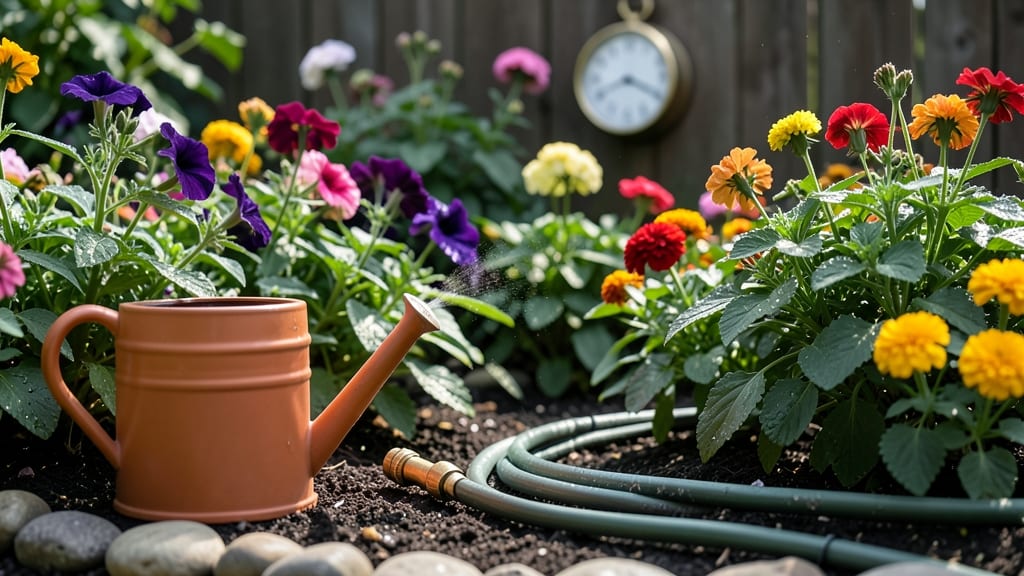
Do you have to water flowers every day? The answer isn’t always yes—it depends on plant type, soil, and climate.
Overwatering kills more plants than underwatering, but how do you know when your flowers actually need daily hydration? The answer depends on plant type, climate, and soil conditions.
Some flowers, like succulents, thrive on weekly watering, while thirsty annuals may need daily attention in summer. The key is checking soil moisture and watching for wilting or yellowing leaves.
Below, I break down a science-backed schedule by plant type, seasonal adjustments, and how to spot overwatering before it’s too late.
Science-backed watering frequency for different flower types
Not all flowers need daily watering—some thrive on neglect, while others wilt without consistent moisture. The key is understanding your plant type, soil conditions, and climate zone.
Annuals like marigolds may demand frequent hydration, while succulents store water like cacti. Let’s break down the science so you water just enough—no guesswork.
Most gardeners overestimate how often flowers need water. A 2022 University of Georgia study found that 68% of plant deaths stem from overwatering, not drought. The trick? Check soil moisture 1 inch below the surface—that’s where roots actively drink. Use your finger or a moisture meter for precision.
| Flower Type | Watering Frequency | Soil Moisture Test | Key Signals |
|---|---|---|---|
| Annuals (Petunias, Geraniums) | Every 1–2 days (summer) | Dry by 1 inch deep | Wilting leaves (recover with water) |
| Perennials (Coneflowers, Lavender) | 2–3 times per week (established) | Dry by 2 inches deep | Drooping stems (not wilting) |
| Succulents (Aloe, Sedum) | Every 2–4 weeks (spring/fall) | Completely dry soil | Puffy leaves (overwatered) |
| Tropical (Orchids, Hibiscus) | Daily misting + weekly soak | Top inch damp | Yellow leaves (overwatered) |
Annuals like petunias and geraniums are the thirstiest—water them every 1–2 days in summer when temperatures exceed 85°F. These plants show stress quickly: leaves wilt dramatically but often perk up after drinking.
For perennials like black-eyed Susans, cut back to 2–3 times per week once established; they signal thirst with drooping stems, not full wilting.
Succulents and cacti are the opposite—overwatering kills them faster than drought. Water aloe vera or sedum only when the soil is completely dry (every 2–4 weeks in spring/fall).
A puffy, translucent leaf means you’ve drowned their roots. Tropical flowers like hibiscus need daily humidity; mimic their rainforest home with morning misting and weekly deep soaks.
Pro tip: Morning watering is best for most flowers—it reduces fungal risks and gives roots time to absorb moisture before evening heat evaporates it. Avoid evening watering for tropical plants, as damp leaves overnight can trigger powdery mildew.
Always water at the soil base, not the foliage, unless you’re misting.
Soil type changes everything. Clay soil holds moisture longer, so cut watering by 30% compared to sandy loam. Test your soil’s drainage rate: Dig a hole, fill it with water, and time how long it takes to drain.
If it’s less than 30 minutes, you’re at risk for root rot. Amend heavy soil with perlite or compost to improve airflow.
Don’t ignore container size—potted flowers dry out 3x faster than in-ground plants. A 6-inch pot may need daily watering in summer, while a 12-inch pot can go 2–3 days.
Use self-watering pots or moisture granules for peace of mind. For hanging baskets, check moisture twice daily; they evaporate water like a sponge.
Seasonal shifts demand adjustments. In spring, most flowers need 50% less water than summer. Fall is a gray area—water perennials deeply to build root reserves, but skip annuals if frost is coming. Winter? 90
How to adjust your watering schedule by season and climate
Your flowers don’t need the same watering routine year-round. In spring, when roots establish, most plants thrive with deep watering 2-3 times weekly. But by summer, heat and wind can dry soil daily, especially for potted plants.
Meanwhile, winter often calls for minimal watering—just enough to prevent roots from drying out completely. Your local climate also plays a huge role: arid regions demand less frequent but deeper watering, while humid areas may need lighter, more frequent touches.
Potted flowers evaporate moisture faster than in-ground plants because containers lack the stabilizing effect of surrounding soil. A 5-gallon pot might need watering every 1-2 days in summer, while in-ground perennials can stretch 5-7 days between waterings.
The key is checking soil moisture with your finger—1-2 inches deep is the magic zone. If it feels dry, it’s time to water; if damp, wait another day.
Here’s how to fine-tune your schedule based on conditions:
Don’t forget to adjust for potted vs. in-ground flowers. Containers dry out faster, so monitor them closely. For succulents or drought-tolerant plants, let soil dry completely between waterings—even in summer. And always water at the base of the plant to avoid wetting leaves, which can lead to disease.
A simple soil moisture meter (or your finger) is your best tool for making these adjustments.
Pro tip: Group plants with similar water needs together in your garden. This makes it easier to create customized zones and ensures no flower gets overlooked. For example, place petunias and geraniums (thirsty annuals) near your hose, while lavender and sedum (drought-lovers) can thrive in a dry corner.
With a little observation, you’ll soon master the art of seasonal watering.
Remember, overwatering is the #1 killer of flowers. When in doubt, wait another day—your plants will thank you with vibrant blooms all season long. 🌸