
Landscaping
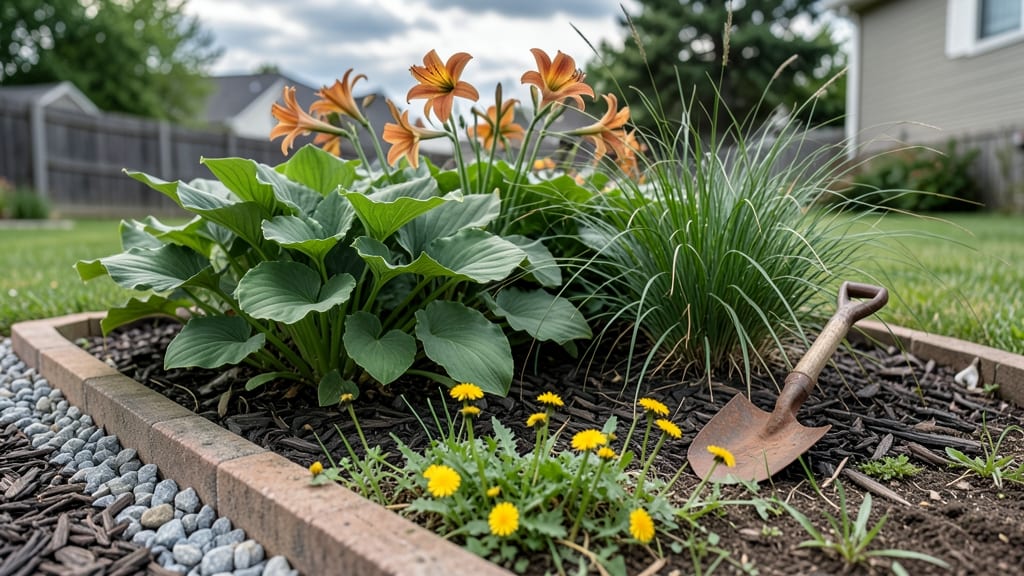
Mulch does help prevent weeds by blocking sunlight from reaching weed seeds, which stops them from germinating while keeping soil moist and improving overall soil health. Organic options like wood chips break down over time, adding nutrients back to the earth.
This works because most weeds need sunlight to sprout—mulch creates a physical barrier that smothers them before they even appear. 🌱 I’ve noticed that a 3-4 inch layer is ideal: thick enough to block light but not so deep it suffocates your plants.
The moisture retention effect is a bonus, as dry soil often encourages weed seeds to germinate faster. Just remember to refresh organic mulch annually, as decomposition reduces its effectiveness over time.
For best results, pair mulch with proper watering—consistent moisture helps establish healthy plants that outcompete weeds naturally. Inorganic mulches like gravel or landscape fabric work differently, focusing on physical suppression rather than soil enrichment.
The key is consistency: mulch alone won’t eliminate weeds, but it’s your first line of defense when combined with good garden habits.
💡 In This Article
- How Mulch Blocks Weed Growth Mechanically and Chemically
- Best Mulch Types and Application Tips for Weed Control
How mulch blocks weed growth mechanically and chemically
Mulch creates a physical barrier that disrupts weed growth primarily through light deprivation. Most weed seeds require sunlight to trigger germination, and a 3-4 inch layer of mulch can block up to 90% of light from reaching the soil surface.
This is especially effective for annual weeds like crabgrass and chickweed, which rely on sunlight to sprout. The thicker the mulch layer, the greater the suppression—studies show a 4-inch layer reduces weed emergence by 80-90% compared to bare soil.
Beyond blocking light, mulch regulates soil temperature fluctuations. Organic mulches like wood chips insulate the soil, keeping it cooler in summer and warmer in winter. Weed seeds often need consistent warmth to germinate, and this temperature stabilization creates an inhospitable environment.
For example, mulched beds maintain soil temps within 5°F of ambient air temperature, compared to 15-20°F swings in bare soil. This thermal buffering is why mulched gardens see fewer weed problems during extreme weather.
Organic mulches add a chemical dimension through allelopathy—the natural release of compounds that inhibit weed growth. Wood chips from certain trees (like black walnut or cedar) contain tannins and phenolic acids that suppress weed seeds. Even common mulches like straw release small amounts of these compounds as they decompose.
The effect isn't immediate but builds over weeks, creating a slow-release weed suppressant. For instance, cedar mulch has been shown to reduce weed growth by 50% compared to pine or hardwood mulches.
Thickness matters more than most gardeners realize. A 2-inch layer might block some light but leaves gaps for weeds to poke through. At 3-4 inches, the coverage becomes nearly impenetrable to most weed species. The trade-off?
Too much mulch (over 6 inches) can suffocate plant roots by blocking oxygen and water. The sweet spot is 3-4 inches—enough to smother weeds while still allowing air and moisture to reach your desired plants.
Seasonal timing affects mulch's weed-suppressing power. Applying mulch in early spring, just as weed seeds begin germinating, gives you the biggest advantage. Summer applications work too, but you'll need to monitor for gaps where weeds might sneak through.
In fall, mulch helps protect soil from erosion while preventing winter weeds like henbit from establishing. The key is consistency: maintaining that 3-4 inch layer year-round gives you the best defense against weeds.
Don't overlook the moisture factor—mulch retains 25-50% more soil moisture than bare ground, creating conditions where established plants thrive while weed seeds struggle. Dry soil actually encourages weed germination, so proper mulching helps break this cycle.
For maximum effect, pair your mulch with regular watering to keep the soil consistently moist but not waterlogged.