
Planting
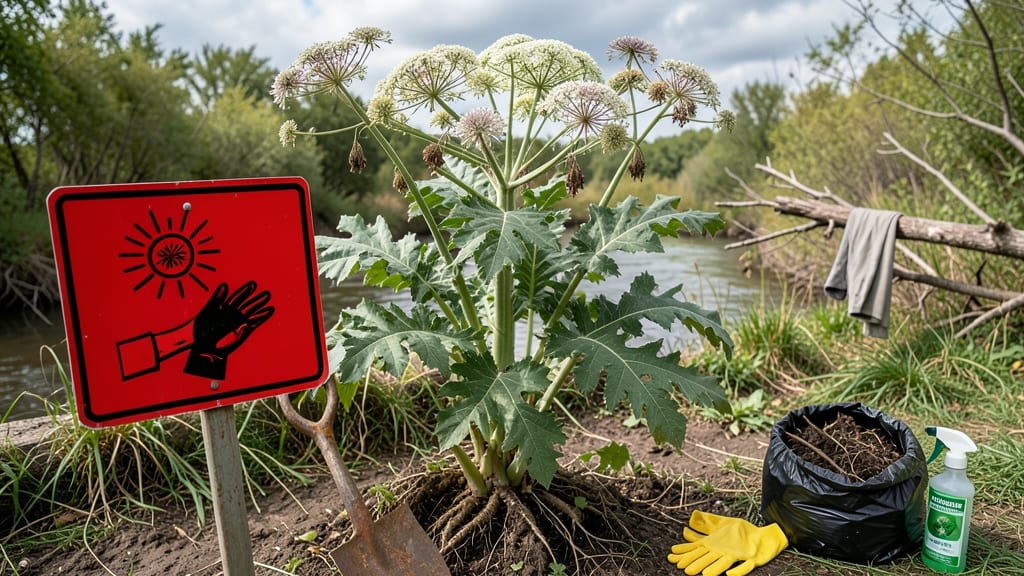
Giant hogweed in Michigan is a highly toxic invasive plant with purple-spotted stems, large compound leaves, and towering flower stalks reaching up to 14 feet. Michigan law requires reporting and proper removal due to severe skin burns and ecological harm it causes. Never touch the sap or plant debris without protective gear.
This aggressive weed, often mistaken for harmless wildflowers, can cause painful blisters within 48 hours of contact. 🌿 Michigan's Department of Agriculture & Rural Development (MDARD) mandates immediate reporting of sightings to prevent spread, as its sap contains phototoxic compounds that react with sunlight.
Even dead plants pose risks, so proper disposal through certified burn piles or landfills is essential. I've seen cases where homeowners accidentally planted nursery-bought "decorative" hogweed, only to face costly cleanup efforts later.
Identifying it early is crucial—its hollow stems with purple blotches and massive umbrella-shaped flowers (up to 5 feet wide) make it unmistakable once established. The key is acting before seed heads form, as a single plant can produce up to 20,000 seeds that remain viable for years.
💡 In This Article
- How to Identify Giant Hogweed in Michigan Fields
- Michigan’s Legal Rules for Reporting and Removing Giant Hogweed
How to identify giant hogweed in Michigan fields
The most distinctive feature of giant hogweed is its hollow stems covered in purple blotches and white hairy patches, which can grow up to 6 inches in diameter at the base.
These stems often develop deep grooves as they mature, creating a ridged texture that feels almost like tree bark when touched—though I strongly advise against direct contact.
The plant's height, reaching 10-14 feet, makes it tower over most Michigan wildflowers, with some specimens even exceeding 20 feet in ideal conditions.
Its leaves are another key identifier, featuring 3-5 large leaflets that grow up to 5 feet long, arranged in a feather-like pattern. The leaf edges have jagged teeth that create a saw-like appearance when viewed closely.
What sets it apart from similar plants like cow parsnip is the sheen of fine white hairs covering both stems and leaves, which gives the plant a silvery-blue tint in sunlight.
The flower clusters, called umbels, can span 2-5 feet wide and contain thousands of tiny white flowers that resemble Queen Anne's lace but on a much grander scale.
Giant hogweed's growth habit is equally telling—it spreads aggressively through both seeds and underground rhizomes. What most people don't realize is how quickly it establishes itself: a single plant can produce 20,000 seeds that remain viable for years, while its roots can spread 20 feet underground.
This explains why it often appears in dense patches along riverbanks, roadsides, and disturbed areas where sunlight reaches the ground. The plant's rapid growth rate means it can go from a small sprout to a mature specimen capable of producing seeds in just one growing season.
Here's where many identification mistakes happen: giant hogweed is frequently confused with cow parsnip, which shares similar leaf shapes and flower clusters. The critical difference lies in the stem markings—cow parsnip has smooth green stems without purple spots, and its leaves lack the dense white hair coverage.
Another common look-alike is poison hemlock, but that plant has purple-spotted stems too, though it lacks the giant hogweed's massive size and white flower clusters. Always examine the stem texture and leaf undersides for those telltale white hairs that give giant hogweed its distinctive appearance.
The timing of identification matters too. Early spring finds giant hogweed as a 3-4 foot tall plant with tightly coiled leaves, while mature plants in summer develop their iconic flower stalks. The sap's toxicity remains dangerous throughout the plant's lifecycle, including in dead stems and seeds.
What makes this particularly concerning is how the plant's sap can remain active even after being cut or frozen, creating risks during removal attempts. 🔥
For visual confirmation, Michigan's MDARD provides identification guides showing side-by-side comparisons with native plants. I recommend downloading their mobile app or visiting their website for high-resolution images that highlight the key distinguishing features.
When in doubt, take photos from multiple angles (especially focusing on stems and leaf undersides) and submit them to MDARD's reporting system—they'll confirm the identification before guiding you on proper removal protocols.