
Lawn
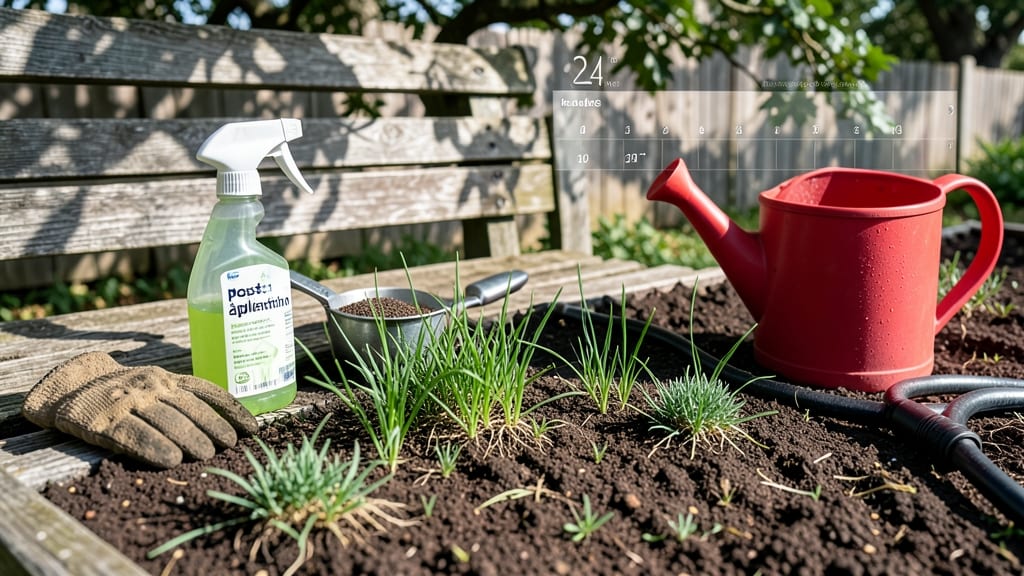
You can plant grass after weed killer once the chemical residue has fully broken down, which typically takes 1-4 weeks for glyphosate-based products and 3-6 months for pre-emergent herbicides. Always verify the product label for exact waiting periods before seeding.
Timing is everything when it comes to planting grass after weed killer. 🌱 Glyphosate-based products, like Roundup, break down relatively quickly, allowing you to plant within weeks, but pre-emergent herbicides linger in the soil much longer, potentially stunting new grass growth.
The key is understanding how each type affects soil chemistry and microbial life. For instance, glyphosate targets active weeds but doesn't persist long-term, while pre-emergent herbicides create a chemical barrier that can last for months.
Before seeding, I always recommend testing your soil's pH and nutrient levels—weed killer can disrupt both. Adding compost or organic matter helps restore balance, giving your new grass the best chance to establish strong roots.
If you're unsure about your product's specific wait time, contact the manufacturer for precise guidelines tailored to your lawn's needs.
💡 In This Article
- Weed Killer Types and Their Safe Planting Windows
- Preparing Soil After Weed Killer for Healthy Grass Growth
Weed killer types and their safe planting windows
Glyphosate-based herbicides like Roundup work by inhibiting a specific enzyme in plants, which disrupts their growth processes. This chemical breaks down in the soil through microbial activity and natural degradation, typically within 1-4 weeks.
The breakdown process depends on factors like soil temperature, moisture, and microbial activity—warmer, moist soils accelerate decomposition. For example, in a 70°F soil environment with adequate moisture, glyphosate residues can degrade in about 2-3 weeks, while cooler conditions may extend this period to 4 weeks. 🌱
Pre-emergent herbicides, on the other hand, create a chemical barrier that prevents weed seeds from germinating. These products often contain active ingredients like pendimethalin or prodiamine, which can persist in the soil for 3-6 months or longer.
The longevity of these chemicals is influenced by soil organic matter content—soils with higher organic content (like compost-rich areas) break down pre-emergents more quickly than sandy soils. This persistence is why pre-emergents require such extended wait times before planting grass, as the chemicals can inhibit seed germination and root development.
Post-emergent herbicides, which target existing weeds, generally fall somewhere between glyphosate and pre-emergents in terms of soil persistence. Products like 2,4-D or dicamba break down faster than pre-emergents but slower than glyphosate, often requiring a 2-6 week waiting period.
The key difference here is how these herbicides interact with soil microbes—some stimulate microbial growth, which can actually help break down residues faster, while others suppress beneficial microbes, prolonging the breakdown process.
What most people don't realize is that the safe planting window isn't just about chemical breakdown—it's also about microbial recovery. Weed killers, especially broad-spectrum ones like glyphosate, can temporarily disrupt soil microbial communities that are essential for nutrient cycling.
This is why adding a microbial inoculant or compost after the recommended wait period can give your new grass a significant growth advantage by restoring beneficial bacteria and fungi in the soil.
For example, if you've used a glyphosate-based product and waited the recommended 2-4 weeks, you might still notice slower grass establishment if the soil microbes haven't fully recovered. This is particularly noticeable in clay soils, where water drainage is poor and microbial activity remains suppressed longer.
Testing your soil's microbial activity with a simple at-home kit can help you determine when conditions are truly optimal for planting.
Always remember that these are general guidelines—specific products may have different recommendations. For instance, organic weed killers like vinegar-based solutions break down almost immediately (within 24-48 hours), making them ideal for use just before planting.
The key is to read the label carefully and consider your local climate conditions when planning your grass planting schedule. 💫