
Watering
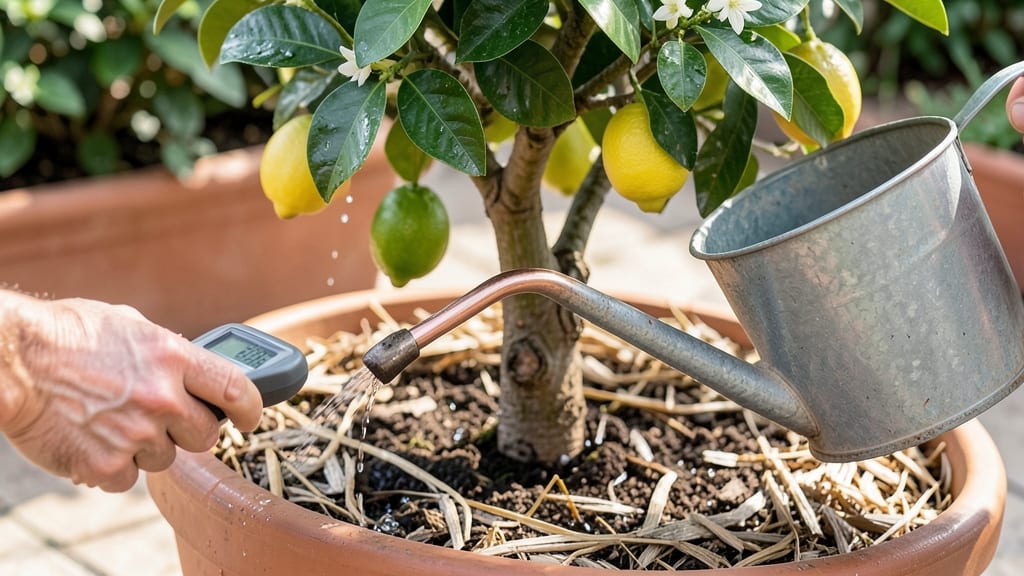
Watering a lime tree 🍋 the right way—how often to water lime tree—is the difference between a thriving citrus tree and one that struggles to survive.
Struggling to keep your lime tree thriving? Overwatering or underwatering can turn your citrus dream into a sad, wilted shrub—here’s the science-backed watering schedule that guarantees healthy growth.
Most gardeners guess, but lime trees actually prefer a deep watering schedule that mimics their natural tropical environment. Too much water causes root rot; too little stunts growth and fruit production.
Below, I’ll break down the exact watering frequency by season, soil type, and pot size—plus how to spot when your lime tree is thirsty or drowning.
The perfect watering schedule for lime trees based on soil dryness
Mastering the watering schedule for your lime tree can mean the difference between a thriving citrus tree and a struggling one. Lime trees need consistent moisture, but overwatering is just as harmful as underwatering.
The key lies in understanding soil dryness and adjusting your approach based on the season. Let’s dive into the science-backed method to keep your lime tree lush and productive.
Before you grab the hose, learn to read your lime tree’s thirst cues. The simplest way to check soil moisture is the finger test—stick your finger about 2-3 inches deep into the soil. If it feels dry, it’s time to water.
For a more precise method, use a soil moisture meter or a simple wooden stick. Both methods help you avoid guesswork and ensure your lime tree gets just the right amount of water.
Step-by-Step Watering Guide for Lime Trees
- 1 Test Soil Dryness: Use the finger test or a moisture meter to check 2-3 inches deep. If dry, proceed to water.
- 2 Water Deeply: Apply 15-20 gallons of water directly to the root zone. Avoid shallow watering, which encourages weak roots.
-
3
Adjust by Season:
- Spring: Every 3-4 days (active growth phase)
- Summer: Every 2-3 days (increase during heatwaves)
- Fall: Every 5-7 days (growth slows down)
- Winter: Every 10-14 days (dormant period)
- 4 Water in the Morning: Always water before 10 AM to reduce evaporation and prevent fungal diseases like root rot.
- 5 Mulch for Retention: Apply 2-3 inches of mulch around the base to retain moisture and regulate soil temperature.
Spring is when your lime tree wakes up from dormancy and enters its growth phase. During these months, aim to water every 3-4 days, ensuring the soil stays consistently moist but not soggy.
Young trees may need more frequent watering, while mature trees can handle slightly longer intervals. Pay attention to rainfall—adjust your schedule if your area gets consistent showers.
Summer brings intense heat and higher evaporation rates, demanding more frequent watering. Increase your schedule to every 2-3 days, and don’t hesitate to water daily during extreme heatwaves.
Always water deeply to encourage strong root development. Avoid wetting the leaves to prevent fungal infections, which thrive in hot, humid conditions.
As temperatures drop in fall, your lime tree’s growth slows, reducing its water needs. Cut back to watering every 5-7 days. Focus on deep watering sessions rather than frequent shallow ones.
This helps the tree prepare for winter without stressing its roots. Monitor soil moisture closely, as cooler weather can make it harder to gauge dryness accurately.
Winter is the dormant season for lime trees, and their water needs drop significantly. Reduce watering to every 10-14 days, or even less if you’re in a dry climate. The goal is to keep the soil slightly moist without encouraging rot.
Overwatering in winter can lead to root diseases, so err on the side of caution and check soil moisture before watering.
Potted lime trees dry out much faster than those planted in the ground. If your lime tree is in a container, check the soil daily during summer and water every 2-3 days.
Larger pots retain moisture longer, but smaller pots may require daily watering in extreme heat. Always ensure pots have drainage holes to prevent waterlogging, which can suffocate the roots.
Watch for signs of overwatering, such as yellowing leaves, leaf drop, or mold growth at the base of the tree. These are red flags that you’re giving your lime tree too much love.
On the flip side, underwatering causes wilting, dry leaf edges, and stunted growth. Adjust your watering schedule based on these visual cues and the season to keep your lime tree thriving year-round.
With this seasonal watering schedule, your lime tree will stay healthy, productive, and full of vibrant fruit. Consistency is key—stick to the routine, and your citrus tree will reward you with bountiful harvests for years to come. Happy gardening! 🍋
Common mistakes that kill lime trees (and how to fix them)
Lime trees are surprisingly delicate when it comes to watering—too much or too little can send your tree into a downward spiral. The most common mistake I see is overwatering, which causes yellow leaves and root rot, while underwatering leads to drooping branches and stunted growth.
Both issues are fixable, but you need to act fast to save your tree.
First, let’s tackle the signs of overwatering. If your lime tree’s leaves turn yellow or brown, especially if they feel mushy, your tree is drowning. Root rot is a silent killer—it starts underground, so by the time you see wilting or leaf drop, it’s often too late.
The good news? You can still recover your tree with proper care.
Overwatering is the #1 killer of lime trees. Test soil moisture by sticking your finger 2-3 inches deep—if it’s damp, wait! In-ground trees need watering every 5-7 days in summer, while potted trees may need daily checks. Always water deeply in the morning to prevent fungal diseases.
To fix an overwatered lime tree, start by reducing watering frequency immediately. Let the top 3-4 inches of soil dry out between waterings. If root rot has set in, you may need to repot the tree in fresh, well-draining soil or dig up the roots to remove affected areas.
For severe cases, a fungicide like copper fungicide can help.
On the flip side, underwatering shows up as drooping leaves and crispy leaf edges. If your tree’s branches feel limp or the leaves curl inward, it’s begging for water.
Unlike overwatering, recovery is quicker—just give your tree a deep soak (15-20 gallons for mature trees) and monitor soil moisture closely.
For a recovery checklist, start by watering deeply once a week for two weeks, then adjust based on soil dryness. Mulch around the base to retain moisture, and avoid watering at night to prevent fungal growth.
If the tree is in a pot, ensure it has drainage holes and use a well-draining citrus mix.
Remember, lime trees thrive on consistency. Whether you’re fixing overwatering or underwatering, the key is to adjust gradually and monitor soil moisture regularly. With the right care, your lime tree will bounce back and reward you with juicy fruit in no time! 🍋