
Pests and Diseases
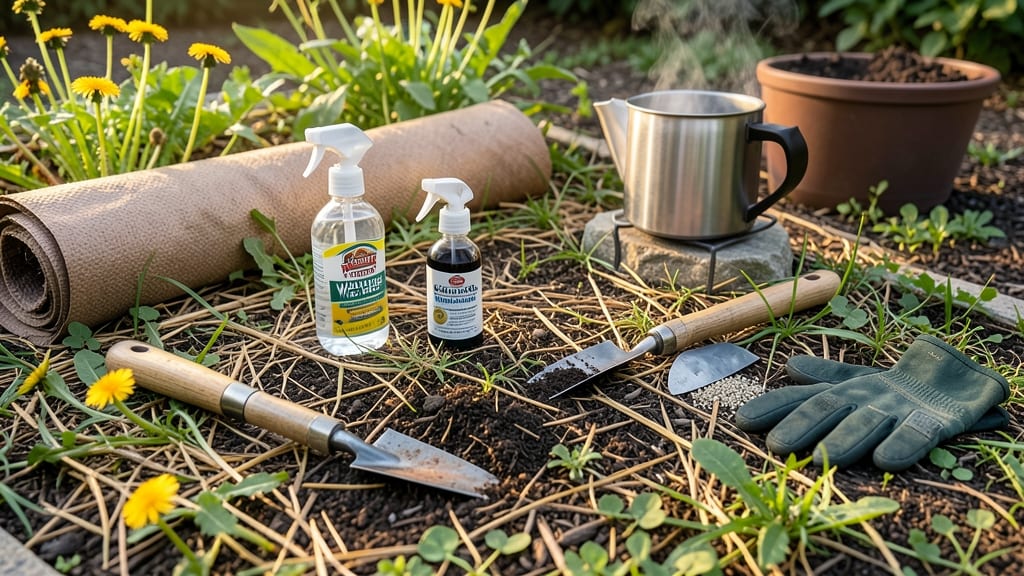
For effective weed control tips, focus first on prevention with thick mulch or landscape fabric, then combat existing weeds using vinegar sprays, corn gluten meal to stop new seeds from sprouting, or targeted herbicides like glyphosate for persistent invaders. Regular maintenance prevents weeds from taking over your garden.
Weeds thrive where they find weak spots—thin soil, bare patches, or overgrown areas. 🌱 The key is creating an environment where they can't compete, whether through physical barriers like mulch or organic preemptive strikes with corn gluten meal.
I've found that combining prevention with targeted treatments saves time in the long run. For example, a 2-inch layer of mulch blocks sunlight while breaking down to nourish your plants, while vinegar sprays work best on young weeds before their roots establish deep.
When chemical solutions become necessary, understanding how they work matters. Glyphosate, for instance, targets deep-rooted weeds by disrupting their growth hormones, while natural options like boiling water or salt focus on immediate cell damage.
The right approach depends on your garden's sensitivity and the weed's resilience—some stubborn varieties need a multi-step attack.
💡 In This Article
- How Organic and Chemical Weed Killers Work Differently
- Best Long-Term Weed Prevention Strategies for Gardens
How organic and chemical weed killers work differently
Organic weed killers like vinegar and salt work by dehydrating plant cells through osmosis. When you spray undiluted white vinegar (5% acetic acid) on weeds, it disrupts their cell membranes, causing them to collapse within 24-48 hours.
The acetic acid breaks down chlorophyll, turning leaves brown and killing the plant. For best results, apply on sunny days when temperatures are above 70°F, as heat enhances evaporation and speeds up the process.
Boiling water achieves similar results by scalding plant tissues, but it only works on small weeds with shallow roots.
Chemical herbicides like glyphosate take a different approach by mimicking plant hormones. Glyphosate (the active ingredient in Roundup) interferes with the shikimic acid pathway, which plants need to synthesize essential amino acids. Without these building blocks, weeds can't grow new cells, leading to death within 1-3 weeks.
Unlike vinegar, glyphosate is systemic—it moves through the plant's vascular system, killing roots and underground stems. This makes it far more effective for deep-rooted weeds like dandelions or quackgrass, which organic methods often miss. However, glyphosate requires precise application to avoid harming nearby plants.
The trade-off between organic and chemical methods comes down to speed and selectivity. Organic options are safer for edible gardens and pets but require repeated applications, especially for tough weeds. Chemical herbicides deliver faster, broader results but carry environmental risks, like soil contamination or harm to beneficial insects.
For example, vinegar can kill desirable plants if it drifts, while glyphosate may linger in the soil for months. Always follow label instructions when using chemicals, and consider spot-treating weeds rather than broadcasting herbicides.
Another key difference lies in how each method affects soil health. Organic weed killers like salt or corn gluten meal break down naturally, enriching the soil with nutrients over time.
Salt, however, can harm soil structure and microbial life if overused, while corn gluten meal suppresses weed seeds by starving them of nitrogen. Chemical herbicides, on the other hand, can disrupt soil microbes and beneficial fungi, potentially reducing your garden's long-term fertility.
This is why many gardeners opt for a hybrid approach—using organic prevention (mulch, dense planting) and chemical treatments only for the most stubborn invaders.
For targeted control, consider the weed's life cycle. Annual weeds like crabgrass respond well to pre-emergent herbicides (e.g., corn gluten meal), while perennial weeds like clover need post-emergent treatments. Glyphosate works best on actively growing weeds, so time your application when weeds are young and actively photosynthesizing.
In contrast, vinegar-based sprays are most effective on small, leafy weeds before they develop thick stems or deep roots. Understanding these nuances helps you choose the right tool for the job without wasting effort or resources.
Pro tip: Test any weed killer on a small, inconspicuous area first. Some plants, like clover, are more resilient than others, and even organic methods can cause unintended damage. For example, a 10% vinegar solution might kill dandelions but could also harm young vegetable seedlings nearby.
Always prioritize prevention—healthy, dense plants leave little room for weeds to establish in the first place. 🌱