
Advice
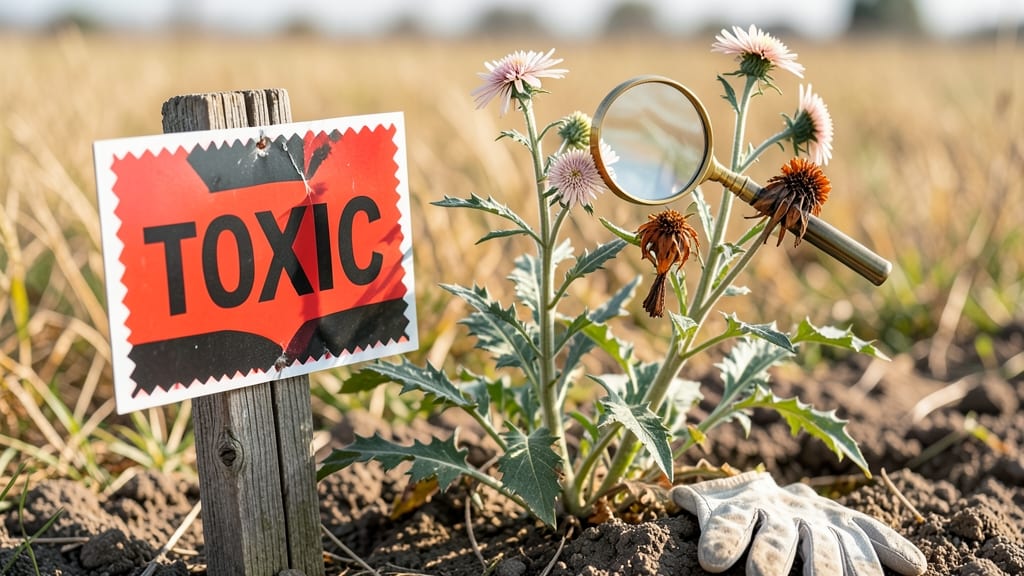
Yes, American burnweed is poisonous because it contains high levels of pyrrolizidine alkaloids (PAs), which can damage your liver and cause serious health problems if you touch it or eat any part of the plant. Always avoid skin contact and never consume its leaves or seeds.
American burnweed's toxicity comes from its pyrrolizidine alkaloids (PAs), which are potent liver toxins. These compounds can cause liver failure, especially with repeated exposure, and even small amounts can be dangerous. 🔥 The plant's sap can also irritate skin, leading to rashes or blisters.
If you suspect accidental ingestion, seek medical help immediately—symptoms like nausea or jaundice may appear within hours.
This plant is particularly dangerous for livestock, as they may graze on it unknowingly. Even dried leaves retain their toxicity, so proper disposal is critical. If you encounter it in your garden, wear gloves and remove it completely, including the roots, to prevent regrowth.
💡 In This Article
- Toxicity of American Burnweed: Pyrrolizidine Alkaloids Explained
- Identifying and Safely Removing American Burnweed from Gardens
Toxicity of american burnweed: pyrrolizidine alkaloids explained
American burnweed's danger lies in its pyrrolizidine alkaloids (PAs), a group of over 600 naturally occurring compounds that specifically target liver cells. These chemicals work by binding to DNA and RNA, disrupting cellular functions that produce proteins essential for liver detoxification.
The most toxic forms in burnweed include retrorsine and senkirkine, which can cause irreversible liver damage even in small doses—studies show that consuming just 0.1% of body weight in dried plant material could be lethal to livestock.
The toxicity varies dramatically by plant part: seeds contain the highest PA concentrations (up to 4% dry weight), while leaves and stems have moderate levels (0.5-1.5% dry weight). What makes this particularly insidious is that PAs aren't destroyed by drying or cooking—heat processing only concentrates them.
For comparison, the toxic dose for humans is estimated at 140 mg of PAs, which could be ingested by eating just 7 grams of seeds (about two teaspoons). 🔥 The liver damage progresses silently at first, with symptoms like fatigue and abdominal pain appearing only after significant cellular destruction has occurred.
Long-term exposure poses even greater risks. Chronic PA ingestion can lead to veno-occlusive disease, where liver veins become blocked by scar tissue, severely restricting blood flow. In livestock, this has been documented as a leading cause of sudden death in grazing animals.
The plant's toxicity isn't limited to ingestion—skin contact with fresh sap can cause severe dermatitis in sensitive individuals, with blistering appearing within 6-24 hours of exposure. This makes it particularly dangerous for gardeners who might handle the plant without realizing its hazards.
What most people don't realize is how these alkaloids work at the molecular level. PAs undergo metabolic activation in the liver, where enzymes convert them into reactive intermediates called dehydroalkaloids. These compounds covalently bind to cellular macromolecules, triggering a cascade of oxidative stress that leads to cell death.
The liver's attempt to detoxify these compounds actually accelerates the damage—a classic example of a poison that "fights fire with fire" by exploiting the body's own biochemical pathways. 💫
To put this in perspective, consider that some PA-containing plants have been used historically in traditional medicines (like comfrey), but modern research clearly demonstrates their cancer risks. American burnweed represents an extreme case where even casual contact could have serious consequences.
The plant's ability to thrive in disturbed soils—like garden beds or roadsides—means it's often encountered without warning, making awareness and proper identification critical safety measures.
If you suspect exposure, seek medical attention immediately—early intervention can prevent permanent liver damage. Symptoms to watch for include unexplained fatigue, yellowing of the skin (jaundice), or sudden abdominal swelling. In livestock, signs may include lethargy, loss of appetite, or sudden death without obvious cause.
The plant's toxicity serves as a stark reminder of nature's chemical defenses and why proper plant identification is essential for both gardeners and wildlife managers.