
How To
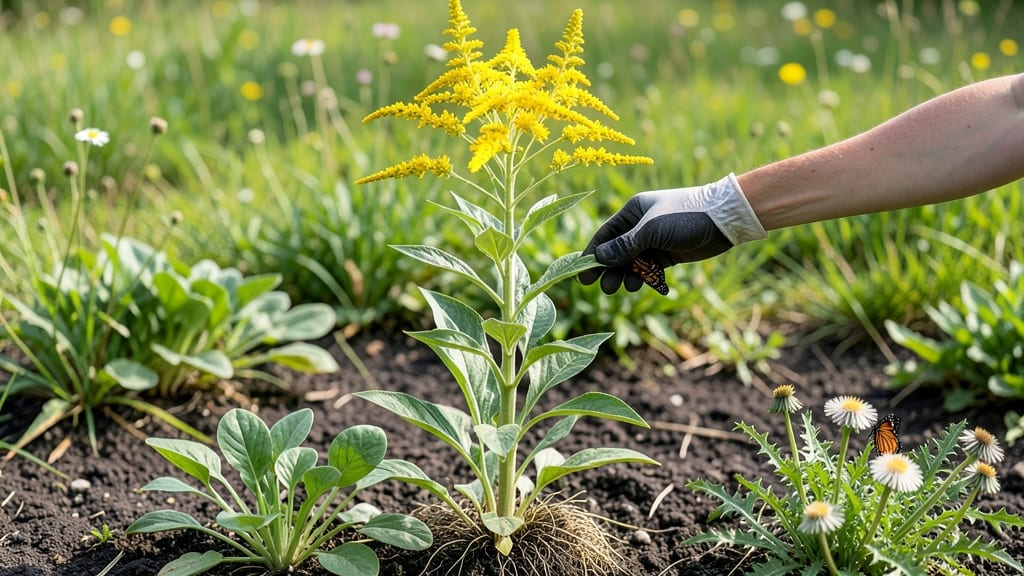
Goldenrod isn't a weed—it's a beneficial wildflower that thrives in poor soil and supports pollinators, despite its rapid spread and late-summer blooms. Its reputation as a nuisance comes from being confused with ragweed, not its own invasive tendencies.
This wildflower actually plays a crucial ecological role by attracting bees, butterflies, and birds. 🔥 Its bright yellow plumes create a late-summer food source when many garden plants have finished blooming.
The confusion with ragweed—another late-summer bloomer—is what fuels the "weed" stigma, though goldenrod itself doesn't produce allergens. In fact, many gardeners intentionally plant it to boost biodiversity and improve soil health.
If you're dealing with goldenrod in your garden, you can manage its spread through strategic pruning or transplantation rather than eradication. The key is understanding its value—it's not a plant to fear, but one to appreciate for its hardiness and ecological benefits.
💡 In This Article
- Why Goldenrod Gets a Bad Reputation as a Weed
- How to Manage Goldenrod in Gardens Without Eradicating It
Why goldenrod gets a bad reputation as a weed
The goldenrod's weed stigma stems from a classic case of mistaken identity. While it spreads aggressively in late summer, its rapid growth is actually a survival strategy for poor soil conditions. Unlike true weeds, goldenrod doesn't crowd out native plants—its deep roots improve soil structure and prevent erosion.
The confusion arises because it blooms around the same time as ragweed, which produces airborne allergens, while goldenrod's pollen is heavy and stays on flower heads, making it harmless to humans.
Botanically, goldenrod belongs to the Asteraceae family, producing 50-150 tiny flowers per stem that create those iconic golden plumes. Each flower head attracts 10-20 bees during its 4-6 week blooming period, making it one of nature's most efficient pollinator magnets.
The plant's height (2-5 feet) and bright color make it visually dominant, but its ecological contributions far outweigh any perceived nuisance value.
What sets goldenrod apart from true weeds is its ecological role. Unlike invasive plants that disrupt ecosystems, goldenrod serves as a late-season food source when most garden plants have finished blooming. Its seeds provide winter sustenance for birds, while its nectar supports monarch butterflies during migration.
The plant's ability to thrive in compacted or nutrient-poor soil makes it valuable for restoring degraded areas.
Culturally, the weed reputation persists because goldenrod's spread can overwhelm small gardens. However, its growth habit differs from aggressive invaders—it doesn't produce underground runners or seeds that remain viable for years.
Instead, it relies on wind-dispersed seeds that germinate quickly but don't persist in the soil. This makes it more of a temporary colonizer than a permanent nuisance.
Consider these key distinctions between goldenrod and true weeds:
- Root system: Goldenrod has deep taproots that improve soil, while weeds often develop shallow, spreading roots
- Allergenic impact: Goldenrod is pollen-safe; ragweed (the true allergen) blooms simultaneously
- Ecological value: Goldenrod supports biodiversity; most weeds reduce plant diversity
- Growth cycle: Goldenrod's seeds don't persist long-term in soil
The plant's bright yellow blooms create a dramatic late-summer display that many gardeners intentionally cultivate. Its ability to thrive in full sun to partial shade and drought conditions makes it an excellent choice for native plant gardens seeking to support local ecosystems. 🌻