
Planting
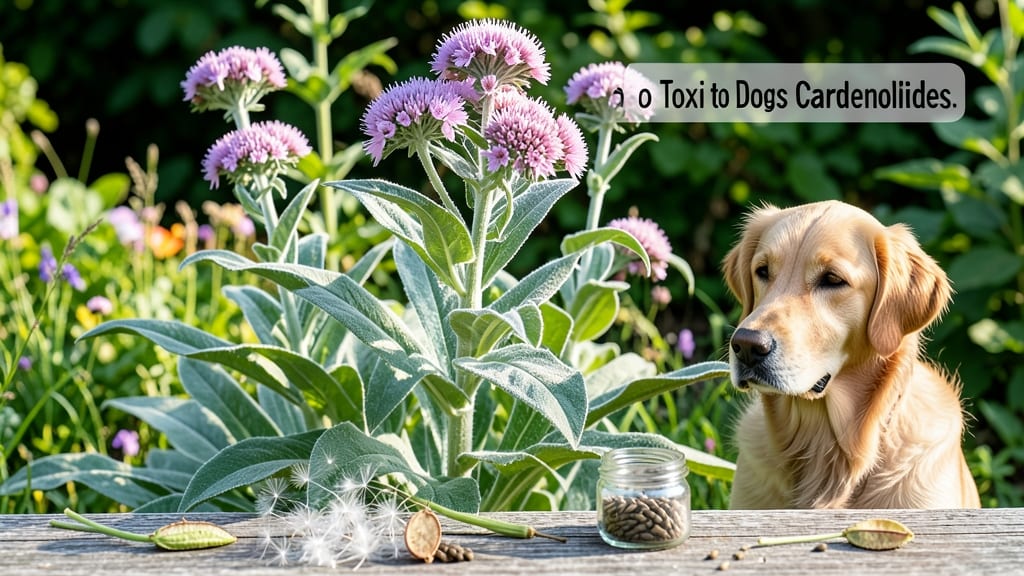
Milkweed plants are poisonous to dogs, containing cardiac glycosides like ouabain that can cause vomiting, diarrhea, and abnormal heart rhythms if ingested. Even small amounts may trigger severe reactions, requiring immediate veterinary care.
Milkweed's toxicity stems from its natural defenses—cardiac glycosides disrupt your dog's heart rhythm by interfering with sodium-potassium pumps in cells, while the milky latex sap can irritate their mouth and digestive tract. 🌿 Even small nibbles on leaves or stems may cause drooling, lethargy, or weakness, with seeds being particularly dangerous due to higher concentrations of toxins.
Some dogs with pre-existing heart conditions are at even greater risk, making milkweed a serious hazard in gardens where curious pups roam.
If you're concerned about creating a dog-friendly garden, consider alternatives like bee balm or coneflowers that attract pollinators without the risks. Always supervise outdoor time and watch for signs like excessive drooling or vomiting—these could indicate plant ingestion. 🐾
💡 In This Article
- Toxic Components in Milkweed and Their Effects on Canine Health
- Safe Garden Alternatives to Milkweed for Dog Owners
Toxic components in milkweed and their effects on canine health
The milkweed plant's toxicity primarily comes from cardiac glycosides—natural chemicals like ouabain and uscharin that disrupt your dog's heart function.
These compounds interfere with the sodium-potassium pumps in heart cells, causing irregular rhythms and potentially fatal arrhythmias. 🔥 Even a single leaf can contain enough toxins to trigger symptoms, with seeds being the most dangerous due to their concentrated glycoside levels.
Milkweed also produces a milky latex sap that contains resins and alkaloids, which irritate your dog's mouth, throat, and digestive tract upon contact. This sap causes excessive drooling, pawing at the mouth, and vomiting within 30 minutes to 2 hours of ingestion.
The plant's fibrous leaves add physical irritation, making symptoms worse. Smaller dogs or those with pre-existing heart conditions are particularly vulnerable, as their systems can't metabolize these toxins as efficiently.
Symptoms progress based on the amount consumed: mild cases show vomiting and lethargy, while severe poisoning leads to weakness, collapse, and even cardiac arrest.
The seeds contain the highest toxin concentration, with just 1-2 seeds potentially causing life-threatening reactions. 💛 What most owners don't realize is that even dried milkweed pods (common in gardens) retain their toxicity for months, posing year-round risks.
Diagnosis typically involves blood tests to measure electrolyte imbalances caused by the glycosides. Veterinary treatment may include activated charcoal to bind toxins, IV fluids to flush the system, and medications to stabilize heart rhythms.
The key factor is speed—symptoms can escalate rapidly, especially in breeds prone to heart issues like Boxers or Dachshunds.
Interestingly, milkweed's toxicity evolved as a defense mechanism against herbivores, including deer and rabbits.
The same cardiac glycosides that harm dogs actually repel most wildlife, making milkweed a surprisingly effective survival strategy for the plant. 🌱 This natural defense explains why even small exposures can have such dramatic effects on canine physiology.
If you suspect your dog has ingested milkweed, monitor for these red flags: excessive drooling, vomiting, weakness, or abnormal heart rate. Immediate vet care is critical—these symptoms can progress to cardiac arrest within 6-12 hours in severe cases.
Prevention is the best approach, especially in gardens where dogs roam freely.