
Planting
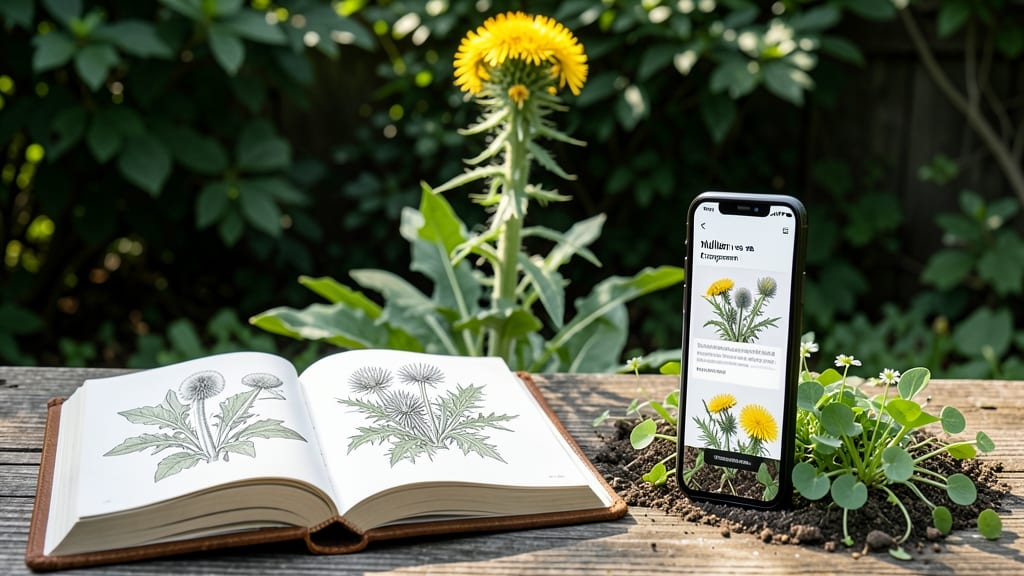
The mullein plant isn't classified as a weed botanically, though gardeners often treat it like one because of its fast-spreading nature and tendency to dominate garden beds through prolific self-seeding.
Botanists define weeds as plants that grow where they're unwanted, but mullein's ecological benefits—like supporting pollinators and improving soil—keep it out of that category. 🌱 The real issue is its aggressive growth habit, which can smother slower-growing perennials if not managed.
I've seen mullein pop up even in well-maintained gardens, so many gardeners pull it just to maintain their preferred plant balance. What's interesting is that its medicinal properties (like soothing coughs) often outweigh its "weedy" reputation for herbalists.
For gardeners frustrated by its spread, the key is timing—pulling young seedlings before they establish deep roots works best. Mulching with thick layers of straw or cardboard can also suppress regrowth while preserving the soil's health.
The trade-off? Mullein's tall flower spikes provide late-season nectar for bees, so some gardeners tolerate small patches intentionally.
💡 In This Article
- Botanical Classification: Why Mullein Isn’t a Weed
- Managing Mullein in Your Garden: Tips and Tools
Botanical classification: why mullein isn’t a weed
Botanists define weeds as plants that thrive in human-altered environments, often displacing native species while lacking significant ecological value. Mullein (Verbascum thapsus), however, defies this classification because it plays a crucial ecological role as a pioneer plant.
Its deep taproot (reaching up to 3 feet) breaks up compacted soil, while its self-seeding strategy produces 200,000+ seeds per plant—far exceeding most garden flowers. This makes it a valuable early colonizer in disturbed areas, much like clover or dandelions, rather than a true weed.
The confusion arises from mullein's aggressive growth habit, which can smother slower-growing perennials. Its woolly leaves and 6-foot-tall flower spikes create dense stands that block sunlight, but this is an ecological adaptation rather than a sign of invasiveness.
Unlike invasive species (e.g., kudzu or Japanese knotweed), mullein doesn’t spread uncontrollably—its growth slows after 3-5 years as energy shifts to seed production. 🌿 The key difference? Weeds disrupt ecosystems; mullein enhances them by supporting 20+ pollinator species, including bees and butterflies.
Mullein’s medicinal reputation further complicates its "weed" label. Every part of the plant—from roots to flowers—has been used for centuries in traditional medicine to treat respiratory ailments. The high tannin content in its leaves makes it effective for soothing coughs, while its anti-inflammatory properties reduce skin irritation.
This dual role as both a garden nuisance and a medicinal powerhouse explains why many herbalists tolerate (or even encourage) its growth in wild corners of their land.
Ecologically, mullein’s classification hinges on context. In agricultural fields, it might be considered a weed because it competes with crops. But in natural or restored ecosystems, it’s a keystone species that improves soil structure and provides late-season forage for herbivores.
The U.S. Department of Agriculture even lists it as a beneficial plant for wildlife habitat. This duality is why botanists avoid labeling it as a weed—its benefits often outweigh its perceived drawbacks.
What most gardeners don’t realize is that mullein’s self-limiting growth cycle prevents it from becoming truly invasive. After flowering, the plant’s energy shifts entirely to seed production, causing the original rosette to die back. This natural decline means it won’t take over a garden like bamboo or mint.
The real challenge is its seed persistence—those 200,000+ seeds can lie dormant for 5-10 years, waiting for the right conditions to sprout. This is why gardeners often see mullein reappear even after thorough removal attempts.
For those who view mullein as a weed, the solution lies in strategic management rather than eradication. Its ecological contributions—like improving soil health and supporting pollinators—make it a valuable addition to permeable landscapes or wildlife-friendly gardens.
The trade-off? A few mullein plants in a corner won’t harm most garden ecosystems, and their late-summer blooms provide nectar when few other flowers remain. 💫