
Orchid Care
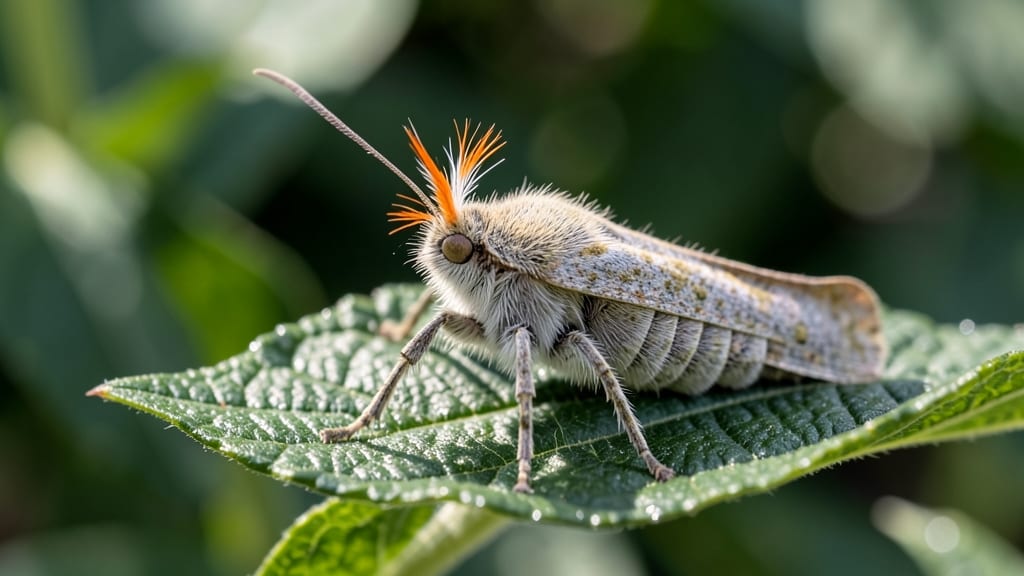
Deciding whether the milkweed tussock moth is a friend or foe depends on the stage: its caterpillars devour milkweed leaves, stripping plants of their foliage, while adult moths contribute to pollination. Their larvae also compete with monarchs for food, creating a dilemma for gardeners balancing monarch conservation with plant health.
This dual nature makes the milkweed tussock moth a tricky pest for gardeners. 🌿 The caterpillars, known for their fuzzy appearance, can defoliate entire milkweed plants in just a few weeks, leaving behind skeletonized leaves that struggle to recover.
Their rapid growth during late summer and fall coincides with monarch caterpillars' peak feeding time, creating direct competition for the same food source. While adult moths don't harm plants, their presence can signal an impending caterpillar outbreak if left unchecked.
What complicates matters is that milkweed tussock moths thrive in the same conditions that support monarchs—warm climates and undisturbed milkweed patches. This ecological overlap means gardeners must weigh the benefits of maintaining monarch habitats against the potential damage to their milkweed plants.
The key is monitoring early signs of caterpillar activity and implementing targeted control methods before populations explode.
💡 In This Article
- How Milkweed Tussock Moth Larvae Damage Plants
- Natural Control Methods for Milkweed Tussock Moth Infestations
How milkweed tussock moth larvae damage plants
The milkweed tussock moth's caterpillars are voracious feeders that employ a distinctive feeding strategy called "skeletonization." Unlike many caterpillars that consume entire leaves, these larvae meticulously strip away only the softer inner tissue while leaving the tougher leaf veins intact.
This creates a lace-like pattern that weakens the plant's ability to photosynthesize effectively. A single caterpillar can skeletonize 3-5 milkweed leaves per day, and with populations reaching 50-100 caterpillars per plant during peak outbreaks, entire milkweed patches can be defoliated in just 2-3 weeks.
The damage escalates because these caterpillars are most active during late summer to early fall—the same critical period when monarch caterpillars are also feeding. Their rapid growth cycle (completing development in 30-45 days from egg to adult) allows multiple generations to emerge each season.
The larvae's fuzzy appearance isn't just for show—it's an adaptation that deters predators while they're consuming milkweed's toxic sap, which contains cardiac glycosides that would normally deter most herbivores. 🌿
What makes them particularly troublesome is their ability to completely strip plants before pupating. Unlike some pests that leave behind some foliage, tussock moth caterpillars often leave milkweed plants looking like they've been through a leaf blower, with only bare stems remaining.
This level of defoliation stresses the plant, reducing its ability to produce seed pods—a critical food source for monarchs during their migration. The damage is compounded by the fact that milkweed plants require at least 6-8 weeks of regrowth to recover fully before they can support monarch eggs.
Another concerning aspect is their impact on milkweed's secondary compounds. When caterpillars feed heavily, they alter the plant's chemical composition, potentially reducing the very toxins that make milkweed unpalatable to other pests. This creates a feedback loop where milkweed becomes more vulnerable to additional herbivory after a tussock moth infestation.
The larvae's feeding patterns also create entry points for fungal infections, further compromising plant health during the critical fall growing season.
Seasonal timing plays a crucial role in their destructiveness. Eggs are typically laid in June-July, with caterpillars hatching and becoming active feeders by mid-to-late July. This coincides with monarch caterpillars' peak feeding period, creating direct competition for food resources.
The overlap is particularly problematic because monarch caterpillars are more sensitive to food shortages due to their slower growth rate (2-3 weeks to pupate compared to tussock moths' 3-4 weeks). When milkweed resources become scarce, monarch caterpillars often fail to reach maturity, reducing the next generation of butterflies.
The most alarming aspect is how quickly populations can explode. A single female can lay 100-200 eggs, and with multiple generations per season, infestations can grow exponentially.
Unlike some pests that have natural predators, tussock moth caterpillars are relatively well-protected by their fuzzy appearance and toxic sap consumption, making them less vulnerable to typical biological controls. This combination of rapid reproduction, aggressive feeding, and seasonal timing makes them one of the most challenging pests for milkweed gardeners.