
Pests and Diseases
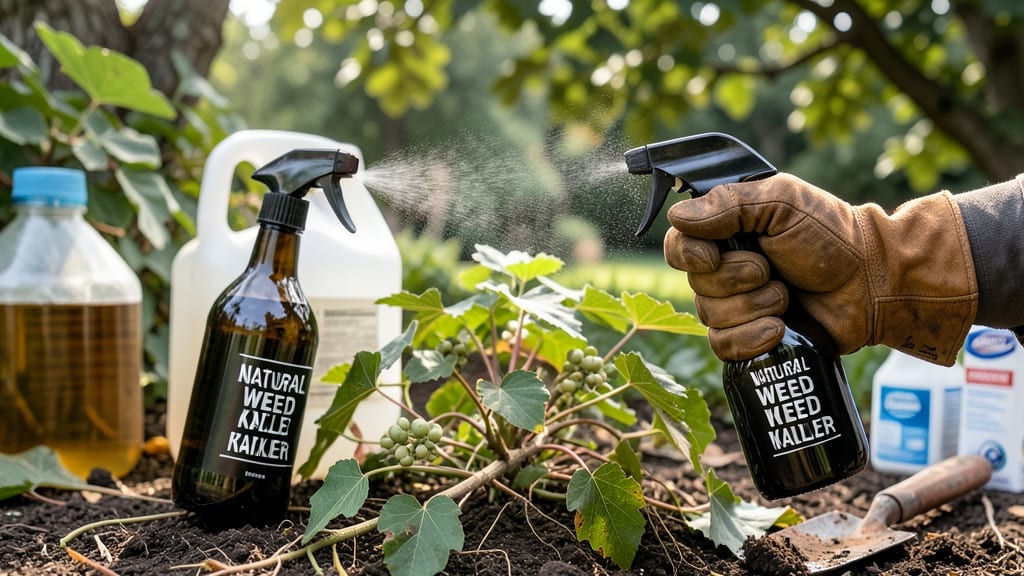
Creating a natural weed killer for poison ivy requires mixing white vinegar (10-20% acetic acid) with dish soap, which disrupts plant cell walls and suffocates roots—eliminating the foliage in 24 hours without harsh chemicals. Reapply after rain or new growth appears for complete removal.
This homemade solution targets poison ivy's broadleaf structure using two key ingredients: the acetic acid in vinegar breaks down the plant's protective wax layer, while dish soap acts as a surfactant to help the mixture penetrate deeper. 🌿 The combination is particularly effective because poison ivy thrives in disturbed soil, making it vulnerable to organic acid-based treatments.
Unlike commercial herbicides, this method avoids synthetic chemicals that can harm beneficial plants or soil microbes.
For best results, apply the mixture on a dry, sunny day when temperatures are above 60°F—this ensures the vinegar's acidity works most efficiently. Always wear gloves and protective clothing, as poison ivy's oils can cause skin irritation even when the plant is dying.
The dish soap concentration should be minimal (1 teaspoon per gallon), just enough to create surface tension without harming surrounding vegetation.
💡 In This Article
- How White Vinegar and Dish Soap Eliminate Poison Ivy
- Step-by-Step Application Guide for Fast Poison Ivy Removal
How white vinegar and dish soap eliminate poison ivy
The acetic acid in white vinegar (typically 5-8% for household varieties) acts as a natural herbicide by disrupting the cell membranes of poison ivy plants. When sprayed directly on leaves, the acid penetrates the waxy cuticle layer, causing cellular dehydration and protein denaturation.
This process is similar to how commercial herbicides like glyphosate work, but without the synthetic chemicals. The 10-20% concentration vinegar recommended for tough weeds contains enough acid to effectively kill the plant's foliage within 24-48 hours, depending on the plant's size.
Dish soap plays a crucial role by acting as a surfactant, reducing the surface tension of the vinegar solution. This allows the mixture to spread more evenly across the leaves and stems, enhancing penetration through tiny openings called stomata.
Without the soap, vinegar would bead up on the waxy surface of poison ivy leaves, reducing its effectiveness. The soap concentration should be minimal—just 1 teaspoon per gallon—to avoid harming beneficial plants while still improving the vinegar's contact with the target plant's tissues. 🌿
Poison ivy's broadleaf structure makes it particularly vulnerable to organic acid treatments. Unlike grasses, which have tougher cell walls, poison ivy's leaves absorb vinegar readily, accelerating the plant's decline. The roots, however, require repeated exposure to the solution to fully die back.
This is why reapplication after rain or new growth is essential. Commercial herbicides often contain additional ingredients to translocate through the plant's vascular system, but vinegar's mechanism is more direct—it disrupts the plant's ability to photosynthesize and maintain cellular integrity.
One advantage of this natural approach is its selectivity. While vinegar can harm other plants, especially those with thin leaves or shallow roots, poison ivy's resilience makes it the primary target. The acetic acid breaks down quickly in the soil, minimizing long-term environmental impact.
In contrast, synthetic herbicides can linger in the soil for months, potentially affecting future plantings. For gardeners concerned about chemical residues, this vinegar-soap combination offers a safer alternative for eliminating poison ivy without compromising soil health.
Temperature also influences the effectiveness of this treatment. The vinegar solution works best when applied on days with temperatures above 60°F, as warmer conditions enhance the acetic acid's ability to penetrate plant tissues.
Early morning or late evening applications are ideal because they reduce evaporation and allow the solution to remain on the leaves longer. This timing also minimizes the risk of skin exposure to the plant's urushiol oil, which can cause allergic reactions even when the plant is dying.
Always wear gloves and protective clothing to prevent accidental contact with the plant or the vinegar-soap mixture.