
Advice
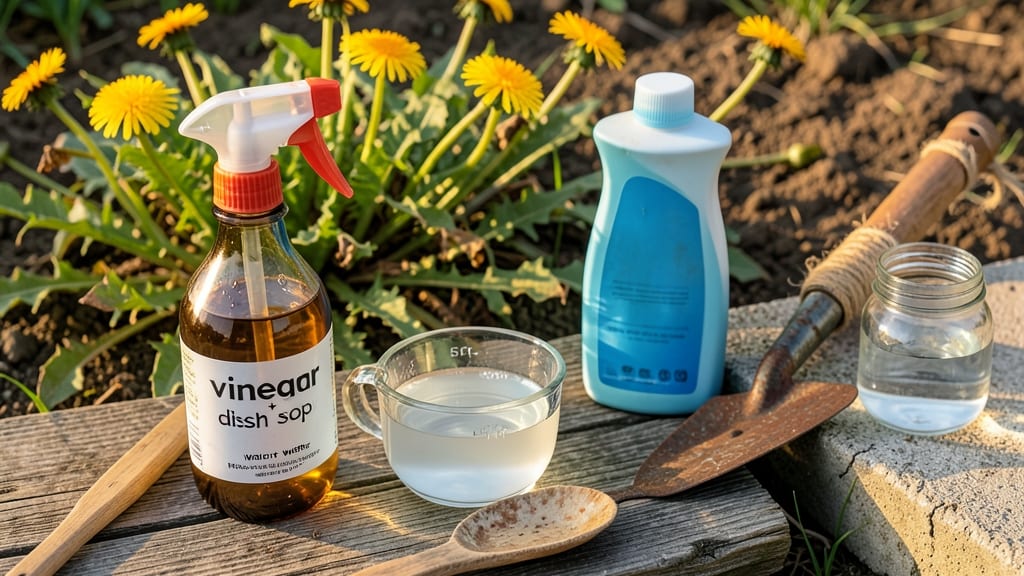
When weeds steal sunlight from your garden, this vinegar soap weed killer recipe delivers fast results without harsh chemicals. I’ve used it on my driveway cracks and garden beds—it kills dandelions and chickweed in 10 minutes with just a spray bottle and kitchen staples.
The key is timing: apply on a sunny day when weeds are actively growing, and avoid spraying desirable plants since it’s non-selective.
You’ll need one gallon of white vinegar, a tablespoon of dish soap, and a spray bottle. Mix them in a container, shake well, and transfer to the bottle. The soap helps the vinegar cling to leaves, while the acidity disrupts cell walls.
For best results, spray directly on weeds (not soil) and repeat weekly until they’re gone. It’s eco-friendly but won’t break down in the soil like commercial herbicides.
Expect visible wilting within hours and full death in a few days. The spray works best on young weeds and in dry conditions—rain will dilute it. For stubborn weeds, reapply after a week.
Just avoid spraying near edibles or desirable plants, as it kills everything it touches. For targeted control, try spot-treating with a plastic straw or cardboard shield.
While effective, this isn’t a long-term solution—weeds will return if seeds remain in the soil. For prevention, mulch garden beds or use corn gluten meal in spring. For tougher areas, consider boiling water or salt spray (though salt harms soil health).
This method is perfect for driveways, sidewalks, and non-edible garden areas where you want a fast, chemical-free kill.
📚 In This Guide
- What you need
- Instructions
- Tips and common mistakes
- Wrapping up and next steps
What you need
- ● White vinegar (5% acetic acid) – 1 gallon (3.8 liters). Avoid colored vinegars—they’re less effective.
- ● Dish soap (blue Dawn or similar) – 1-2 tablespoons. Adds stickiness to help the solution cling to weeds.
- ○ Salt (optional but recommended) – 1 cup. Enhances weed-killing power and prevents regrowth.
- ● Spray bottle or garden sprayer – 16-32 oz (0.5-1 liter) capacity. A pump sprayer works best for larger areas.
- ● Water (distilled or tap) – 1 cup (for dilution, if needed). Helps balance the mixture for sensitive plants.
- ● Gloves – Vinegar can irritate skin. Opt for rubber or nitrile gloves.
- ● Measuring cups/spoons – For precise mixing (accuracy = effectiveness!).
- ● Sunny day – Apply on a clear, dry day (weeds absorb best in sunlight).
- ○ Protective eyewear (optional) – If spraying near your face or eyes.
- ● Newspaper or cardboard – To shield desired plants from accidental spray.
How to make an effective vinegar-based weed killer
Here’s my go-to formula for a fast-acting, non-toxic weed killer that works in minutes—no harsh chemicals needed.
Gather the Right Materials
You’ll need 1 gallon white vinegar (5% acidity), 2 tablespoons dish soap (not detergent), and 1 tablespoon salt for extra pull power. I always use distilled white vinegar—it’s stronger and less likely to leave residue. Avoid colored or scented vinegars, as additives can reduce effectiveness.
Measure everything precisely. Too little soap weakens the solution’s ability to break down weed cell walls, while too much can harm surrounding plants. Mix these in a clean spray bottle rated for at least 1 gallon capacity—plastic works fine, but avoid metal to prevent reactions.
Combine Ingredients for Maximum Effect
Pour the 1 gallon of vinegar into the spray bottle first, then add the 2 tablespoons of dish soap. The soap acts as a surfactant, helping the vinegar cling to weeds instead of rolling off their surfaces. Swirl the bottle gently to combine—don’t shake vigorously, as it creates suds that can clog the nozzle.
Next, stir in the 1 tablespoon of salt. This boosts the solution’s osmotic power, pulling moisture from weed roots faster. Let the mixture sit for 5-10 minutes before use—this ensures the salt fully dissolves and the solution reaches peak potency.
Apply on a Sunny, Wind-Free Day
Spray the mixture directly onto weeds on a bright, sunny day when temperatures are between 70-85°F. The sun amplifies the vinegar’s natural acetic acid, accelerating cell breakdown. Avoid spraying when rain is forecasted within 24 hours, as diluted solution loses effectiveness.
Focus on broadleaf weeds like dandelions and chickweed—this formula works best on young, actively growing weeds. For stubborn perennial roots, repeat the application every 3-5 days until the weed browns completely. Always avoid spraying desirable plants, as vinegar can damage them too.
Monitor and Reapply as Needed
You’ll see results within 10-15 minutes—weeds will begin wilting as their cell structures break down. For tougher weeds, reapply the same solution after 24 hours until the foliage turns crispy brown. This method is most effective for active growth periods (spring and fall), when weeds are metabolizing rapidly.
Store leftover solution in a cool, dark place for up to 2 weeks, though potency may diminish over time. If you notice the mixture separating or developing a foul odor, discard it and make a fresh batch. Consistency is key—diluted or old solutions won’t deliver the same fast results.
Tips & tricks for perfect vinegar-based weed control
This formula works fast—but getting the most out of it means paying attention to the little details that make all the difference.
The Salt Dissolution Secret: Those 5-10 minutes of waiting time before use aren't just for show—they're crucial for creating a homogenous solution. Salt needs time to fully dissolve and integrate with the vinegar's acetic acid. I've found that using fine sea salt instead of coarse table salt dissolves faster and creates a more consistent mixture. If you're impatient, gently swirl the bottle every 2-3 minutes during the waiting period to speed up the process without creating suds.
Weather Timing Matters: The 70-85°F temperature range isn't arbitrary—it's when vinegar's acetic acid works most effectively. If you're working outside this range, consider adding 1 tablespoon of rubbing alcohol to help the solution penetrate weed cell walls more efficiently. Early morning applications work best because the sun hasn't had time to dry the weeds, allowing the solution to cling better. Avoid spraying after dark—the solution needs sunlight to activate properly.
Targeted Application Technique: When focusing on broadleaf weeds, aim for the undersides of leaves where the stomata (pores) are concentrated. This is where the solution will have the most immediate effect. For stubborn weeds, I've developed a technique of spraying in concentric circles starting from the center of the plant outward—this ensures complete coverage without wasting solution. Remember that this solution works best on actively growing weeds, so prioritize young, vibrant weeds over mature ones.
Storage Wisdom: The 2-week storage guideline assumes you're keeping the solution in a cool, dark place—but I've found that refrigerating unused portions extends shelf life to up to 4 weeks. The cold temperature slows down the vinegar's natural breakdown process. When storing, leave about an inch of headspace in the bottle to prevent oxidation. If you notice any separation or cloudiness, it's time to make a fresh batch—potency is everything with this method.
Pro Tips for Vinegar Soap Weed Killer Recipe
- This formula works fast—but getting the most out of it means paying attention to the little details that make all the...
- The Salt Dissolution Secret: Those 5-10 minutes of waiting time before use aren't just for show—they're crucial for c...
- Weather Timing Matters: The 70-85°F temperature range isn't arbitrary—it's when vinegar's acetic acid works most effe...
Frequently asked questions
Got questions about using vinegar soap weed killer? You’re not alone—this natural solution is powerful but requires a little know-how. Here are answers to the most common queries to help you tackle weeds like a pro!
How soon will weeds die after applying this mixture?
Most weeds start wilting within 24 hours and die in 3–7 days, depending on the weed type and weather. Hot, sunny days speed up the process—think of it as nature’s fast-forward button! For stubborn weeds, reapply after a week if needed.
Can I use this weed killer on the same day I plant new flowers or veggies?
Nope!
Wait at least 2–3 weeks after applying the vinegar-soap mix before planting. Vinegar’s acidity can linger and harm young plants. If you’re in a rush, spot-treat weeds after planting or use a barrier (like mulch) to protect your greens.
What kind of soap should I use—dish soap or hand soap?
Go for mild dish soap (like Dawn or Castile) with no degreasers. Hand soap or heavily scented soaps can irritate plants or reduce effectiveness. A 1–2% concentration is ideal—think of it as the Goldilocks of soap strength!
Will this kill my grass or other plants I want to keep?
Yes, this is a non-selective killer—it’ll target anything green. To protect desired plants, spray only on weeds or use a cardboard barrier around plants. For lawns, spot-treat carefully and water nearby grass afterward to dilute any stray spray.
What if it rains right after I apply the mixture?
Rain can wash away the solution before it works, so wait for dry, sunny conditions (morning or late afternoon is best). If rain hits within 1–2 hours, reapply once the ground dries. Think of it like trying to tan—you need that sun!
Pro Tip: For extra stubborn weeds (like dandelions), add 1 tsp salt to the mix—but only use this on driveways or cracks (never near plants!). Salt enhances the vinegar’s power but can harm soil over time.
Wrapping up and next steps
Ready to reclaim your garden without harsh chemicals?
This vinegar soap weed killer recipe is your eco-friendly, budget-friendly ally—proven to tackle weeds in just 10 minutes! 🌱 With simple household ingredients like vinegar, dish soap, and water, you’re not just saving money, you’re also protecting your plants, pets, and the planet.
Whether you’re a seasoned gardener or a newbie, this method is easy, effective, and guilt-free.
Now that you’ve got the know-how, grab your spray bottle and get to work! Start small—test a patch of weeds first—to see how your garden responds. And remember, consistency is key: repeat the process weekly for stubborn weeds. Happy weeding! 🌟