
Watering
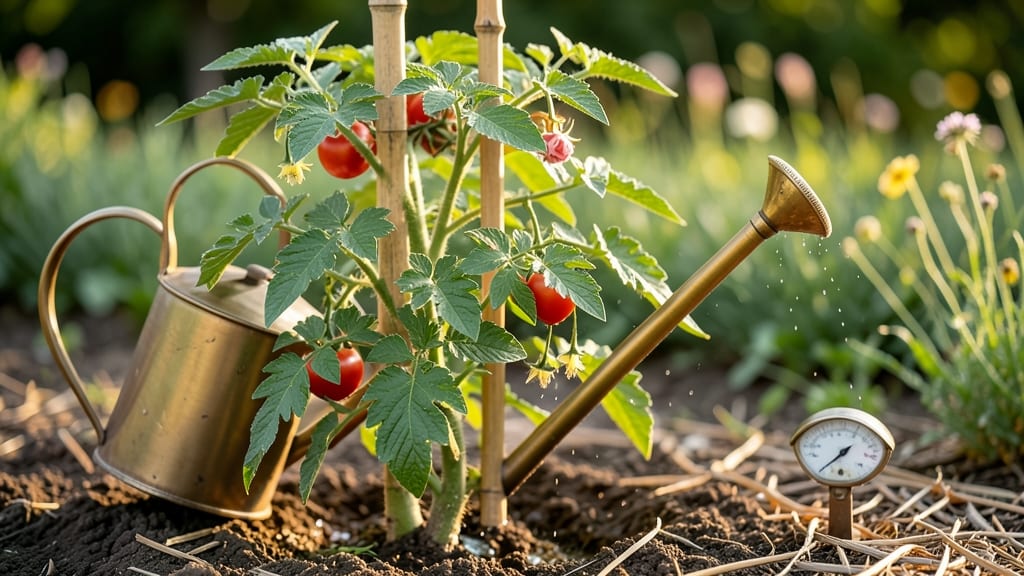
Watering tomatoes every day can actually stunt their growth — the key is deep, consistent moisture that matches their stage of life.
Overwatering tomatoes is one of the fastest ways to kill your plants, yet many gardeners still drown them daily, thinking more water equals better growth. The truth? Tomatoes thrive on consistency, not frequency, and their needs change as they mature.
Young seedlings need barely damp soil, while fruiting plants demand 1-2 inches of water every 2-3 days in hot weather. Too much water causes blossom end rot, while too little leads to wilting and cracked stems — both are easy to fix once you know the signs.
Below, I’ll break down the exact watering schedule for each growth stage, plus how to adjust for heatwaves, drought, or rainy spells. You’ll learn when to water, how much to give, and what your soil should feel like at every step.
How often to water tomatoes based on plant growth stages
Tomatoes don’t need daily watering—unless it’s scorching hot or you’re growing them in containers. The key is deep, consistent moisture that matches their growth stage.
Seedlings need gentle care, while fruiting plants demand more. Let’s break it down by phase so you water just enough, not too much or too little.
Your first step is checking soil moisture before watering. Stick your finger 1-2 inches deep—if it feels dry, it’s time. For container tomatoes, the soil dries faster, often needing water every 1-2 days, while in-ground plants may go 2-3 days between waterings.
Adjust based on your local climate and weather conditions.
Environmental factors like heat waves, drought, or heavy rain drastically change your watering schedule. On 90°F+ days, tomatoes may need watering every 1-2 days, while after a 1-inch rain, skip watering for 3-4 days. Mulching with straw or wood chips helps retain moisture and reduces evaporation by up to 30%.
During the seedling stage, focus on keeping the soil evenly moist but never soggy. Overwatering at this phase leads to damping-off disease, which kills young plants. Use a spray bottle or gentle watering can to avoid disturbing the delicate roots.
If your seedlings are in seedling trays, water from the bottom to encourage stronger root development.
When tomatoes enter the vegetative stage (2-6 weeks), they need more frequent deep watering to support rapid growth. Aim for 1-2 inches of water every 2-3 days, but check the soil first.
If the top 1 inch feels dry, it’s time to water. This stage is also when you should mulch heavily to lock in moisture and prevent weeds from competing for water.
The flowering stage is the most critical for watering—too little causes blossom drop, while
5 Warning signs you're overwatering (or underwatering) your tomatoes
Your tomatoes might be screaming for help—but you’re not listening. Overwatering or underwatering can turn your lush plants into sad, struggling vines overnight. The key is learning their visual and tactile cues, like wilting leaves or cracked stems, before it’s too late.
Let’s decode what your plants are really saying.
Most gardeners assume tomatoes need daily watering, but that’s often a recipe for disaster. Soil that stays soggy for too long cuts off oxygen to roots, while inconsistent watering stresses plants and leads to poor fruit set.
The trick? Consistent moisture—not a flood or a drought. Here’s how to spot the warning signs before your harvest suffers.
No—unless your soil is bone-dry or you’re in a heatwave. Most mature tomatoes need water every 2-3 days (1-2 inches deep). Daily watering is only for seedlings or extreme heat. Overwatering causes root rot, while underwatering leads to blossom end rot. Test soil moisture with your finger: if the top 1-2 inches are dry, water deeply.
First, check for yellowing leaves, especially on older foliage. This is often a sign of overwatering, as roots suffocate in soggy soil. If the yellowing starts at the leaf edges and works inward, it could also signal underwatering stress.
Feel the leaves—crispy edges mean thirst, while mushy stems mean too much water. Fix it by adjusting your schedule: water deeply but less often, and ensure your pots or beds have drainage holes.
Another red flag? Blossom end rot, those dark, sunken spots on the bottom of your tomatoes. This classic underwatering symptom occurs when calcium uptake is disrupted due to inconsistent moisture. While it’s often blamed on calcium deficiency, the real culprit is usually uneven watering.
Solve it by watering consistently and adding crushed eggshells or a calcium supplement to the soil. Mulch around plants to keep roots evenly moist.
Cracked stems or splitting fruit? That’s your plant’s way of saying, “I’m thirsty but confused!” Rapid moisture swings cause cells to expand and burst. If your tomatoes are splitting, cut back on watering slightly and mulch heavily to slow evaporation.
For stems, prune damaged areas and focus on even watering—never let the soil dry out completely between waterings.
Don’t ignore wilting leaves that don’t perk up after watering. If the wilting happens in the afternoon heat, it’s likely underwatering. But if wilting occurs early in the day or the soil feels soggy, you’re overwatering.
Dig a finger into the soil: if it’s damp below 2 inches, hold off on watering. For underwatering, water deeply at the soil base (not just the surface) to encourage strong root growth.
Your tomatoes are talking—listen closely. Overwatering or underwatering won’t just stunt growth; it can ruin your entire harvest. The fix? Test soil moisture daily, adjust your schedule based on the season, and watch for these 5 warning signs before they become irreversible.
With the right balance, your plants will reward you with juicy, bountiful tomatoes all season long. 🍅