
Mower
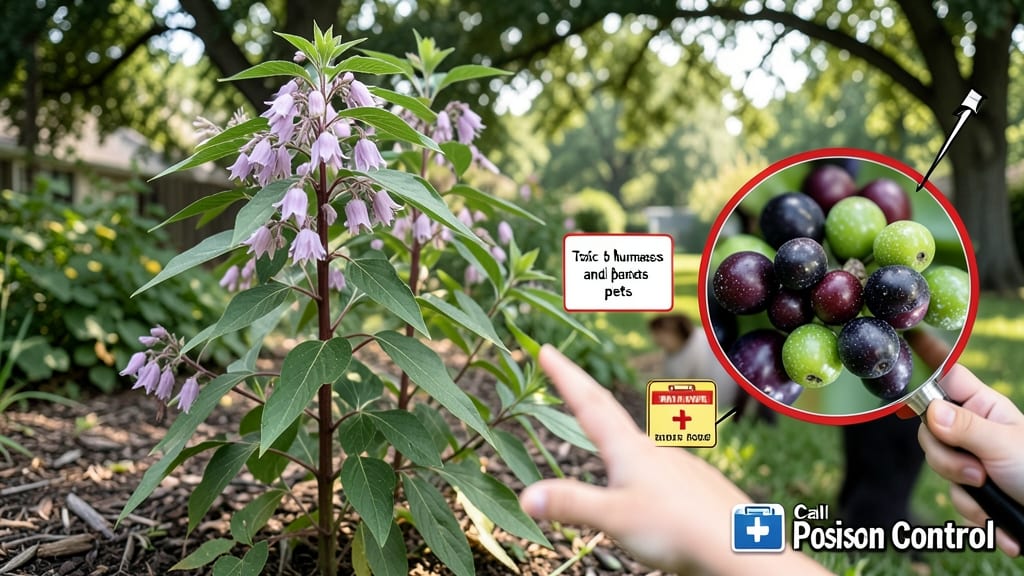
The symptoms of pokeweed poisoning in humans and pets typically include violent vomiting, persistent diarrhea, intense stomach cramps, and excessive drooling, often starting within 1-6 hours after exposure. Skin contact can trigger painful rashes or blisters, and severe cases may lead to organ failure or unconsciousness.
Pokeweed's toxicity comes from compounds like phytolaccatoxin, which irritate the digestive and nervous systems. 🌿 These toxins disrupt normal cell function, causing your body to react with extreme nausea and dehydration.
Pets, especially dogs and cats, are particularly vulnerable because their smaller size means even tiny amounts of berries or leaves can trigger severe reactions. Always assume pokeweed is dangerous—its berries are especially tempting to curious children and animals, but just one or two can be deadly.
Identifying pokeweed is critical: look for deep purple berries in clusters and large, waxy leaves. If you suspect exposure, rinse skin immediately with soap and water, and seek emergency care if symptoms like seizures or difficulty breathing occur.
Never induce vomiting without professional guidance—some cases require activated charcoal or IV fluids to prevent complications.
💡 In This Article
- How Pokeweed Toxins Trigger Poisoning Symptoms
- Recognizing Pokeweed Exposure in Plants, Pets, and Children
How pokeweed toxins trigger poisoning symptoms
Pokeweed's toxicity stems from a cocktail of compounds, with phytolaccatoxin being the most potent. This saponin-like toxin disrupts cell membranes in your digestive tract, causing them to leak fluids and triggering the violent vomiting and diarrhea seen in poisoning cases.
The plant also contains phytolaccigenin, which irritates nerve endings, leading to that intense abdominal pain and burning sensation. 🔥 These toxins work synergistically—phytolaccatoxin damages cells while phytolaccigenin amplifies the body's inflammatory response, creating a double threat to your system.
The speed of symptom onset depends on dosage and sensitivity. In humans, symptoms often appear within 1-6 hours after ingestion, with children and pets showing reactions even faster due to their smaller body mass.
For example, a 5-year-old child eating just 5-10 berries (about 1 teaspoon of pulp) could experience severe symptoms within 30-90 minutes. The toxins don't just stop at the stomach—they're absorbed into the bloodstream, potentially affecting the heart and central nervous system in severe cases.
Skin contact with pokeweed sap triggers a different but equally concerning reaction. The plant's resinous compounds cause a chemical burn, breaking down skin proteins and creating painful blisters.
This happens because the sap contains caustic alkaloids that denature proteins on contact—similar to how lye works in soap-making, but far more aggressive. 💛 The resulting rash often appears as red, swollen patches that ooze fluid, making it look like a severe allergic reaction rather than a simple irritation.
Pets face unique risks because their digestive systems process toxins differently. Dogs, for instance, metabolize phytolaccatoxin more slowly than humans, meaning the toxin lingers longer in their system.
This is why a dog eating pokeweed berries might show delayed symptoms (6-12 hours later) but experience more prolonged vomiting and lethargy. The plant's high moisture content in berries also makes them irresistible to animals, increasing exposure risks.
What makes pokeweed particularly dangerous is how its toxins target multiple organ systems simultaneously. The digestive symptoms (vomiting, diarrhea) lead to rapid dehydration, while the nervous system effects (dizziness, seizures) can progress to coma if untreated.
In extreme cases, the toxins may cause cardiac arrhythmias due to their impact on electrolyte balance—similar to how certain snake venoms affect the heart. This multi-system attack explains why pokeweed poisoning requires immediate medical intervention, even when symptoms seem "just" gastrointestinal at first.
The good news? Pokeweed's toxins are not fat-soluble, meaning they don't accumulate in body fat like some other poisons. This means your body can metabolize and excrete them over time with proper treatment.
However, without intervention, the dehydration from vomiting and diarrhea can become life-threatening within 24-48 hours—hence the urgency in seeking care. Always assume pokeweed is deadly until proven otherwise, especially when children or pets are involved.