
Companion Plants
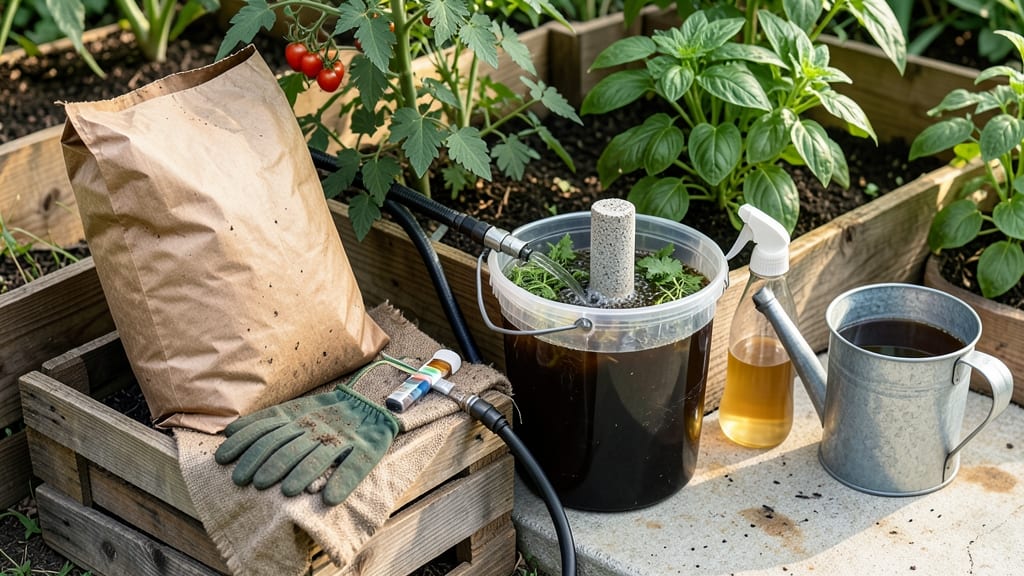
Weed tea for plants acts as a nutrient-rich organic fertilizer made from decomposing grass clippings, but requires careful preparation to prevent root burn or pest attraction. Use it sparingly for optimal growth.
This homemade fertilizer mimics compost tea by releasing nitrogen, potassium, and micronutrients as the grass breaks down. 🌱 The key is patience—proper aging (5-7 days) ensures beneficial microbes develop while avoiding harmful pathogens.
I've found that diluting the tea with water (1:5 ratio) prevents over-fertilizing, which can stress plants or attract fungus gnats.
For best results, apply weed tea to soil—not leaves—during early morning or evening when evaporation is minimal. Container plants and heavy feeders like tomatoes respond well, but avoid using it on sensitive plants or during flowering stages, as the nutrient surge can disrupt blooming.
💡 In This Article
- How Weed Tea Fertilizes Plants Naturally
- Best Practices for Brewing and Applying Weed Tea
How weed tea fertilizes plants naturally
Weed tea works because it's essentially a liquid compost made from decomposing grass clippings, which are rich in nitrogen (2-4% by dry weight) and potassium (0.5-1%). When grass breaks down aerobically (with oxygen), microbial activity converts these nutrients into plant-available forms like nitrates and phosphates.
This mimics the benefits of compost tea but requires far less effort—no special equipment or expensive additives needed.
The magic happens during the 5-7 day aging process, where beneficial bacteria and fungi multiply, creating a nutrient-rich broth. Think of it like a microbial soup where grass clippings act as the base ingredient and microbes do the heavy lifting of breaking down organic matter.
For example, a 5-gallon bucket filled with 1 part fresh grass clippings to 5 parts water will yield about 2 gallons of finished tea after proper aging.
What makes weed tea particularly effective is its balanced nutrient profile. Unlike synthetic fertilizers that deliver nitrogen in one form (ammonium or nitrate), weed tea provides a mix of both plus micronutrients like calcium, magnesium, and iron that plants crave.
This diversity supports root development and overall plant health—similar to how compost tea boosts microbial activity in soil but without the complexity.
However, the nutrient release isn't instant. Fresh grass clippings contain high levels of soluble salts that can burn roots if applied undiluted. That's why proper aging is critical—it allows microbes to break down these salts into safer compounds.
I've noticed that plants like tomatoes and peppers show noticeable growth improvements when given weed tea every 2-4 weeks, but overuse can lead to nutrient imbalances or salt buildup in soil.
One key advantage over compost tea is the simplicity. Weed tea requires no special ingredients—just grass clippings and water—while compost tea often needs additional inputs like molasses or humic acid to feed the microbes.
The grass itself provides all the necessary carbon sources for microbial growth, making it an accessible option for gardeners at any skill level.
For best results, use weed tea on plants that thrive with nitrogen-rich feedings, like leafy greens, herbs, and fruiting plants. The tea's mild acidity (pH 6.0-7.0) also helps break down soil compaction, improving water and nutrient uptake.
Just remember: the darker the tea after aging, the more concentrated the nutrients—so adjust dilution accordingly for your plants' needs.