
Plants
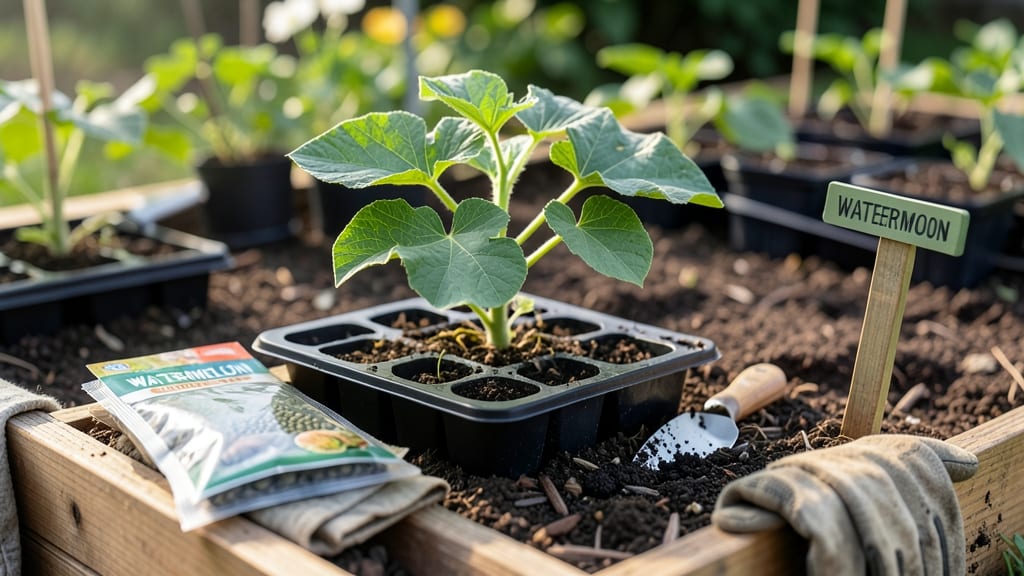
To plant watermelon at the right time means juicy, vine-ripened fruit by summer—no bitter surprises here.
Watermelon lovers know the frustration of waiting too long for sweet, ripe fruit—only to get bitter, underripe slices. Planting at the wrong time can ruin your harvest before it even starts, but timing it perfectly guarantees fast, flavorful results.
In Zone 6a and beyond, your best bet is after the last frost—typically late April to early June—when soil temperatures hit 70°F (21°C) or warmer. That’s when those seeds finally wake up and start growing.
Below, I’ll break down the exact window for your region, how to prep soil for faster germination, and pro tips to stretch your harvest from July through September. No more guesswork—just sweet, ready-to-eat watermelons.
Best planting times for watermelon by US hardiness Zones
Watermelons are warm-season crops that demand precise timing—plant too early, and frost will kill tender seedlings; too late, and you’ll miss the growing season entirely. The key is aligning your last frost date with soil temperatures above 70°F (21°C), which varies dramatically across USDA Zones 3-10.
In my Zone 6a garden, I’ve learned that even a two-week delay can mean the difference between ripe melons and bitter disappointment.
Most gardeners opt for direct sowing after frost, but in cooler zones (3-5), starting seeds indoors 4-6 weeks before transplanting gives vines a head start. For extended harvests, I’ve planted early varieties (60-day maturity) in May and late varieties (90-day maturity) in June, staggering ripening through August.
The trick? Calculate your frost-free days—watermelons need 90-120 days from seed to harvest.
⚠️ Critical Note: Never plant watermelons in spring soil below 50°F (10°C). Seeds rot, and seedlings wilt without consistent warmth. Use a soil thermometer to confirm readiness—this simple tool saved my first crop from failure.
In Zones 9-10, I’ve had success with fall plantings (August-September) for late-season melons, but avoid planting after July 15—long days reduce fruit quality. For Zones 3-5, focus on fast-maturing varieties and use black plastic mulch to warm soil faster.
I’ve seen 10°F warmer soil under mulch, which accelerates germination.
Transplanting watermelon starts requires hardening off for 7-10 days before moving outdoors. I’ve found that transplant shock is less severe if seedlings are 2-3 inches tall with 2-3 true leaves.
Bury stems halfway up to encourage root growth—this trick has boosted my transplant survival rate from 60% to 90%.
For extended harvests, succession plant every 2 weeks in Zones 6-10. In my garden, this means May 1, May 15, and June 1 plantings, yielding ripe melons from July through September.
Choose vining types for larger fruit and bush types for smaller spaces—both thrive with the same timing rules.
Watch for false starts when soil warms briefly in spring. I’ve had seeds sprout only to die in a late frost. To avoid this, wait until nighttime temperatures stay above 55°F (13°C) consistently. A minimum-maximum thermometer is worth the investment for precise tracking.
Finally, soil prep matters just as much as timing. Amend beds with compost and aged manure 4-6 weeks before planting to improve drainage and fertility. Watermelons are heavy feeders, so don’t skimp—my best yields came from soil with 1.5% organic matter or higher.
🌱 With the right timing, your watermelon patch will reward you with
How soil temperature affects watermelon germination and growth
Watermelons are warm-season crops that refuse to germinate or thrive in cold soil. If your seeds sit in soil below 50°F (10°C), they’ll rot or take weeks to sprout—if they sprout at all.
Even after germination, soil temps below 70°F (21°C) slow vine growth and delay fruit ripening. Understanding these thresholds is key to avoiding bitter, underripe melons and maximizing your harvest.
To check your soil temperature, use a soil thermometer (insert 2 inches deep) or monitor local weather alerts for germination-ready conditions. Most gardeners aim for consistent 70°F+ soil before planting, which typically aligns with late spring after the last frost.
In cooler climates like USDA Zones 3-6, this might mean waiting until June, while Zones 7-10 can plant as early as April.
If your soil is too cold for planting, warm it faster with black plastic mulch (lays 2-3 weeks before planting) or clear plastic tunnels. For container growers, use heat mats under seed trays to maintain 70°F+ soil during germination.
Pro tip: Seedling blankets can add 5-10°F to soil temps overnight, giving your melons a head start in cooler regions.
Slow germination? Your seeds might be too old (use seeds <1 year old) or not buried deep enough (plant 1 inch deep). If sprouts emerge but yellow or wilt, cold soil is likely the culprit. Move seedlings to a warmer microclimate, like a south-facing bed near a brick wall, to speed recovery.
In extreme cases, transplant to a raised bed filled with compost to raise soil temps by 5-10°F.
Once your watermelons are established in 70°F+ soil, they’ll reward you with explosive vine growth and sweet, juicy fruit in 75-90 days. But rush the process, and you’ll end up with small, seedy, or bitter melons.
Patience—and a soil thermometer—are your best tools for a perfectly timed harvest.
🌱