
Plants
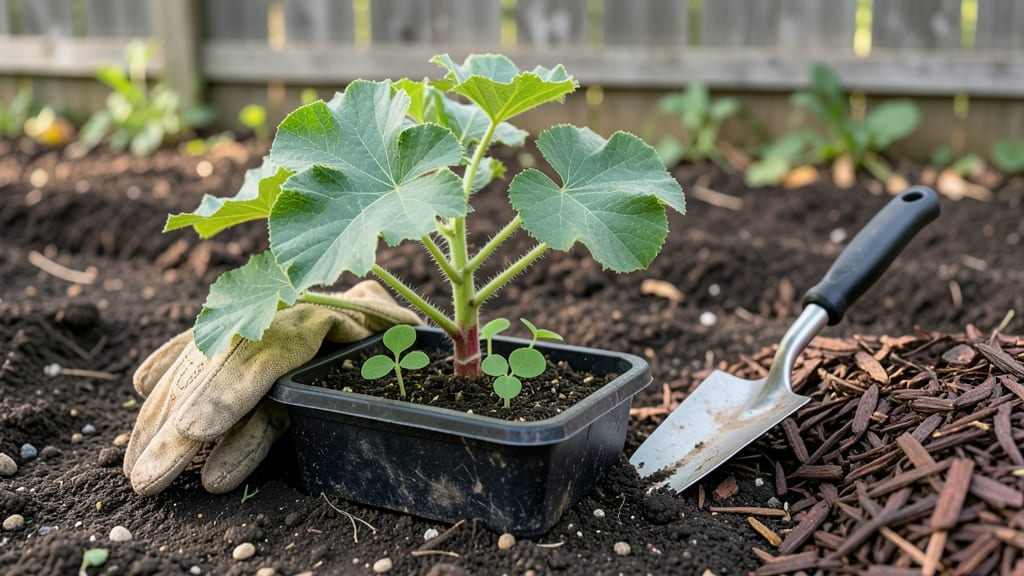
To plant watermelon in Virginia, wait until late April to mid-May after the last frost date—when soil temperatures hit 70°F and the air stays reliably warm.
Virginia’s warm summers are perfect for growing juicy, homegrown watermelons—but planting too early or late can mean bitter disappointment. Timing is everything, and missing the frost-free window by even a week could ruin your harvest.
In USDA Zone 7a, where most of Virginia lies, the 180-day growing season means you’ve got a narrow window to get seeds in the ground.
Too soon, and a late frost will kill tender seedlings; too late, and the heat arrives before the fruit sets, leaving you with six-foot vines and nothing to show for it.
Below, I’ll walk you through the exact frost-free timeline for your region, soil prep secrets to boost growth, and how to pick the right varieties—whether you’re planting in a backyard garden or a container on your patio.
Virginia’s ideal watermelon planting timeline: frost dates & heat requirements
Virginia’s USDA Zones 5a-7b create a diverse planting landscape, but watermelons thrive best when planted after the last frost date and with consistent soil temperatures above 70°F.
In most of Virginia, this means waiting until late April to mid-May—though coastal areas like Norfolk can start slightly earlier, while higher elevations like Roanoke may need to wait until early June.
Watermelons are heat-loving annuals that need at least 90 days of warm weather to mature. If you plant too early, a late frost will kill seedlings, while planting too late may result in small, underdeveloped fruit before the first frost in November.
The key is balancing your last frost date with the heat requirements of your chosen variety.
Below is a region-specific planting timeline for Virginia, including soil temperature thresholds, frost-free windows, and recommended varieties for each microclimate. Use this as your guide to avoid common mistakes like overestimating your growing season or underpreparing for heat waves.
For early varieties, like Sugar Baby or Early Red, you can push the planting window slightly earlier—even as early as late March in coastal areas—but only if you’re using row covers to protect seedlings from unexpected frosts.
These varieties mature in 70-80 days, making them ideal for shorter growing seasons.
If you’re in a warmer microclimate, like the Southwest region, you can also try late summer plantings in early July for a fall harvest. However, this requires fast-maturing varieties (like Jubilee) and consistent watering to compensate for the shorter season before the first frost.
Pro tip: Use a soil thermometer to confirm your soil is warm enough. Watermelon seeds won’t germinate below 65°F (18°C), and growth slows dramatically below 70°F (21°C). If your soil is still cool in May, consider black plastic mulch to warm it up faster.
Finally, account for heat waves. Virginia summers can swing from 90°F to 105°F in a single week, which can stress watermelon vines.
If temperatures exceed 95°F (35°C) for more than a few days, provide shade cloth during the hottest part of the day to protect your plants and ensure a successful harvest.
Soil preparation checklist for watermelon success in Virginia gardens
Virginia’s clay-heavy soils and humid summers demand special attention before planting watermelons. Without proper prep, your vines may struggle with poor drainage or nutrient deficiencies, leading to small, bitter fruit. The key is creating a loose, fertile growing medium that mimics the sandy loam watermelons thrive in.
Start by testing your soil’s pH level—watermelons prefer a range of 6.0 to 6.8.
Virginia’s native soils often skew acidic, so you may need to amend with lime or wood ash to raise the pH. This small adjustment can mean the difference between healthy vines and stunted growth.
🌱 KEY TAKEAWAY: Virginia Soil Prep Essentials
70°F+ (use soil thermometer)
6.0-6.8 (test & amend)
Raise beds if clay-heavy
2-3 inches compost
For clay soil common in Virginia’s Piedmont and Tidewater regions, consider building raised beds or mounding soil. This improves drainage while retaining moisture—a critical balance for watermelons.
Mix in 2-3 inches of compost or well-rotted manure to boost organic matter, which helps sandy soils retain moisture and clay soils loosen up.
Before planting, apply a balanced fertilizer (like 5-10-10) at a rate of 1 tablespoon per plant. Focus on phosphorus to encourage strong root development, but avoid overdoing nitrogen, which can lead to leafy growth at the expense of fruit.
Virginia’s humid climate also means you’ll want to add sulfur or composted pine bark to prevent fungal diseases.
Don’t forget to space your plants properly—watermelons need 3-4 feet between vines in rows spaced 5-6 feet apart. This gives roots room to spread and reduces competition for nutrients.
In smaller gardens, consider compact varieties like ‘Sugar Baby’ or ‘Tiny Tim,’ which thrive in container gardens with proper soil prep.
Finally, mulch around your watermelon plants with straw or black plastic to suppress weeds and retain moisture. Virginia’s summer heat can dry out soil quickly, and consistent moisture is key to developing sweet, juicy fruit.
With these steps, your watermelons will have the perfect foundation to thrive in Virginia’s unique growing conditions. 🌱