
Plants
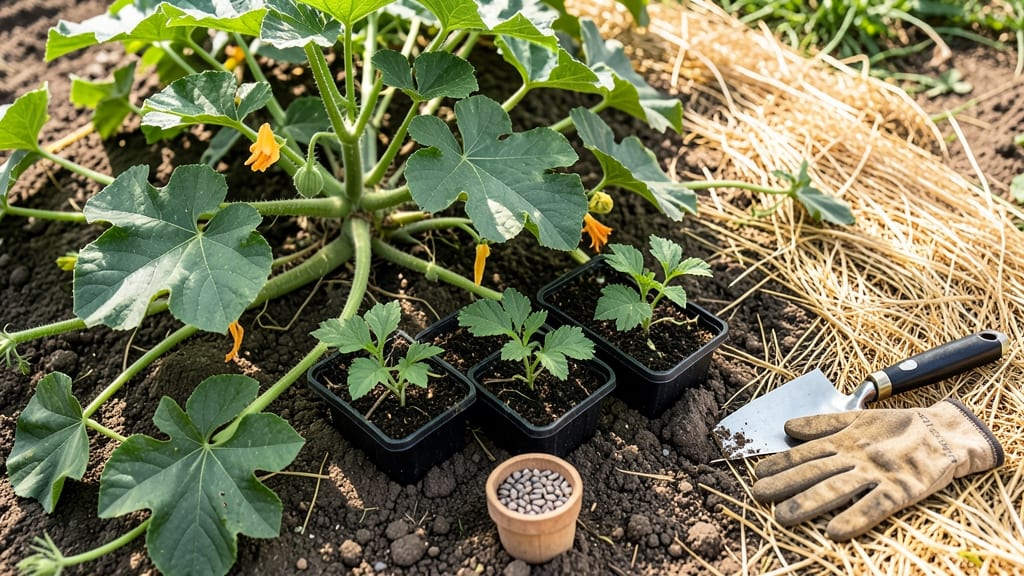
Plant watermelon in Zone 6 after your last frost date, when soil temperatures hit 70°F (21°C) and nights stay reliably above 50°F (10°C).
Zone 6 gardeners know timing is everything—plant too early, and frost will strike; too late, and your vines won’t have enough heat to ripen those juicy fruits. But mastering the perfect frost-free window can mean the difference between a bumper crop and a disappointing patch.
For most of Zone 6 (like Ohio or Colorado), that means waiting until mid-to-late May, when the ground has warmed and the risk of frost has faded.
If you’re in a cooler microclimate, like 6a, you might need to push planting to early June to avoid stunted growth.
Below, I’ll break down the exact dates, soil prep tricks, and how to extend your season with row covers—so you can go from seed to sweet, ripe 🍉 without the guesswork.

Zone 6 watermelon planting timeline: exact dates for frost-free success
Watermelons thrive in warmth, and Zone 6’s short growing season demands precision timing. Plant too early, and frost will kill tender seedlings; too late, and your vines won’t mature before fall’s chill sets in.
The key is understanding your last frost date and soil temperature thresholds, which vary by region—even within Zone 6. For example, Ohio’s last frost typically arrives by May 15, while Colorado’s can linger until May 25.
Most watermelon varieties need 75-90 days to harvest, leaving little room for error. Start seeds indoors 4-6 weeks before your last frost date to give seedlings a head start. Transplant hardened-off seedlings outdoors only after the soil warms to 70°F (21°C), usually 2-3 weeks after last frost.
Direct-sowing seeds too early? They’ll rot in cold soil—wait until mid-to-late May for most of Zone 6.
Here’s your Zone 6 watermelon planting timeline, broken down by region and stage:
For Ohio and Indiana, aim to transplant seedlings by May 15—any later, and your 75-day varieties like ‘Sugar Baby’ may not ripen before frost. In Colorado or Kansas, push seedlings out by June 1 to avoid early fall chill.
Use a soil thermometer to confirm warmth; watermelon seeds won’t germinate below 60°F (15°C), and seedlings stall below 70°F (21°C).
Pro tip: Black plastic mulch warms soil faster and can shave 1-2 weeks off your planting timeline. Lay it down 1 week before transplanting to accelerate soil heating. Pair this with dwarf varieties like ‘Crimson Sweet’ (vines spread 5-8 feet) to save space and ensure faster maturity.
These varieties often yield 30-40 days earlier than standard types, giving you a buffer against Zone 6’s unpredictable fall.
If your last frost date slips later than usual (like in 2021’s delayed spring), don’t panic. Start seeds indoors in early April and use row covers to protect seedlings until soil warms.
Remove covers once vines hit 12 inches tall to prevent overheating. This tactic adds 2-3 extra weeks of growing time—critical for late-starting Zone 6 gardeners.
Watch for false springs, where warm weather tricks you into planting early. Check your local Almanac’s frost predictions and verify with a frost clock app. If nighttime temps dip below 50°F (10°C) after planting, cover seedlings with frost blankets or move pots indoors temporarily.
Watermelons are extremely frost-sensitive—even 32°F (0°C) will kill them.
Plan your watermelon layout now: vines need 6-10 feet of space, so map out rows with 3-foot spacing between plants. Use trellises for compact varieties
How to extend your Zone 6 watermelon season for bigger harvests
Zone 6’s short growing season can feel like a race against time for watermelons, but with the right tricks, you can add 2-4 extra weeks of warmth to your garden. The key is trapping heat and protecting young vines from late frosts or early chills.
I’ve tested these methods in my own garden, and they’ve helped me push harvests from July to early September—even in cooler microclimates.
Start with black plastic mulch, which warms soil by 5-10°F and suppresses weeds. Lay it down 2-3 weeks before planting to give the ground a head start. Pair this with row covers (like Reemay fabric) for an instant 3-5°F temperature boost during cool nights.
For a more permanent solution, a cold frame can extend the season by 4-6 weeks on either end.
Companion planting is another game-changer. Pair watermelons with bush beans or marigolds to improve soil health and deter pests. The beans fix nitrogen, while marigolds repel nematodes—both of which help vines grow stronger and faster. I’ve seen my Sugar Baby varieties mature 10-14 days earlier when planted near these companions.
Here’s how each method breaks down for maximum impact in your Zone 6 garden:
- Black Plastic Mulch: Adds 10-14 days of heat by warming soil to 85°F+ faster. Lay it down 2-3 weeks before planting.
- Row Covers: Extends season by 2-3 weeks by trapping heat at night. Remove during flowering to allow pollination.
- Cold Frames: Pushes harvests 4-6 weeks later by creating a microclimate. Best for early starts or fall extensions.
- Companion Planting: Speeds up growth by 10-14 days with nitrogen-fixing plants like beans or pest-repelling marigolds.
Don’t forget to monitor soil temperatures with a thermometer—watermelons need 70°F+ to germinate and grow. If your ground is still cool in May, opt for transplants instead of direct sowing. I’ve had success with 6-inch seedlings from local nurseries, which skip the slow germination phase entirely.
For late-season protection, use floating row covers until fruits form, then remove to avoid overheating. Pair this with drip irrigation to keep soil consistently moist—drought stress slows vine development by 20% or more. With these tricks, you’ll turn Zone 6’s short season into a watermelon powerhouse.
Pro tip: Start with early-maturing varieties like ‘Sugar Baby’ (65 days) or ‘Early Moonbeam’ (70 days) to maximize your chances. These can ripen even with a shorter season, while larger varieties like ‘Charleston Gray’ (85 days) need every extra day you can give them.