
Lawn
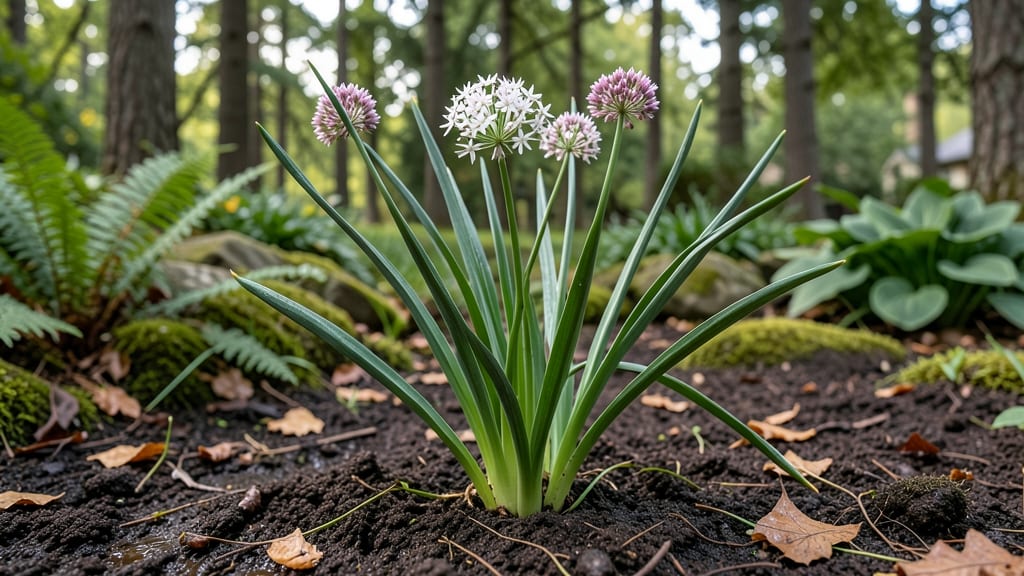
Wild onion grass weed looks like edible onions but forms dense clumps with grassy stems and long, flat leaves. Remove it before spring when its bulblets spread rapidly, or it will choke out your garden plants.
This aggressive weed thrives in lawns and gardens, often mistaken for young onions due to its similar foliage. 🌱 The key difference lies in its growth pattern—wild onion grass forms tight clusters with hollow stems and produces bulblets at the base that multiply underground.
Unlike edible onions, it lacks the familiar round bulb shape and has a stronger, more pungent aroma when crushed, which helps with identification. Pulling it early prevents those bulblets from forming new plants, saving you from future battles in your garden beds.
For stubborn patches, consider smothering with thick mulch or using a targeted herbicide in late summer when the plant is actively growing. The deeper you dig, the better—those bulblets can survive shallow removal and regrow.
I've found that consistent monitoring in spring and fall is the best defense against this persistent weed.
💡 In This Article
- Key Differences Between Wild Onion Grass and Edible Onions
- Best Methods for Eradicating Wild Onion Grass from Gardens
Key differences between wild onion grass and edible onions
Wild onion grass and edible onions share some visual similarities, but their growth patterns and physical structures reveal key differences. Wild onion grass grows in dense clumps with hollow, grass-like stems that feel brittle when bent, while edible onions form individual bulbs with papery skins.
The leaves of wild onion grass are long, flat, and blade-like, typically 6-12 inches long with a sharp, grassy texture, whereas onion leaves are broader and more tubular.
The real giveaway is how they reproduce. Wild onion grass spreads aggressively through bulblets—tiny, onion-like structures that form at the base of the plant and along its runners. These bulblets can produce new plants even if the main stem is removed, making it a persistent nuisance.
Edible onions, however, rely on a single bulb that stores nutrients for regrowth, not a network of multiplying bulblets. The aroma is another clue: crushing wild onion grass releases a stronger, more pungent onion scent than most edible varieties.
Root systems also differ significantly. Wild onion grass has a fibrous, shallow root network with bulblets embedded in the soil, while edible onions develop a single, deeper taproot. This makes wild onion grass easier to pull but harder to fully eradicate, as even small root fragments can regenerate.
The bulblets can remain dormant in the soil for years, waiting for the right conditions to sprout—this is why early removal is critical to prevent long-term infestations.
Mistaking wild onion grass for edible onions can be risky. While not all varieties are toxic, some contain compounds like alkaloids that can cause stomach upset or allergic reactions if consumed in large quantities.
The bulblets, in particular, may have higher concentrations of these compounds. Always double-check by examining the growth habit: if it's forming clumps with grassy stems and no distinct bulb, it's likely wild onion grass.
Another key difference is their growth cycle. Wild onion grass thrives in cool seasons and can regrow from bulblets even after mowing, while edible onions are typically planted in early spring or fall for bulb development.
This seasonal resilience makes wild onion grass a year-round challenge in gardens, especially in regions with mild winters. The faster you act, the easier it is to control before those bulblets establish themselves.
For visual confirmation, compare the leaf bases: wild onion grass leaves grow in a fan-shaped cluster at the base, while onion leaves emerge from a single bulb. This structural difference is your best friend when identifying and removing unwanted plants.
The sooner you spot these clues, the less time this invasive weed has to take over your garden beds.