
Advice
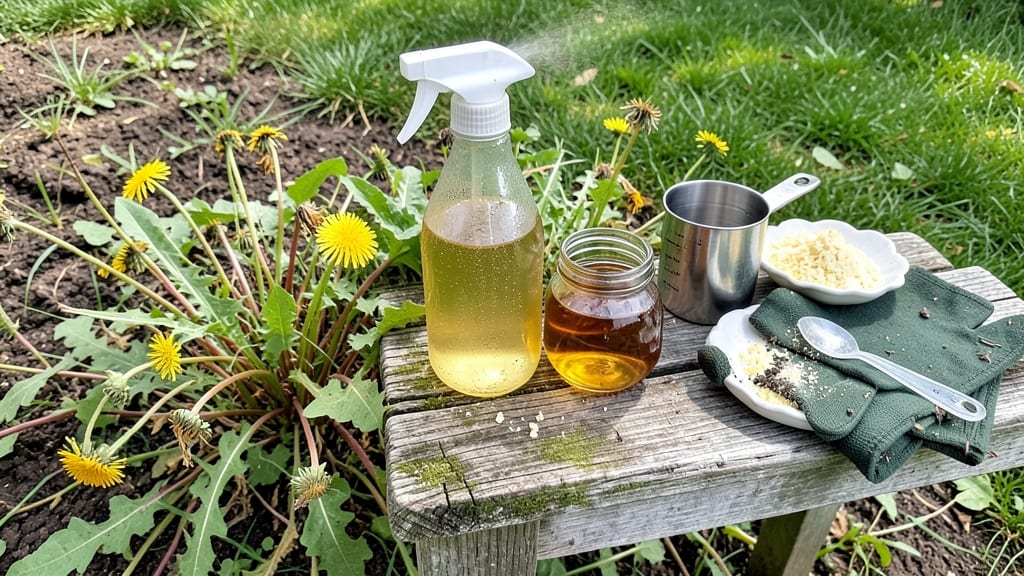
A vinegar dish soap weed killer eliminates weeds within 24-48 hours by dissolving their cell structures, but effectiveness depends on weed type, solution strength, and environmental conditions. Always apply on calm days, avoid desirable plants, and dilute properly before using near edible crops or in direct sunlight.
A vinegar dish soap weed killer works because the acetic acid in vinegar (typically 5-10%) disrupts plant cell membranes, causing dehydration and death. Dish soap acts as a surfactant, helping the solution cling to weed leaves and penetrate their defenses. Thicker weeds or those with waxy coatings may require stronger concentrations or repeated applications, while delicate plants like clover often die faster. Morning or evening applications minimize evaporation, and cloudy days improve results by preventing rapid drying.
This homemade solution is most effective on young weeds or those growing in cracks and driveways. For stubborn weeds, adding a teaspoon of salt to the mix can enhance results, though it may harm surrounding soil over time.
Always test a small area first—some plants, like dandelions, might regrow from deep roots. The key is consistency: reapply every 3-5 days for stubborn patches until the weeds fully desiccate.
💡 In This Article
- How Vinegar Dish Soap Kills Weeds: Science and Mechanisms
- Best Practices for Effective Vinegar Weed Killer Application
How vinegar dish soap kills weeds: science and mechanisms
The acetic acid in vinegar—typically 5-10% concentration—acts as a desiccant by breaking down the waxy cuticle layer on weed leaves. This layer protects plants from moisture loss, but vinegar's pH of 2-3 (similar to lemon juice) dissolves it, causing the cells to dehydrate rapidly.
Without this protective barrier, weeds lose water and nutrients, leading to death within 24-48 hours for most species. 🔥
Dish soap plays a critical role by lowering surface tension, allowing the vinegar solution to spread evenly and cling to leaves rather than beading up. Without it, the mixture would roll off the waxy surfaces of weeds like crabgrass or chickweed.
The soap also helps the acetic acid penetrate deeper into the plant's structure. However, this combination is less effective on thick-stemmed weeds like dandelions or thistles, which may require higher concentrations (20-30%) or repeated applications.
Evaporation rates and temperature matter significantly—vinegar dries faster in direct sunlight or high heat (80°F+), reducing effectiveness. That's why early morning or evening applications work best, giving the solution time to absorb before the sun intensifies.
Cloudy days also improve results by preventing rapid drying. Some weeds, like clover, die faster due to their thin leaves, while tougher species may take 3-7 days to fully desiccate.
The pH shock from vinegar disrupts cellular respiration in weeds, halting their ability to produce energy. Over time, this causes the leaves to turn brown and crispy—a clear sign the treatment is working. However, vinegar doesn't kill roots immediately, so regrowth can occur if the weed's root system remains intact.
For persistent weeds, adding 1 teaspoon of salt per gallon can enhance results by further dehydrating the soil around the roots.
One key limitation is that vinegar-based weed killers don't penetrate the soil, so they won't affect weeds growing from deep roots or underground runners. This makes them ideal for sidewalks, driveways, and cracks but less effective in garden beds where weeds like bindweed spread underground.
Always spot-test in an inconspicuous area first—vinegar can bleach fabrics and damage nearby plants if it drifts.
For best results, use a 1:1 ratio of white vinegar to dish soap (e.g., 1 gallon vinegar + 1 tablespoon dish soap) and apply on a calm day. The dish soap should be unscented and biodegradable to avoid harming beneficial insects or soil microbes.
Avoid using this mixture near edible plants or in areas where rain might wash it into water sources, as the acetic acid can alter soil pH over time.