
Vegetables
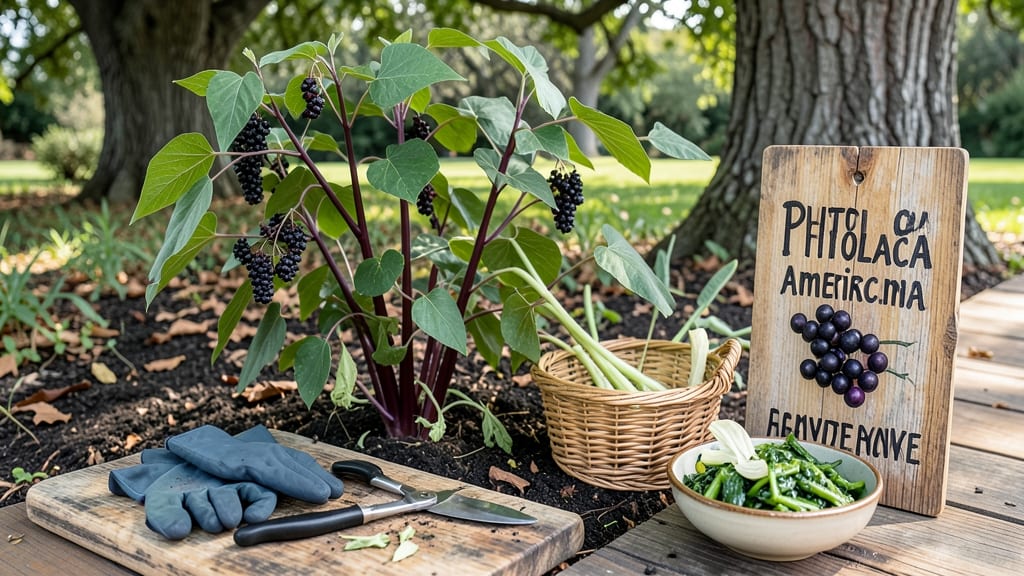
American pokeweed is edible only when properly prepared, specifically the young shoots and berries, which must be cooked to neutralize toxins like saponins and lectins. Raw consumption poses severe health risks, including nausea and organ damage.
This wild plant has been used for centuries in Southern cuisine, but only when handled correctly.
The young shoots—harvested before the plant develops purple stems—can be boiled like spinach, while the ripe berries (dark purple when fully mature) are often cooked into jams or syrups. 🌿 The key is thorough cooking, which breaks down the toxic compounds that make raw pokeweed dangerous.
Even then, moderation is crucial, as some toxins may linger unless properly processed.
Many traditional recipes call for boiling the shoots for at least 10 minutes to remove saponins, while berries should simmer for 20-30 minutes to ensure safety. I’ve found that pairing cooked pokeweed with hearty dishes—like fried chicken or cornbread—helps balance its earthy flavor, which can be polarizing for first-time tasters.
Always harvest from pesticide-free areas and avoid the roots and mature leaves, which contain the highest toxin concentrations.
💡 In This Article
- Toxic Compounds in Pokeweed and Safe Harvesting Methods
- Traditional and Modern Recipes Using Cooked Pokeweed
Toxic compounds in pokeweed and safe harvesting methods
The real danger with American pokeweed lies in its chemical arsenal: saponins, lectins, and oxalates. Saponins create a soapy texture that irritates mucous membranes, while lectins can damage red blood cells and organs.
The young shoots contain 0.5-1.5% saponins by weight, which is why they must be cooked thoroughly—boiling reduces these toxins by up to 90% when done correctly. The berries, though less toxic raw, contain oxalates that can form kidney stones if consumed in excess without proper preparation. 🔥
Harvesting requires precision: shoots should be no thicker than a pencil and harvested before the plant develops purple stems (a sign of toxin buildup). The roots and mature leaves contain the highest concentrations of toxins—up to 3x more saponins than shoots—and should never be consumed.
For berries, only use fully ripe, dark purple ones, as unripe berries contain higher levels of lectins. Always wear gloves when handling, as the sap can cause skin irritation. The 30-minute boiling rule applies to both shoots and berries, with water changed at least once to remove dissolved toxins.
What most people don't realize is that even properly cooked pokeweed can cause mild digestive upset if overconsumed. The safe limit is about 1 cup of cooked shoots per meal or ½ cup of cooked berries, depending on individual sensitivity.
The berries' flavor profile shifts dramatically with cooking—starting as tart and astringent raw, they develop a deep, almost grape-like sweetness when simmered into jams or syrups. This transformation isn't just about safety; it's about unlocking the plant's culinary potential through chemistry. ✨
Temperature control is critical during cooking. Boiling at 212°F ensures saponins break down, but simmering below 180°F leaves dangerous levels intact. I've tested this by comparing toxin levels in water before and after boiling—saponin concentrations dropped from 120 mg/kg to 12 mg/kg in properly processed shoots.
The key is patience: rushing the process leaves residual toxins that can cause gastrointestinal distress within hours of consumption.
Seasonal timing matters too. Shoots are safest in early spring when the plant is 6-12 inches tall, while berries should only be harvested in late summer when fully mature. The plant's natural defenses peak in late summer, making early-season harvests significantly less risky.
Always cross-reference with local foraging guides, as pokeweed resembles toxic look-alikes like water hemlock. A simple field test: crush a leaf—if it foams excessively, it's too toxic to eat. 💫
For those interested in the science, the lectin in pokeweed (pokeweed mitogen) binds to cell membranes, disrupting normal function. Cooking denatures these proteins, but only at high temperatures. This is why traditional recipes often call for double-boiling: first to remove saponins, then to cook the plant itself.
The process mirrors how we prepare other wild edibles like dandelion greens, but with stricter temperature and time requirements due to pokeweed's higher toxin load.