
Pests
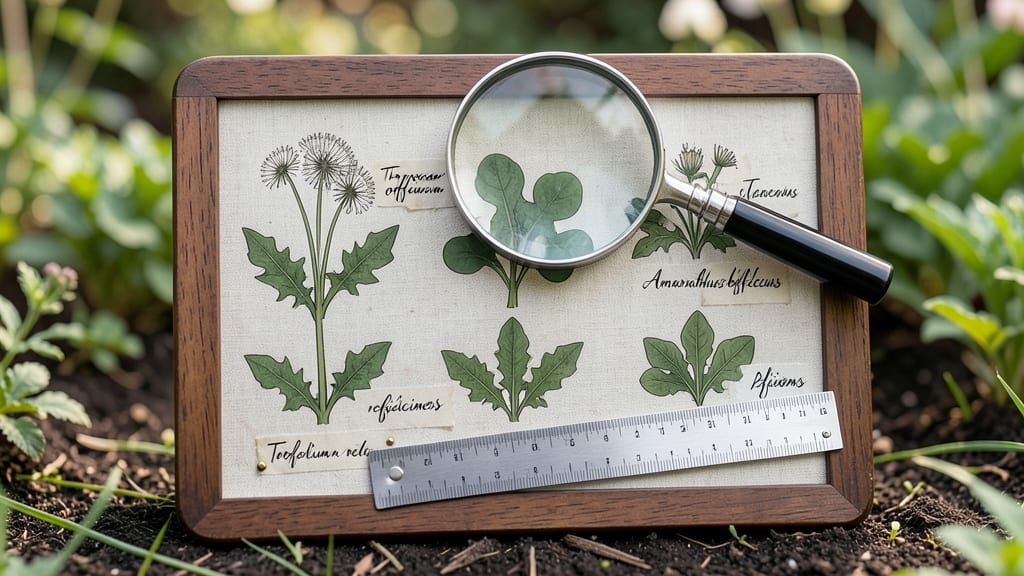
The classification of weeds involves scientific categorization by growth patterns, ecological roles, and life cycles, dividing them into annual, biennial, and perennial types while distinguishing between invasive and native species. This system helps professionals target control methods effectively.
Understanding how weeds are grouped helps gardeners and ecologists choose the right control methods.
Scientists categorize weeds based on their life span—annuals complete their cycle in one season, perennials return year after year, and biennials take two years to mature. 🌱 Invasive weeds, like kudzu, spread aggressively and often disrupt ecosystems, while native weeds may still be problematic but serve ecological roles.
The classification also considers root structures—taproots in dandelions versus fibrous roots in crabgrass—which determines the best removal techniques.
This system isn't just academic—it directly impacts how you manage weeds in your yard. For example, annual weeds like pigweed are easiest to control with pre-emergent herbicides in early spring, while perennial weeds such as creeping Charlie require persistent root removal.
Invasive species often demand specialized approaches, like manual extraction or targeted herbicides, to prevent further spread. Knowing these distinctions saves time and effort in the long run.
💡 In This Article
- Scientific Weed Classification Systems Explained
- Practical Weed Management by Growth Type
Scientific weed classification systems explained
Botanists classify weeds primarily by their plant taxonomy, starting with whether they're monocots or dicots. Monocots like crabgrass have parallel leaf veins and fibrous root systems, making them resilient to shallow disturbances.
Dicots such as dandelions feature branching roots and broader leaves, allowing them to store nutrients underground for years. 🌱 This distinction matters because monocots often spread via seeds while dicots can regenerate from deep taproots—explaining why dandelions return even after mowing.
The classification also examines root structures and their impact on control methods. Taproots (like those in plantains) can reach 3-4 feet deep, while fibrous roots (common in annuals) spread horizontally within the top 6 inches of soil.
This explains why tilling works for fibrous-rooted weeds but fails against deep taproots—you’d need a digging fork to reach the source. The leaf arrangement further helps identify growth habits: alternate leaves suggest dicots, while parallel veins indicate monocots like nutsedges.
Ecologists add another layer by categorizing weeds by their ecological roles. Pioneer weeds like chickweed thrive in disturbed soils, preparing the ground for climax species such as clover.
Invasive weeds, however, disrupt this balance—kudzu, for example, smothers native plants by growing 1 foot per day in ideal conditions. 🌿 This classification helps land managers decide whether to suppress or encourage certain species, depending on the ecosystem’s health goals.
Life cycle classifications—annual, biennial, or perennial—tie these traits together. Annuals like lambsquarters complete their life cycle in 60-90 days, while perennials such as bindweed live for decades. Biennials like bull thistle take two years to flower but die after seeding.
Understanding these cycles lets gardeners time interventions: pre-emergent herbicides for annuals in early spring, or persistent root cutting for perennials in their dormant season.
Even within these groups, weeds exhibit adaptive variations. For instance, some annuals produce thousands of seeds per plant (like pigweed), while perennials invest in deep roots for survival. Invasive species often combine multiple traits—fast growth, prolific seeding, and chemical defenses—to outcompete natives.
This biological diversity means no single control method works universally, which is why integrated approaches (herbicides + manual removal + cultural practices) are most effective.
Consider the classic example of dandelions: their deep taproots classify them as perennial dicots, while their bright flowers attract pollinators, making them ecologically valuable despite being garden pests. Crabgrass, meanwhile, is an annual monocot that thrives in compacted soil—a classic pioneer species.
These distinctions explain why dandelions return after mowing while crabgrass dies back in winter frost. 💡