
Pests
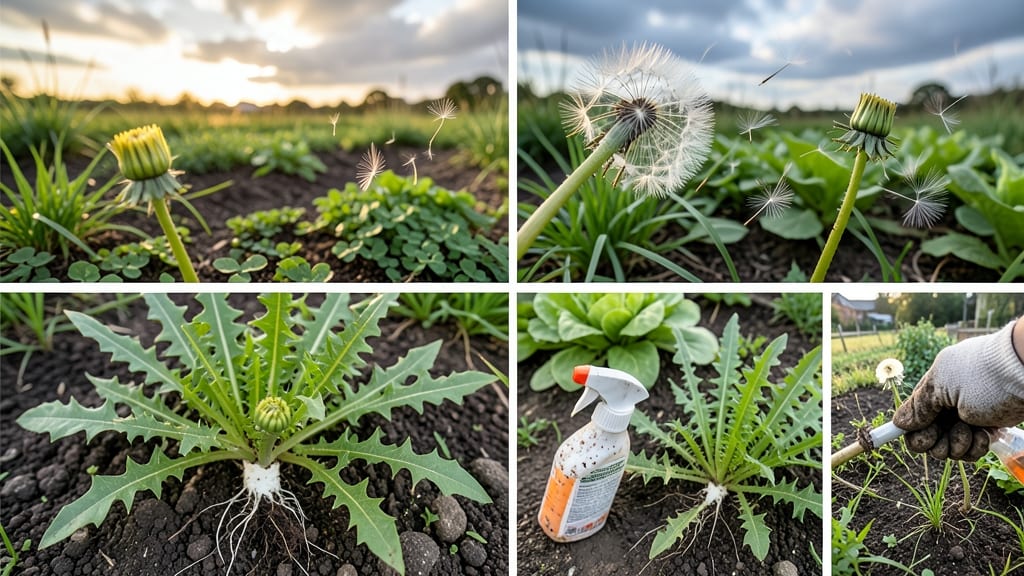
The disadvantages of weeds include aggressive competition for soil nutrients, water, and sunlight, which weakens plants and lowers garden productivity. They also spread diseases, attract harmful pests, and damage lawns or crops by invading roots and spreading rapidly through seeds or runners.
Weeds don't just look unsightly—they act like parasitic roommates, draining resources your plants need to thrive. 🌱 Their shallow root systems suck up water and nutrients before your vegetables or flowers can access them, leading to yellowing leaves and poor growth.
Worse, some weeds release chemicals that inhibit seed germination, creating a hostile environment for your garden. I’ve seen firsthand how a single patch of weeds can turn a thriving garden into a struggling one within weeks.
Beyond resource theft, weeds create a breeding ground for pests and diseases. Their dense foliage provides shelter for insects like aphids and beetles, which then spread to your prized plants. Plus, many weeds host fungal spores or bacterial infections that jump to crops, causing blight or rot.
The damage compounds quickly—what starts as a small weed problem can escalate into a full-blown garden crisis if left unchecked.
💡 In This Article
- How Weeds Deplete Soil and Plant Health
- Weed Control Strategies for Healthy Gardens
How weeds deplete soil and plant health
Weeds act like biological vampires, siphoning critical nutrients from the soil before your cultivated plants can access them. Their shallow, fibrous root systems spread aggressively near the surface, absorbing 60-70% more nitrogen than deep-rooted vegetables like tomatoes or carrots.
This nutrient theft isn't just about quantity—it's about timing. Weeds like crabgrass or chickweed germinate rapidly, often 3-4 weeks before your garden plants, giving them a head start in the nutrient race. 🌱
The damage goes deeper than just competition. Some weeds, such as black walnut or Johnson grass, release allelopathic chemicals that suppress seed germination and root growth in nearby plants. These compounds can linger in the soil for years, creating a toxic environment where even transplanted seedlings struggle to establish.
For example, a single black walnut tree can create a 50-foot "death zone" around it where most plants fail to thrive due to juglone toxicity.
Weeds also disrupt the delicate balance of soil microbes that help plants absorb nutrients. Their rapid growth and decay alter soil pH levels, often making the environment more acidic or alkaline depending on the weed species.
This shift can lock out essential minerals like phosphorus and calcium, which are vital for plant development. In one study, fields heavily infested with pigweed showed a 40% reduction in beneficial soil bacteria, directly correlating with stunted crop growth.
Another critical mechanism is water competition. Weeds have a higher surface-area-to-volume ratio in their leaves, allowing them to transpire 2-3 times more water per square foot than most crops. During drought conditions, this means your tomatoes or peppers may wilt while the dandelions next to them remain hydrated.
The result? Your plants allocate energy to surviving rather than producing fruit or flowers, leading to lower yields.
Consider the case of quackgrass, a perennial weed with extensive rhizomes that can spread 12-15 feet underground. These underground stems create a dense network that competes with crop roots for space, oxygen, and water.
In cornfields, quackgrass infestations have been shown to reduce yields by up to 50% by the third year of growth, as the weed's roots smother the corn's root system.
The cumulative effect of these mechanisms is what turns a garden from productive to struggling. Weeds don't just take resources—they alter the very foundation of plant health by changing soil chemistry, microbial communities, and water availability.
The result is often visible in stunted growth, yellowing leaves, and reduced flowering or fruiting in your cultivated plants. 🌿