
Pests and Diseases
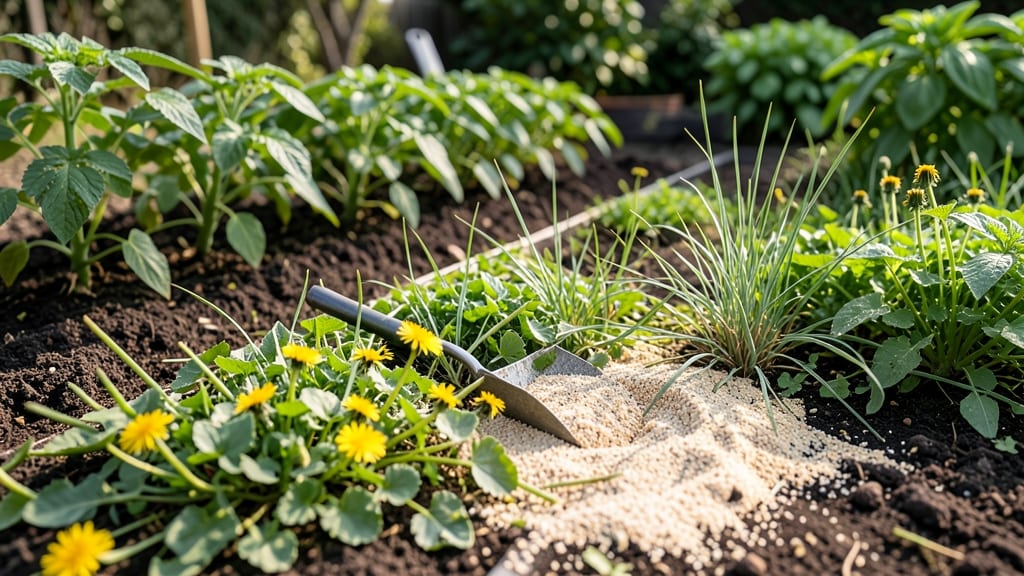
Gluten meal weed control works by absorbing moisture and stimulating weed seeds to germinate prematurely, then starving them when they sprout. Apply 1-2 pounds per 100 square feet in early spring before weeds emerge, keeping soil moist for best results. Avoid edible crops and organic gardens due to potential contamination risks.
This organic weed preventer tricks unwanted plants into using up their energy reserves before they even break the soil surface. 🌱 The process starts when gluten meal absorbs moisture, swelling and creating a hospitable environment for weed seeds to germinate.
Once they sprout, the young plants exhaust their stored energy trying to grow, leaving them vulnerable to desiccation. Unlike chemical herbicides, gluten meal doesn't harm established plants but requires consistent soil moisture to work effectively.
For best results, I recommend applying it in early spring when weed seeds are most active but before they've had a chance to sprout naturally. The key is patience—you won't see immediate results, but within 2-3 weeks, you should notice a significant reduction in weed emergence.
Just remember to keep the treated area moist during this period to maximize its effectiveness.
💡 In This Article
- How Gluten Meal Kills Weeds Through Germination Blockade
- Best Practices for Applying Gluten Meal in Gardens
How gluten meal kills weeds through germination blockade
Gluten meal works as a weed suppressant by exploiting a fundamental flaw in weed seed biology. When applied to soil, the fine gluten particles absorb moisture and swell, creating a moist environment that mimics natural conditions for weed seeds.
This triggers dormant seeds—like crabgrass, chickweed, and dandelions—to germinate prematurely before they have the energy reserves to establish roots. The seeds sprout but quickly exhaust their limited food stores, leaving delicate seedlings vulnerable to drying out.
The science behind this involves osmotic pressure. Gluten meal's protein structure binds water molecules tightly, creating a hypertonic environment that draws moisture away from young weed roots. This process, called desiccation, essentially starves the seedlings from the inside out.
Unlike chemical herbicides that poison plants, gluten meal doesn't kill established weeds—it prevents them from growing in the first place by depleting their energy before they emerge. 🌱
What makes gluten meal unique is its dual mechanism: it both stimulates germination and creates an inhospitable environment. Most pre-emergent herbicides work by forming a chemical barrier that prevents seedling growth, but gluten meal takes a different approach by encouraging germination in an unsustainable environment.
This method is particularly effective against annual weeds, which rely on stored energy in their seeds to establish themselves quickly. Perennial weeds with deeper root systems may be less affected since they can draw from established reserves.
Interestingly, gluten meal also influences soil microbial activity. The protein-rich material becomes a food source for beneficial soil microbes, which break it down over time. This microbial activity can improve soil structure while simultaneously competing with weed seeds for resources.
However, this secondary benefit occurs gradually—typically over 4-6 weeks—so the primary weed suppression effect comes from the germination blockade rather than microbial competition.
For comparison, consider how corn gluten meal differs from traditional pre-emergent herbicides like pendimethalin. While chemical herbicides create a toxic environment that prevents seedling development, gluten meal creates a false promise of growth—luring seeds to germinate only to trap them in a cycle of exhaustion.
The key difference lies in the timing: chemical herbicides act immediately upon application, whereas gluten meal requires 2-3 weeks to show visible results as seeds germinate and then fail to thrive.
One important consideration is that gluten meal's effectiveness depends heavily on soil moisture. In dry conditions, the particles don't swell properly, reducing their ability to stimulate germination. This is why consistent watering—about 1 inch per week—is crucial during the first 3 weeks after application.
The moisture helps activate the gluten's weed-suppressing properties while preventing it from simply washing away.
While gluten meal is non-toxic to established plants and animals, its mechanism creates a temporary window where young seedlings are particularly vulnerable.
This makes it an excellent tool for organic gardeners who want to prevent weeds without introducing synthetic chemicals, though it won't eliminate existing weeds or those with deep root systems. The process is a clever example of biological warfare against weeds—using their own life cycles against them. ✨