
How To
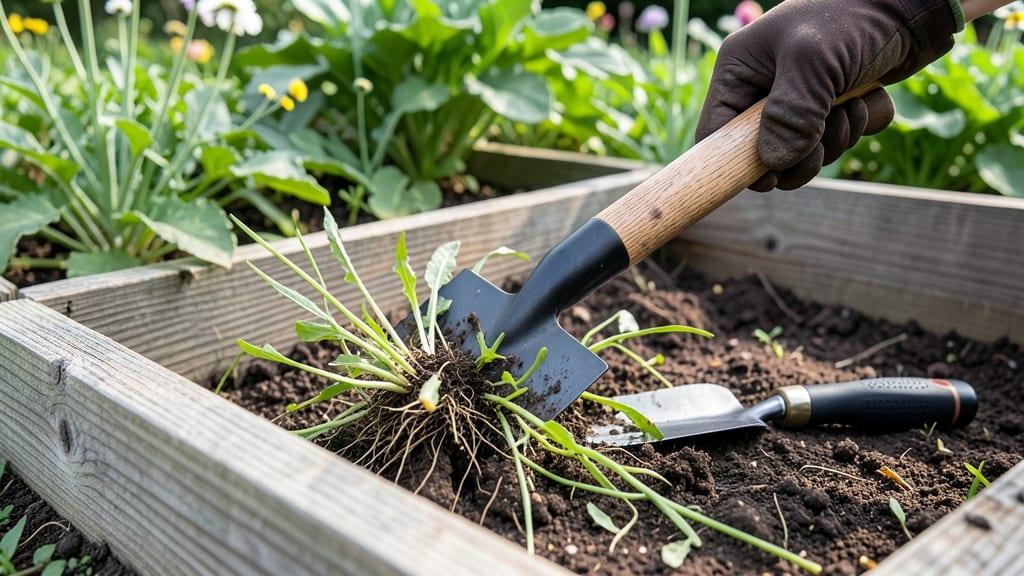
A weed spade tool works best when you insert the blade at a 45-degree angle near weeds, using its sharp edge to sever roots cleanly before lifting debris in one smooth motion. Always use it in dry soil for maximum effectiveness.
A weed spade tool isn't just another digging tool—its narrow, sharp blade is designed to slice through weed roots without disturbing surrounding soil. 🌱 The key is the angled approach, which lets you target deep roots while keeping the soil structure intact.
Unlike a hoe that chops at the surface, this tool reaches where many weeds regrow from, making it perfect for stubborn weeds like dandelions or crabgrass. I've found that dry conditions are non-negotiable; wet soil clumps around the blade, making clean cuts impossible.
For best results, work in small sections and focus on one weed at a time. The tool's leverage point means you can apply just enough pressure to cut roots without overworking the soil.
Many gardeners make the mistake of using it like a shovel, but that's exactly what it's designed not to do—over-tilling creates compaction and brings more weeds to the surface.
💡 In This Article
- How a Weed Spade Tool Works for Precision Weeding
- Step-by-Step Guide to Mastering Weed Spade Techniques
How a weed spade tool works for precision weeding
The weed spade's narrow, triangular blade is engineered to create a clean, precise cut rather than chopping like a hoe. The sharp edge (often made from hardened steel) is designed to slice through roots at a 45-degree angle, which is critical for accessing deep taproots without disturbing surrounding soil.
This angle allows the blade to glide beneath weed roots while maintaining soil structure—unlike broad hoes that disrupt the topsoil layer and often bring buried weed seeds to the surface.
The leverage point on most weed spades is positioned near the blade's base, giving you mechanical advantage to apply just enough force to sever roots cleanly.
For example, a 12-inch weed spade can deliver 30-50 pounds of pressure with minimal effort when used correctly, making it ideal for stubborn weeds like dandelions or bindweed. The tool's lightweight design (typically 1-2 pounds) also reduces fatigue during long gardening sessions, unlike heavier digging tools.
What sets weed spades apart from hoes or trowels is their ability to target specific weeds without collateral damage. A standard hoe chops at the soil surface, often missing deep roots that regrow. Meanwhile, a trowel's small size makes it impractical for larger weeds.
The spade's blade width (usually 2-3 inches) strikes a balance—wide enough to cut through multiple roots in one motion, yet narrow enough to navigate between plants without damaging them.
Here's the science behind why this matters: When you sever a weed's root system at least 1/2 inch below the soil surface, you prevent regrowth from the crown. The spade's angled design lets you achieve this depth while keeping the surrounding soil undisturbed.
This precision is especially valuable in vegetable gardens where you want to maintain soil aeration and microbial activity.
For best results, the blade should be kept razor-sharp—dull edges require more force, increasing the risk of soil compaction. I recommend honing the blade every 5-10 uses or when you notice resistance during cuts.
The tool's efficiency also depends on soil moisture: dry conditions allow the blade to glide smoothly, while wet soil causes clumping that can dull the edge and make clean cuts impossible.
The ergonomic handle design (often D-shaped or with a slight bend) is another key feature. This grip position reduces wrist strain during long sessions, allowing for more controlled movements.
When comparing tools, look for a non-slip grip—especially important when working with wet gloves or in damp conditions where your hands might sweat.