
Pests and Diseases
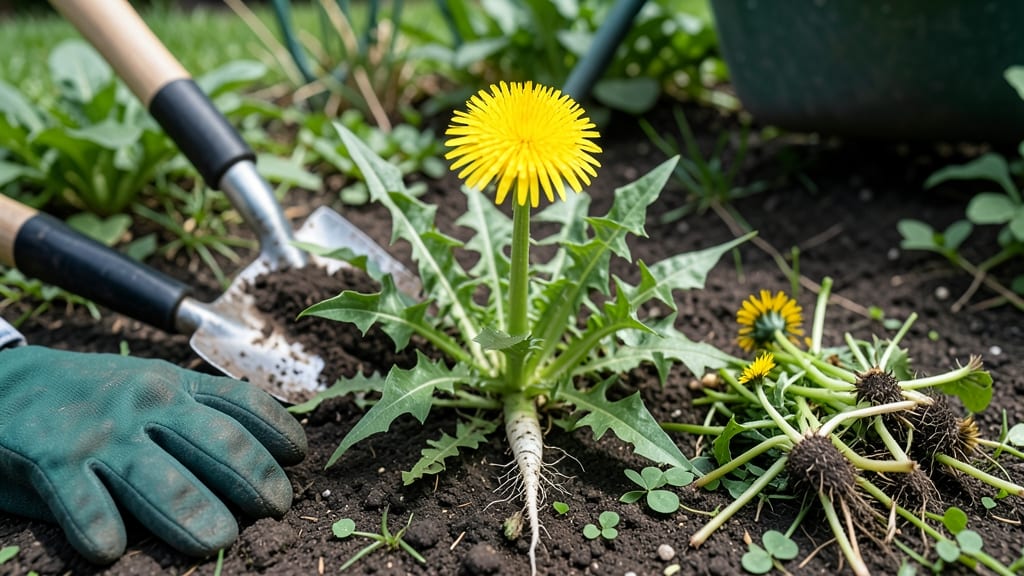
Weeding means removing unwanted plants—like grasses, dandelions, or clover—from your garden or lawn to protect desired crops, improve soil health, and prevent competition for nutrients and sunlight. It’s a key step in maintaining healthy plant growth and garden aesthetics.
When you pull weeds from your garden, you're not just tidying up—you're protecting your plants' health. 🌱 Unwanted plants steal water and nutrients that your flowers, vegetables, or lawn grass need to thrive.
I've seen firsthand how a single patch of creeping Charlie can choke out an entire bed of hostas if left unchecked. The roots of many weeds spread aggressively underground, creating dense networks that make future removal even harder.
This is why consistent weeding keeps your garden looking its best and ensures your plants get the resources they need to grow strong.
There's more to weeding than meets the eye—it's also about pest control. Many weeds harbor insects or diseases that can jump to your prized plants. 🦟 For example, those pretty yellow dandelions might seem harmless, but they're magnets for aphids that can devastate your roses.
Plus, weeds create microclimates that trap moisture, promoting fungal growth that can spread to your vegetables. The good news? Regular weeding breaks this cycle and keeps your garden ecosystem balanced.
💡 In This Article
- Why Weeding Is Essential for Plant Health
- Effective Weeding Techniques for Different Garden Types
Why weeding is essential for plant health
Weeding isn't just about aesthetics—it's a biological necessity. Unwanted plants compete aggressively for the same resources your garden needs. For example, a single dandelion can produce up to 200 seeds per plant, and each seedling can extract up to 25% more nitrogen from the soil than your vegetables.
This nutrient theft weakens your crops, making them more susceptible to disease and pests. The root systems of many weeds, like quackgrass, spread horizontally through the soil, creating dense underground networks that can strangle your plants' roots and disrupt water flow to deeper plant layers.
Weeds also create microclimates that alter your garden's natural balance. Their dense foliage traps moisture, creating ideal conditions for fungal pathogens like powdery mildew that can devastate your tomatoes or cucumbers. 🌱 The shade cast by weeds can also suppress the growth of sunlight-loving plants.
Consider how a patch of creeping Charlie can reduce sunlight penetration by up to 70% in an affected area, while your sunflowers need full exposure to reach their potential.
This competition extends beyond nutrients—weeds often have faster growth rates, allowing them to outcompete your slower-growing vegetables before they even establish themselves.
The ecological impact goes deeper than competition. Many weeds are invasive species that don't belong in your local ecosystem. Plants like bindweed can spread up to 20 feet per season through their underground runners, while others like Japanese knotweed release chemicals called allelopathins that inhibit the growth of nearby plants.
This chemical warfare means your garden's biodiversity suffers when weeds dominate. The good news? Regular weeding at the right growth stages—when weeds are young and their root systems are still shallow—can prevent these problems before they start.
Timing matters significantly in the battle against weeds. Most weeds germinate in the spring when soil temperatures reach 50-60°F, which is why early-season weeding is crucial.
At this stage, weeds are still small and their roots haven't penetrated deeply. 🌱 Waiting until weeds are mature means you're dealing with established root systems that can fragment when pulled, leaving behind pieces that regrow.
The science shows that removing weeds when they're just 2-4 inches tall reduces their competitive advantage by up to 90%. This is why many gardeners adopt a "little and often" approach, spending just 10-15 minutes weekly maintaining their beds rather than tackling weeds when they've taken over.
Weeds also serve as pest reservoirs. Many common garden pests, like aphids and spider mites, prefer to feed on weeds first before moving to your vegetables. For instance, a single patch of chickweed can harbor thousands of aphids that would otherwise infest your roses or brassicas.
The physical structure of weeds provides shelter for these pests during the day and breeding grounds for their offspring. This is why integrated pest management experts recommend removing weeds before they flower—they're at their most attractive to pests when producing seeds.
The ripple effect of this pest control means your vegetables stay healthier and more productive.
Consider the soil health aspect too. Many weeds, particularly broadleaf types, have deep taproots that break up compacted soil, which can be beneficial. However, their shallow root systems don't contribute organic matter like your vegetables do.
When weeds die and decompose, they often leave behind dense thatch layers that prevent water and air from reaching your plants' roots. The solution? Strategic weeding combined with organic mulching creates a balance—removing the weeds while maintaining soil structure and moisture retention.
What most gardeners don't realize is how weeding affects your plants' immune systems. When weeds compete for nutrients, your vegetables often become stressed and more vulnerable to diseases. For example, nutrient-deficient tomatoes are 3 times more likely to develop blight than well-fed plants.
This is why professional growers treat weeding as seriously as watering or fertilizing—it's a fundamental part of plant care that directly impacts yield and quality. The key takeaway? Weeding isn't just about what you remove—it's about creating the optimal growing conditions for your desired plants to thrive.