
Neem Oil
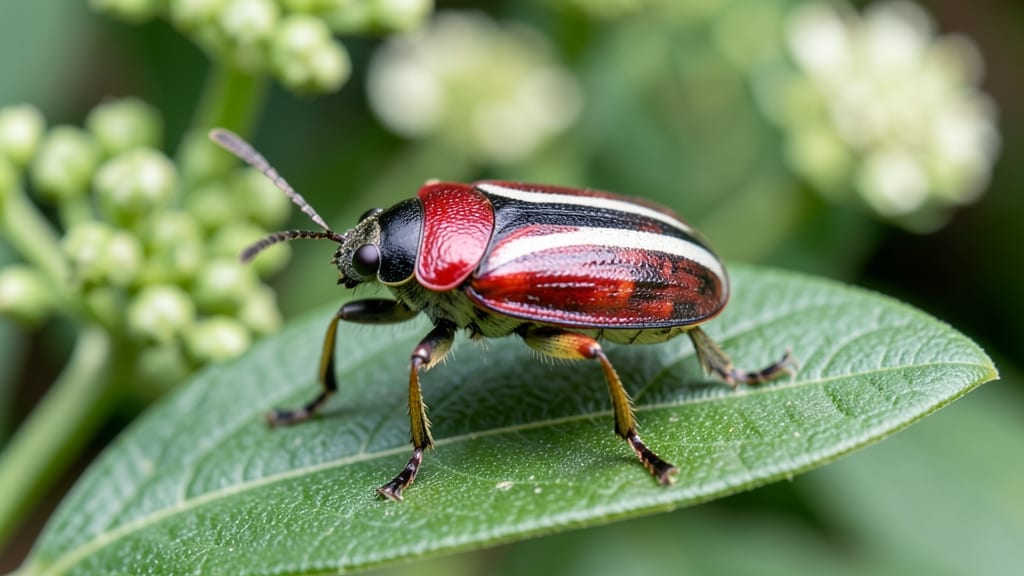
The scientific name for the milkweed bug is Oncopeltus fasciventris, a key pollinator and predator that thrives in milkweed ecosystems, especially on Asclepias species like common milkweed (Asclepias syriaca).
This striking red-orange bug isn't just visually striking—it plays a vital role in maintaining healthy milkweed populations. 🌿 As a member of the seed bug family (Lygaeidae), Oncopeltus fasciventris feeds on milkweed seeds, preventing overgrowth while also controlling aphid populations that might otherwise harm the plants.
Their presence signals a balanced ecosystem where milkweed can flourish without becoming invasive.
What makes them particularly fascinating is their life cycle, which includes a distinctive red-orange nymph stage that mimics the adult's warning coloration. This adaptation helps deter predators while they develop.
Gardeners often welcome these bugs because their feeding habits actually improve milkweed plant health by reducing seed density and controlling pests naturally.
If you're trying to attract milkweed bugs to your garden, focus on planting native milkweed species and avoiding pesticides that might harm their populations. Their ecological contributions make them a valuable ally for anyone growing milkweed—whether for monarch butterflies or simply as ornamental plants.
💡 In This Article
- Oncopeltus fasciventris: Taxonomy and Biological Traits
- How Milkweed Bugs Benefit Gardens and Milkweed Growth
Oncopeltus fasciventris: taxonomy and biological traits
The milkweed bug belongs to the order Hemiptera, a diverse group of insects that includes true bugs, aphids, and cicadas.
Within this order, it specifically falls under the family Lygaeidae, known as seed bugs or milkweed bugs, which are characterized by their piercing-sucking mouthparts adapted for feeding on plant seeds.
The genus Oncopeltus contains about 15 species, but Oncopeltus fasciventris is the most well-studied due to its ecological importance and bright coloration.
One of the most striking features of this species is its red-orange abdomen, which serves as a warning signal to predators about its toxic nature. These toxins, derived from the milkweed plants they consume, make them unpalatable to birds and other predators.
Their black legs and antennae contrast sharply with their vibrant body, creating a visual cue that reinforces their defensive strategy. Adults typically measure about 12-15 millimeters in length, with females slightly larger than males.
The life cycle of Oncopeltus fasciventris is tightly linked to milkweed plants, particularly those in the Asclepias genus. Females lay eggs on milkweed leaves, and the nymphs hatch within 5-7 days. These nymphs undergo five instar stages before reaching adulthood, each time molting to accommodate their growing size.
Interestingly, the nymphs also exhibit the red-orange coloration, though it may be less intense than in adults, providing early warning to potential predators.
What's particularly fascinating is how these bugs have evolved to thrive on milkweed's chemical defenses. Milkweed plants produce cardenolides, toxic compounds that deter most herbivores, but Oncopeltus fasciventris has developed resistance to these toxins.
Instead of being harmed, they sequester these compounds in their bodies, using them as their own chemical defense system. This adaptation allows them to feed exclusively on milkweed seeds without suffering harmful effects.
Their feeding behavior is also specialized: adults primarily consume milkweed seeds, while nymphs may feed on aphids or other small insects, contributing to natural pest control. This dual diet strategy ensures they remain closely tied to milkweed ecosystems while also playing a role in maintaining ecological balance.
The bugs' presence often indicates a healthy milkweed population, as they require these plants for both food and reproduction.
Understanding these biological traits helps explain why Oncopeltus fasciventris is such a valuable species in milkweed ecosystems. Their bright coloration isn't just for show—it's a sophisticated survival strategy that has evolved alongside their host plants. This co-evolutionary relationship makes them a fascinating case study in ecological adaptation and species specialization.