I’ve always been the one digging in the dirt—whether it was planting sunflowers in my grandma’s backyard or coaxing life out of stubborn seeds in a too-small windowsill. There’s nothing quite like the quiet satisfaction of watching something you’ve nurtured grow, and I want to help others experience that joy. On *Weed And Feed*, I share the practical wisdom I’ve picked up over the years, from soil science to seasonal planting tips, all with a little humor and a lot of real-world honesty.
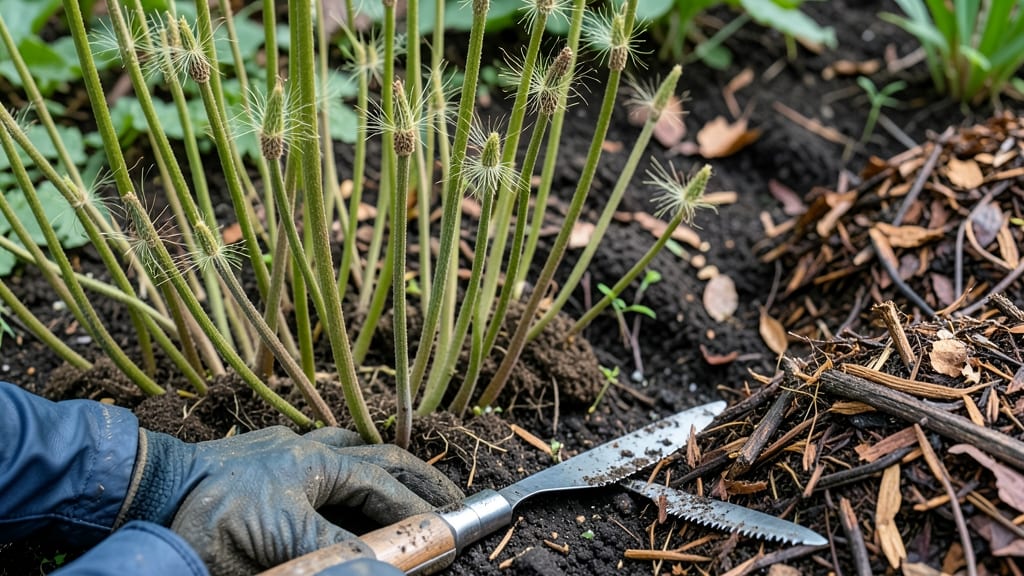
💥 Quick Answer Horses hair weed, or Equisetum hyemale , is a tough, invasive plant that spreads rapidly through its spore-producing cones and underground rhizomes. Look for its distinctive rough, ridged stems and bushy…
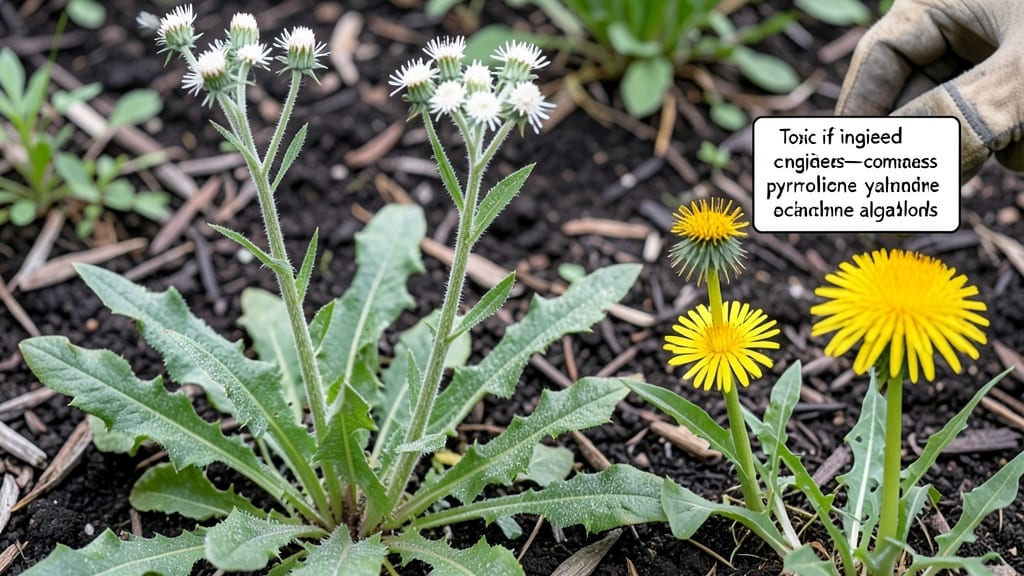
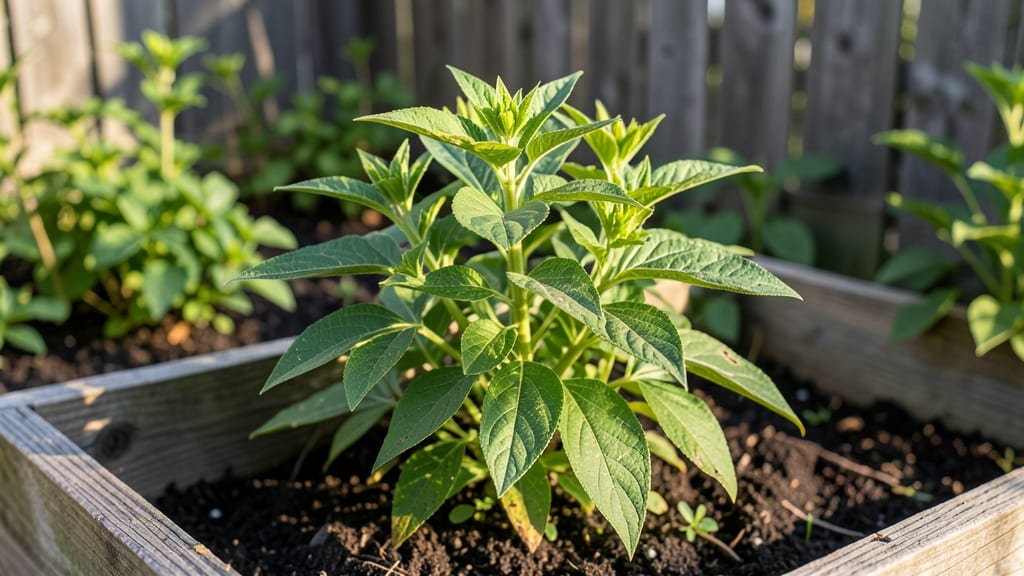
💥 Quick Answer Horseweed is not poisonous to humans when consumed in normal amounts, but its sap may cause mild skin irritation or allergic reactions in sensitive individuals. Ingesting large quantities could lead to…
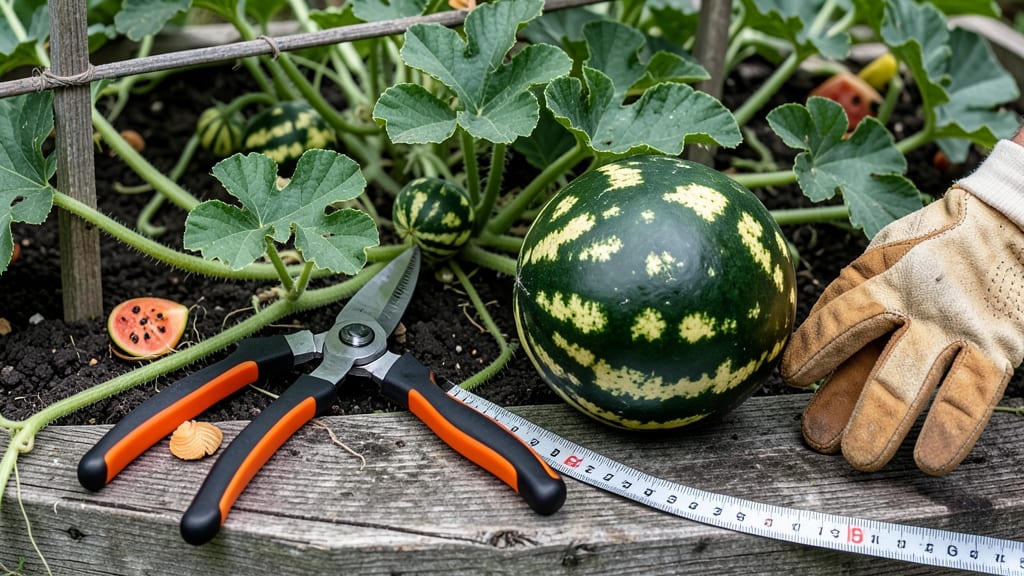
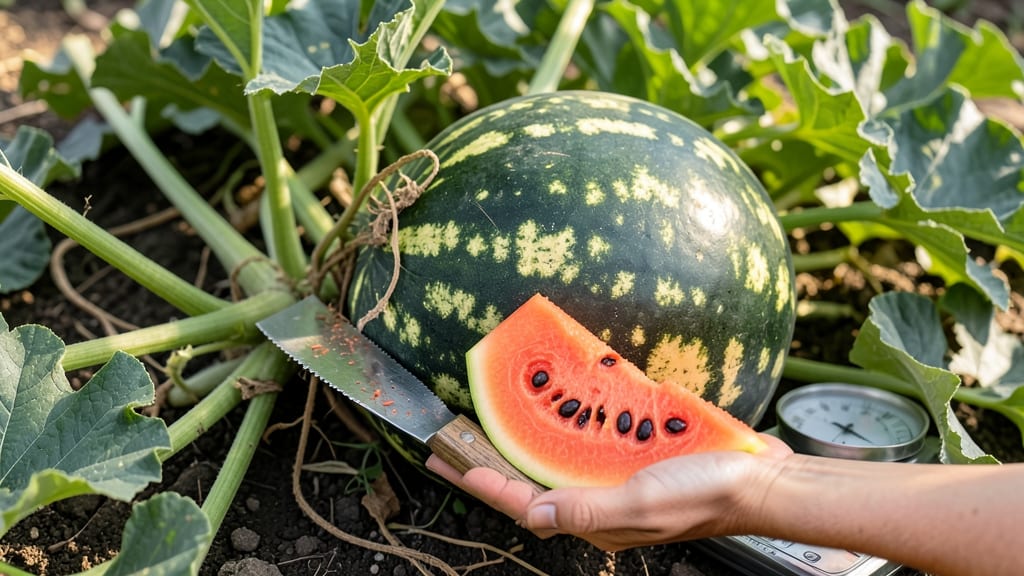
Icebox watermelons get surprisingly small—typically 8 to 15 pounds and just 6 to 8 inches in diameter, making them perfect for tight spaces. Dreaming of growing watermelons but worried about space? Icebox varieties pack…
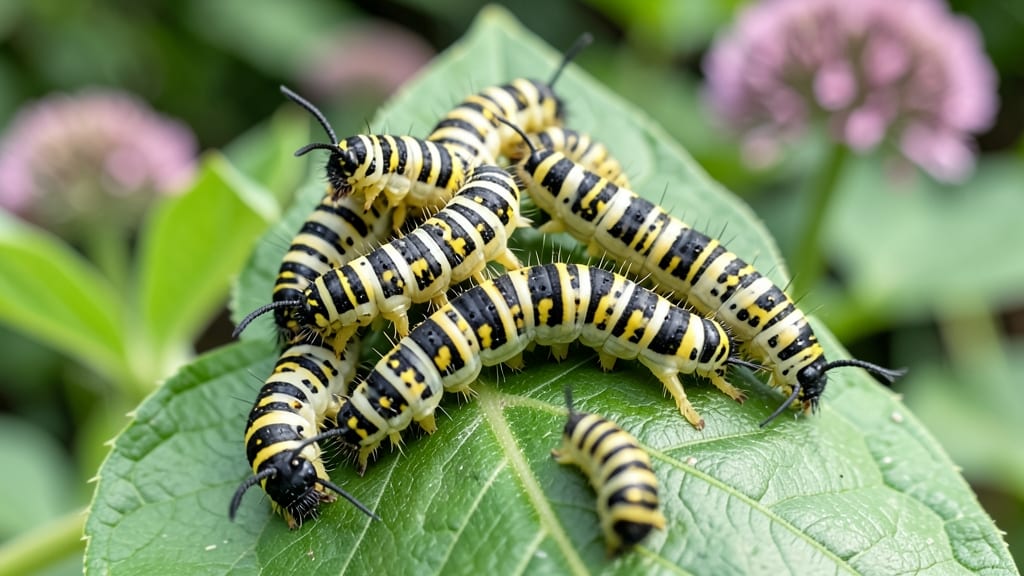
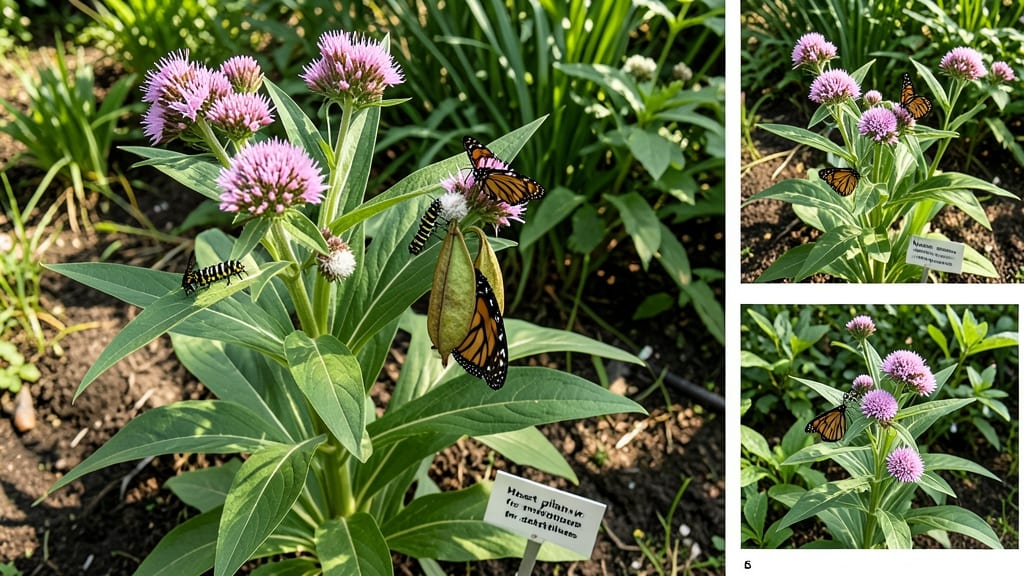
💥 Quick Answer Monarch caterpillars find milkweed by detecting chemical cues called cardenolides in the leaves, which their antennae sense through genetically programmed receptors. They also rely on milkweed's unique…
Telling if a watermelon 🍉 is ripe before cutting into it saves you from the bitter disappointment of a mealy, underripe slice. Picking the perfect watermelon at the farmers' market or grocery store can feel like a…
💥 Quick Answer Milkweed helps monarch butterflies by serving as their sole host plant for egg-laying and caterpillar feeding, providing essential nutrients like cardenolides for growth and protection, and supporting…
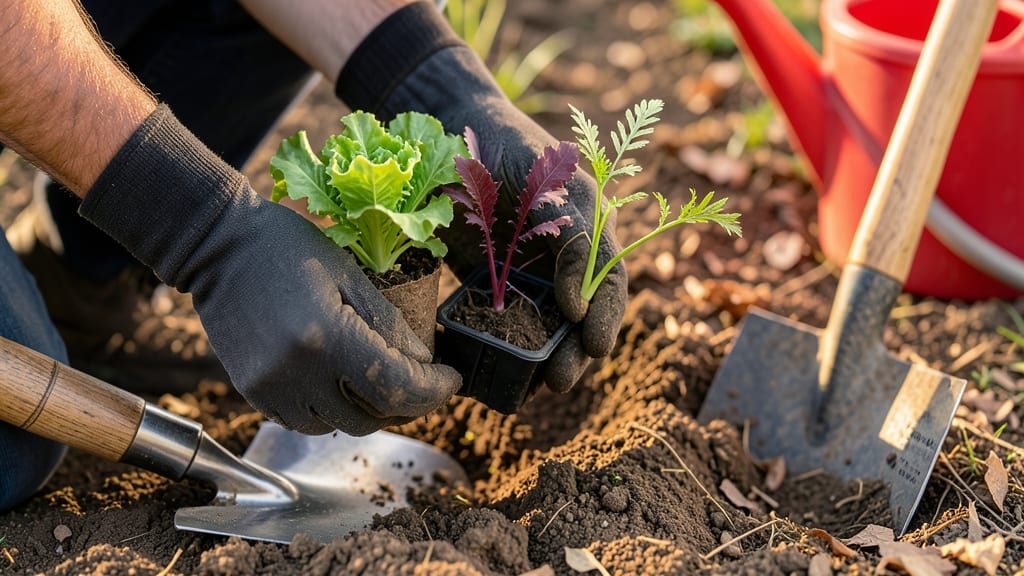
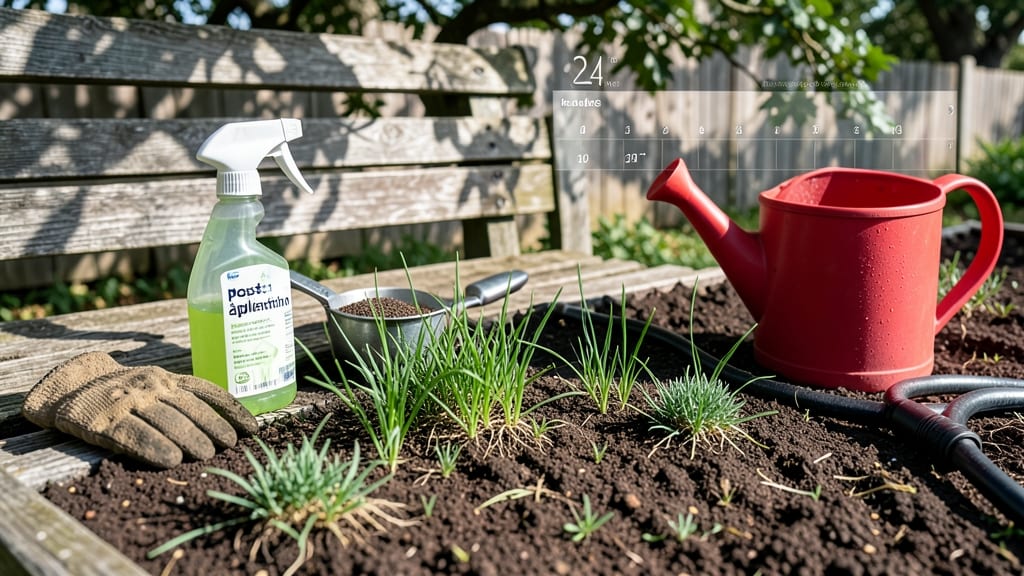
💥 Quick Answer To plant vegetables after weed killer, wait 4 to 6 weeks for synthetic herbicides like glyphosate, while organic options such as vinegar or corn gluten meal allow replanting in just 7 to 14 days . Always…
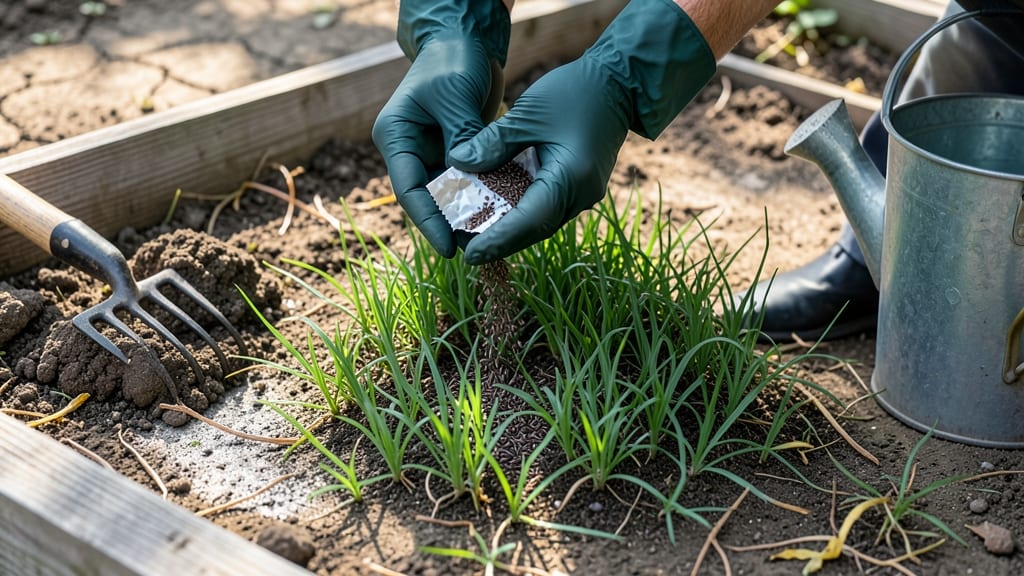
Waiting 6-12 weeks after weed killer before planting grass seed isn't just a guess—it's the difference between a thick, green lawn and one that struggles to take hold. 🌱 I learned this the hard way when my first attempt…
💥 Quick Answer You can plant grass after weed killer once the chemical residue has fully broken down, which typically takes 1-4 weeks for glyphosate-based products and 3-6 months for pre-emergent herbicides. Always…
💥 Quick Answer Butterfly weed blooms for 6 to 8 weeks in ideal conditions, typically stretching from mid-summer through early fall , with its most vibrant display peaking in July and August. The right growing conditions…