I’ve always been the one digging in the dirt—whether it was planting sunflowers in my grandma’s backyard or coaxing life out of stubborn seeds in a too-small windowsill. There’s nothing quite like the quiet satisfaction of watching something you’ve nurtured grow, and I want to help others experience that joy. On *Weed And Feed*, I share the practical wisdom I’ve picked up over the years, from soil science to seasonal planting tips, all with a little humor and a lot of real-world honesty.
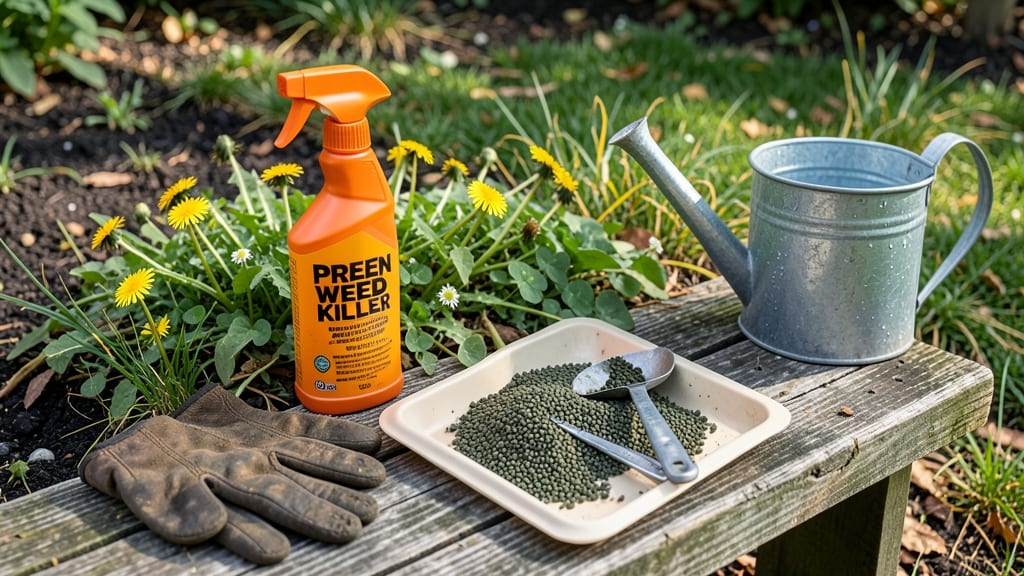
Preen weed killer instructions turn your garden from a battleground to a foolproof weed-free zone in just 2-4 weeks . 🌱 I’ve used it for years—it’s the only product that actually works without burning my plants or…
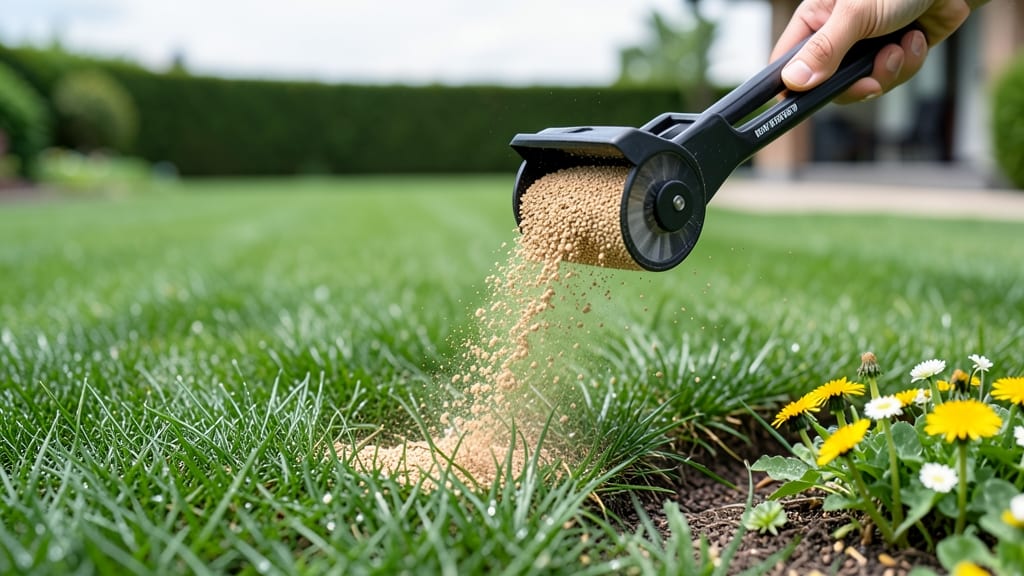
Following the Preen weed preventer directions isn’t just about using another weed killer—it’s my secret weapon for keeping flower beds and garden paths weed-free for months. 🌿 The key is applying it at the right time…
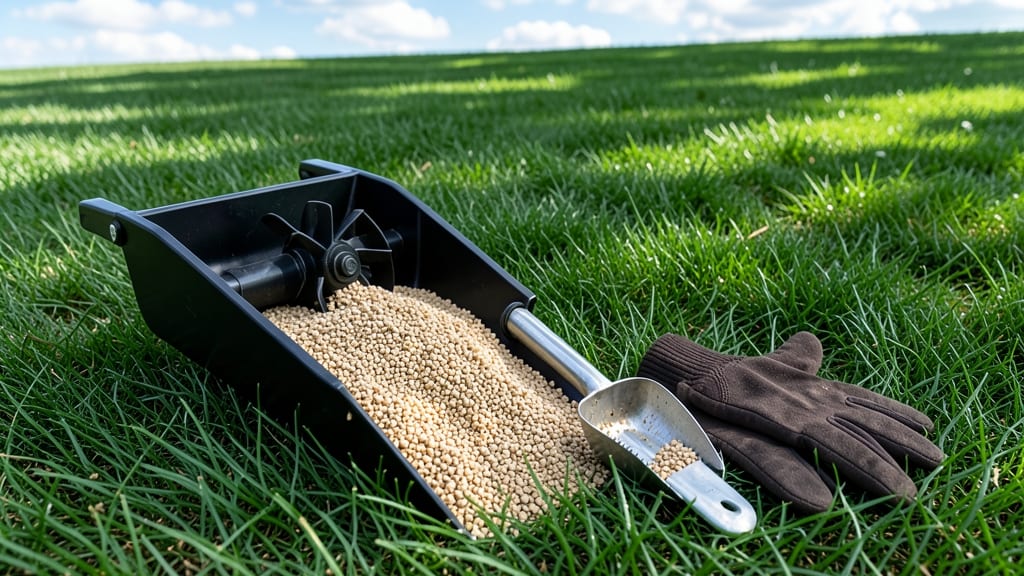
My battle with weeds finally ended when I discovered Preen Weed Preventer instructions —that one application kept my garden clean for months. 🌱 The secret lies in timing, technique, and knowing which plants can handle…
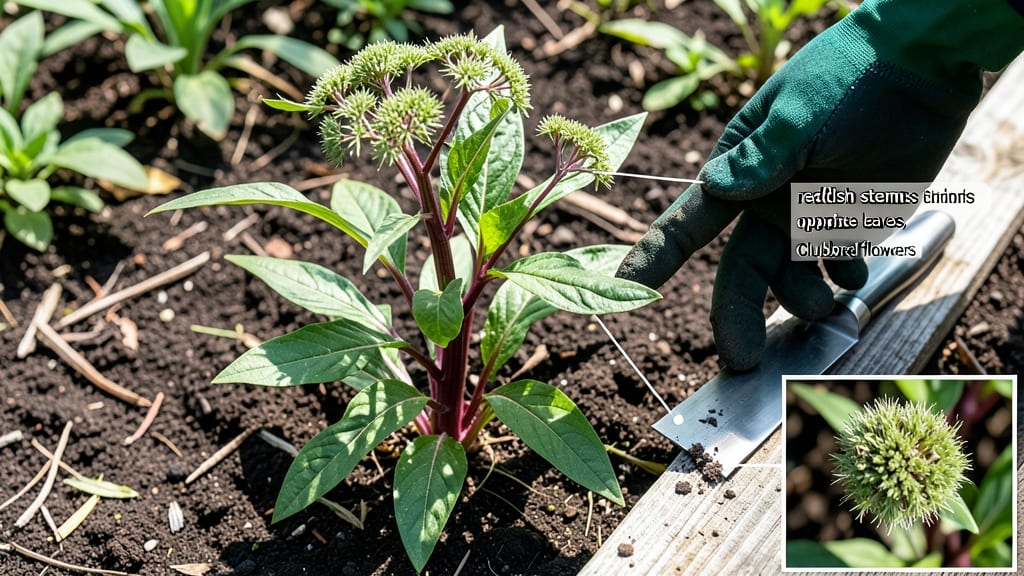
💥 Quick Answer Prickly weed plants (Amaranthus spp.) thrive in USDA zones 3-10, requiring full sun and well-draining soil. Their edible leaves and flowers are best harvested young, while their roots can be dried for tea…
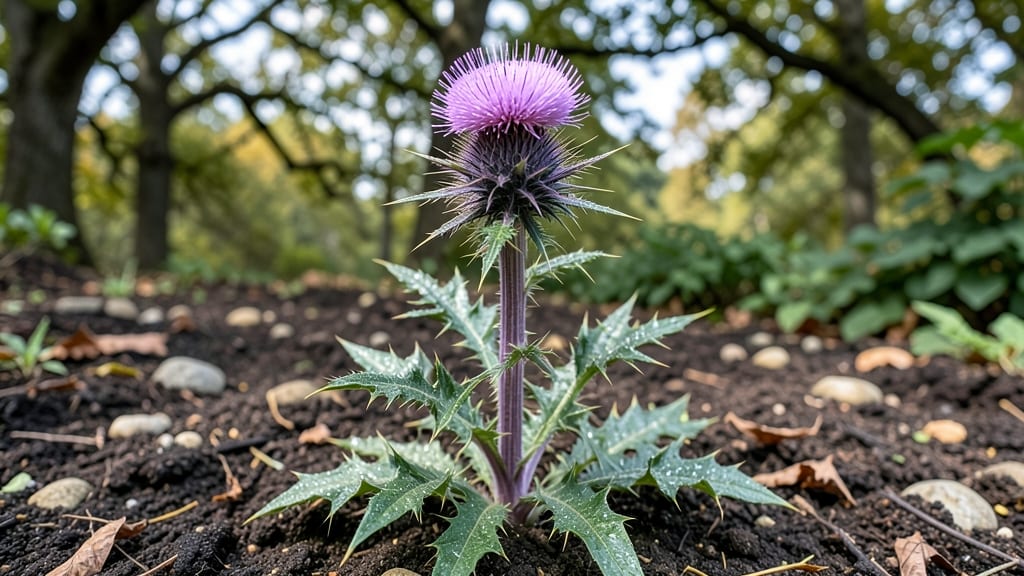
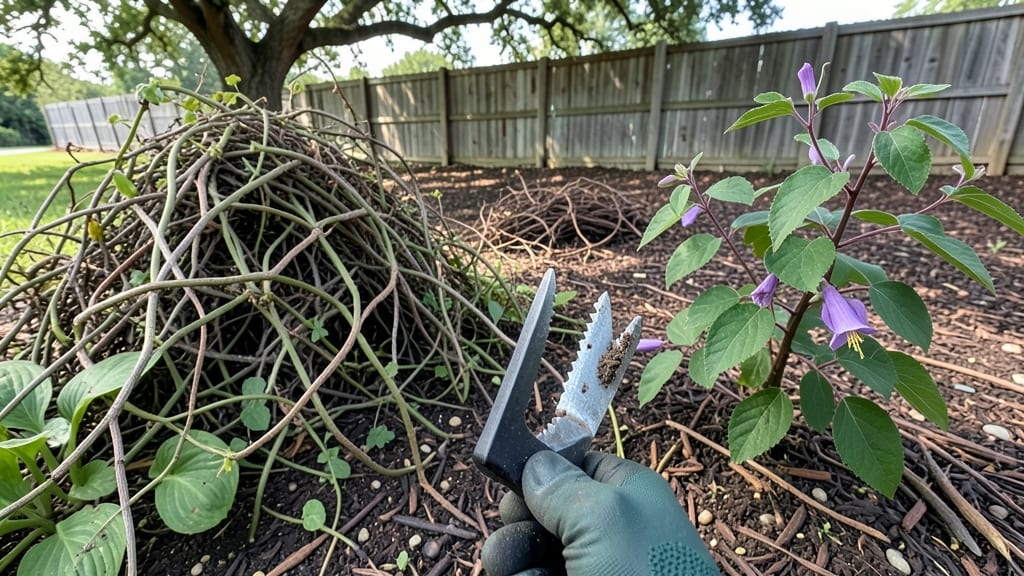
Purple honeysuckle isn’t just a pretty weed—it’s a garden thief, choking out native plants and spreading like wildfire. 🌿 I’ve wrestled with it in my own yard, and I’ll show you the 3-step pull that actually works to…
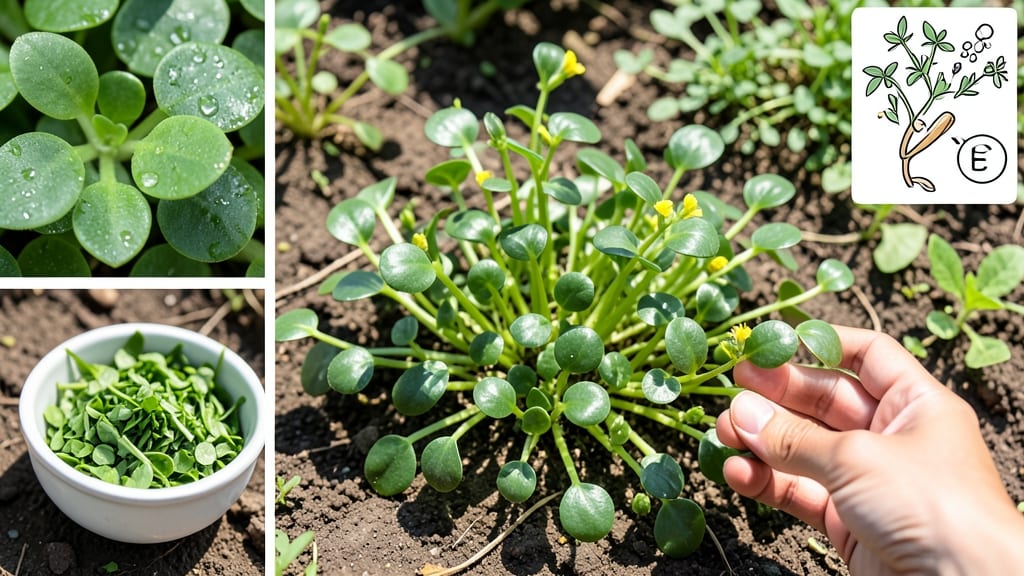
💥 Quick Answer Purslane weed benefits your health with its exceptional nutrient profile, providing more omega-3 fatty acids than fish oil, abundant vitamin C and E, and vital minerals like magnesium and calcium, earning…
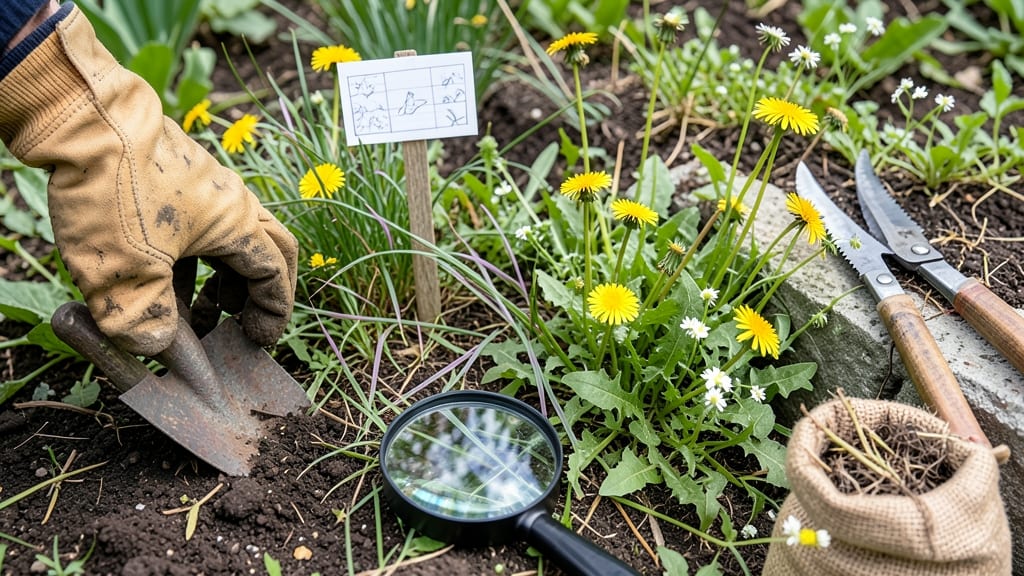
💥 Quick Answer Questions about weeds typically revolve around how to identify them, the most effective removal techniques, and ways to prevent their return while protecting your garden's health—whether you prefer…
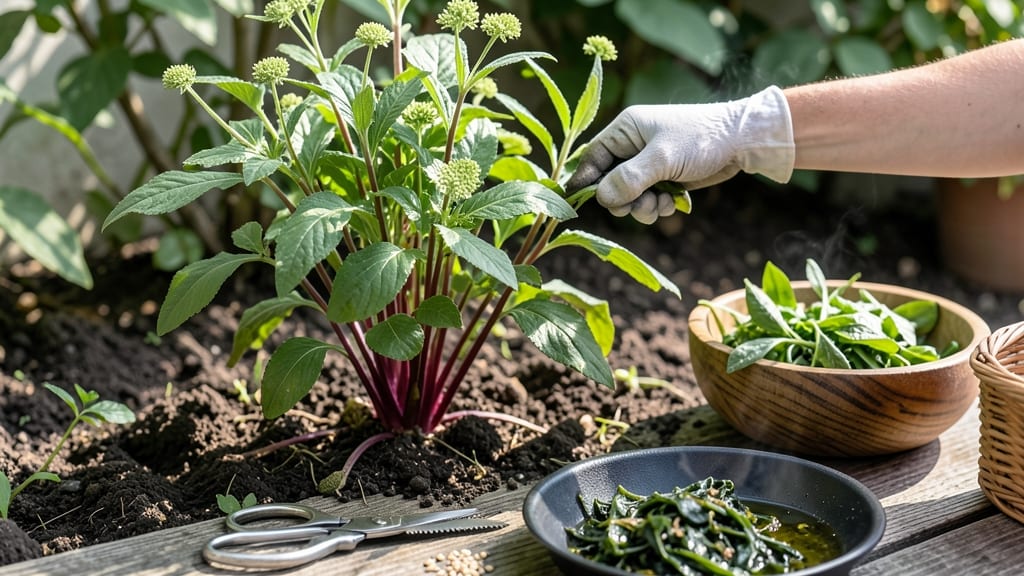
💥 Quick Answer Redroot pigweed is edible when properly identified and prepared, with young leaves and stems safe to eat raw or cooked, but seeds and roots are toxic. Always confirm species and avoid contaminated plants…
💥 Quick Answer Redroot pigweed's uses span edible leaves and stems for salads or cooked greens, roots that roast like potatoes, and medicinal benefits for urinary tract health, inflammation, and digestion—but always…
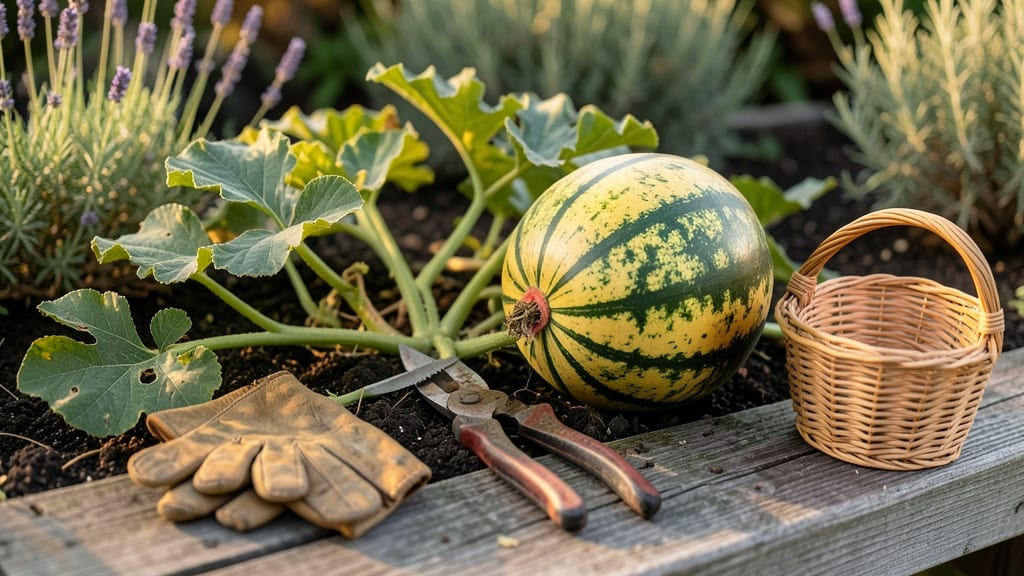
The ripe watermelon stem 🍉 is the secret to unlocking sweet, juicy fruit—if you know what to look for. Picture this: you’ve been waiting all summer, and now your watermelon is finally ready. But how do you tell if the…