I’ve always been the one digging in the dirt—whether it was planting sunflowers in my grandma’s backyard or coaxing life out of stubborn seeds in a too-small windowsill. There’s nothing quite like the quiet satisfaction of watching something you’ve nurtured grow, and I want to help others experience that joy. On *Weed And Feed*, I share the practical wisdom I’ve picked up over the years, from soil science to seasonal planting tips, all with a little humor and a lot of real-world honesty.
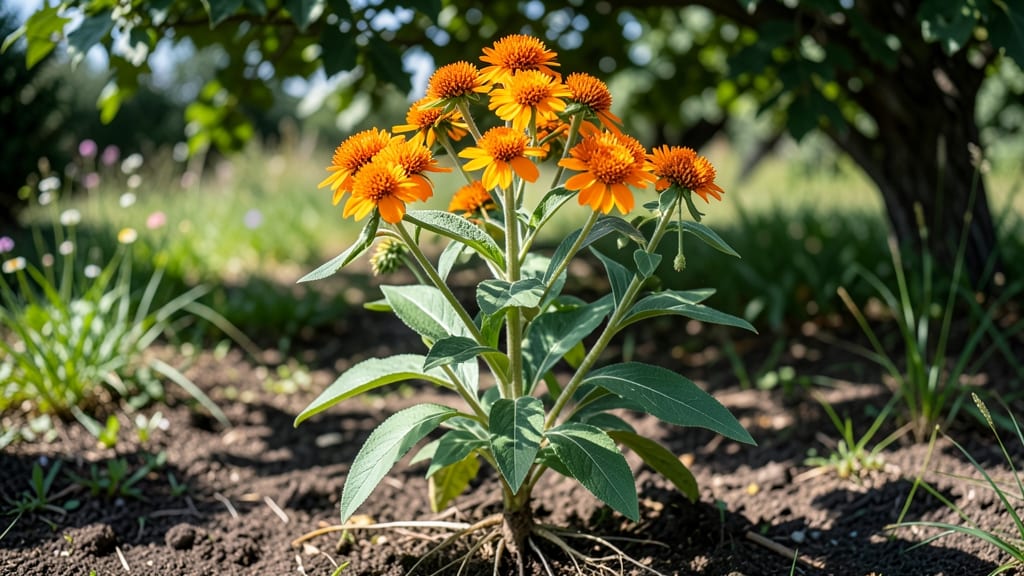
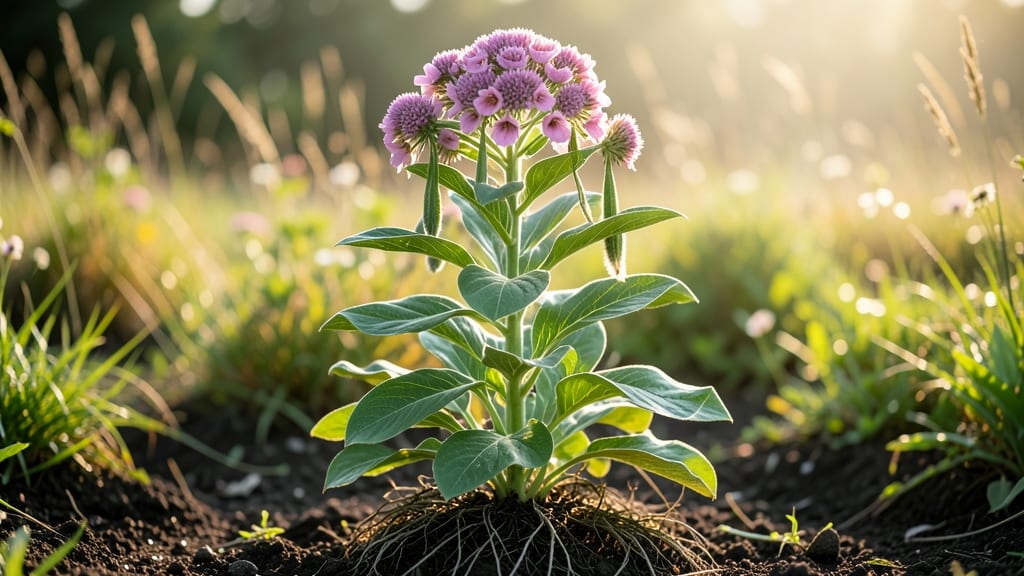
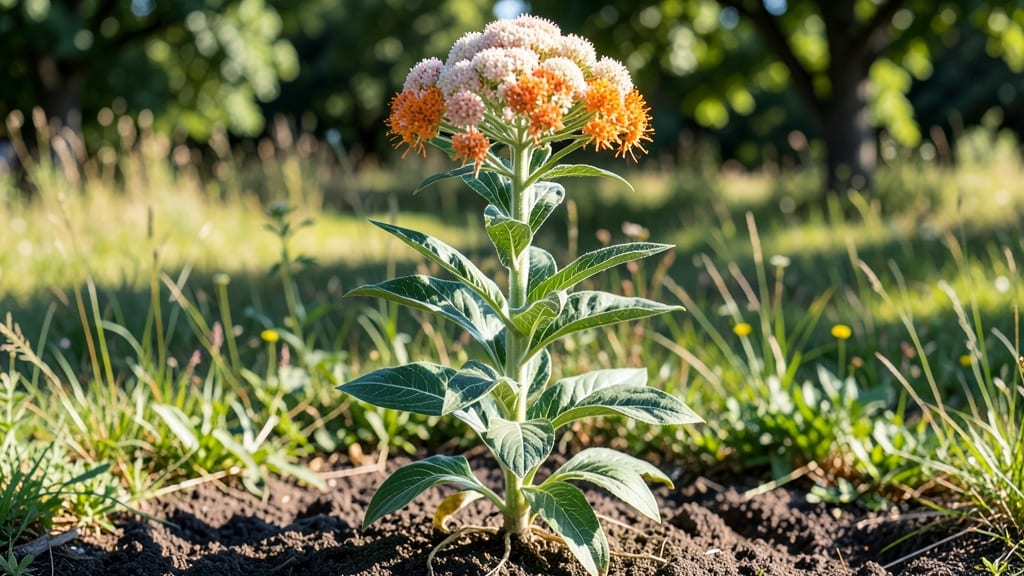
💥 Quick Answer Milkweed plants and butterflies share a vital relationship, especially with monarchs, as milkweed serves as their exclusive host plant for egg-laying and caterpillar feeding. Without it, monarch…
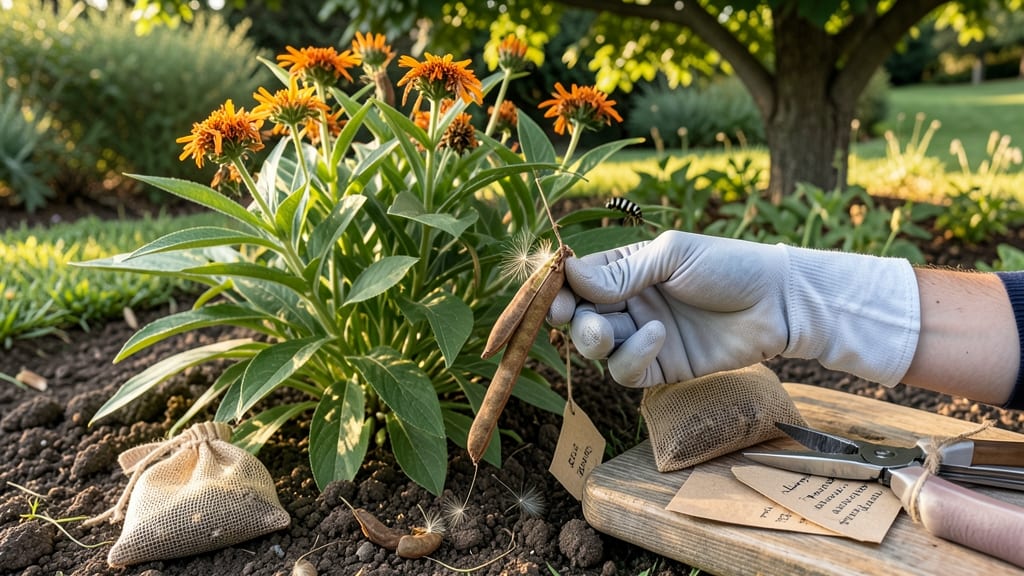
💥 Quick Answer Milkweed pods have diverse uses, including supporting monarch butterfly ecosystems, serving as natural dye sources, and offering edible applications in traditional medicine and cooking when properly…
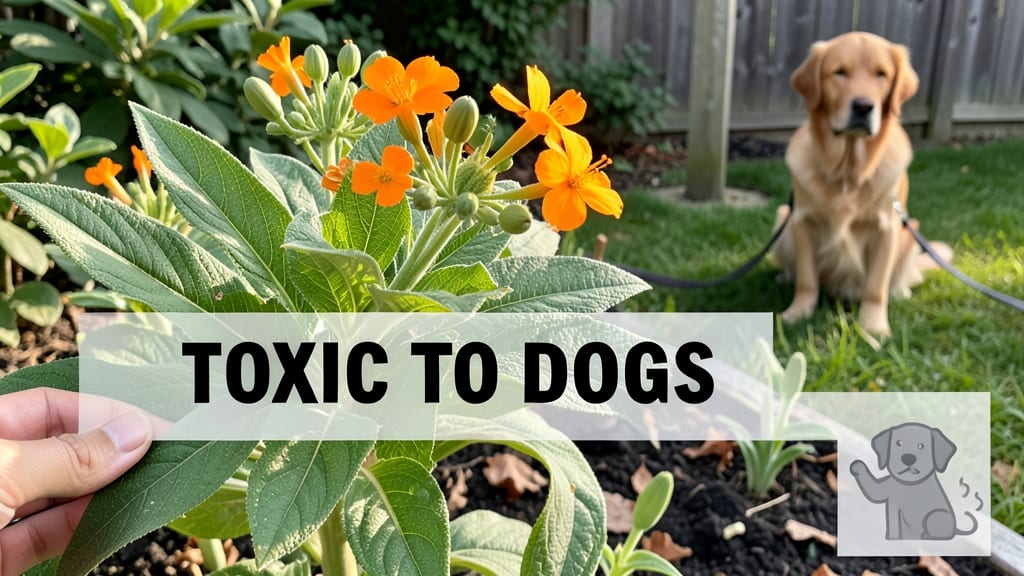
💥 Quick Answer Milkweed toxicity in dogs happens when they eat any part of the plant, triggering cardiac glycosides that disrupt heart rhythms and cause severe symptoms like vomiting or weakness. The risk depends on how…
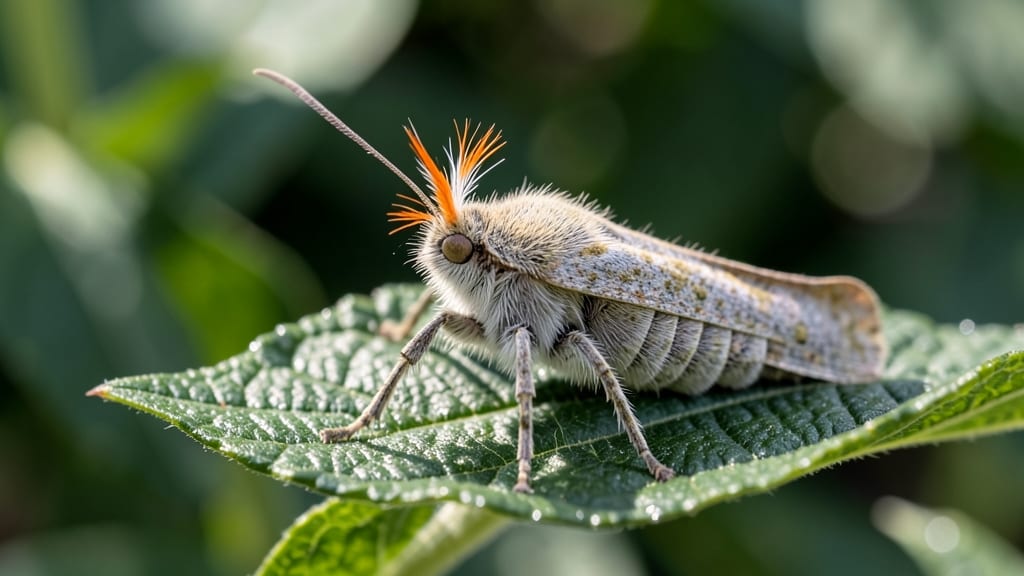
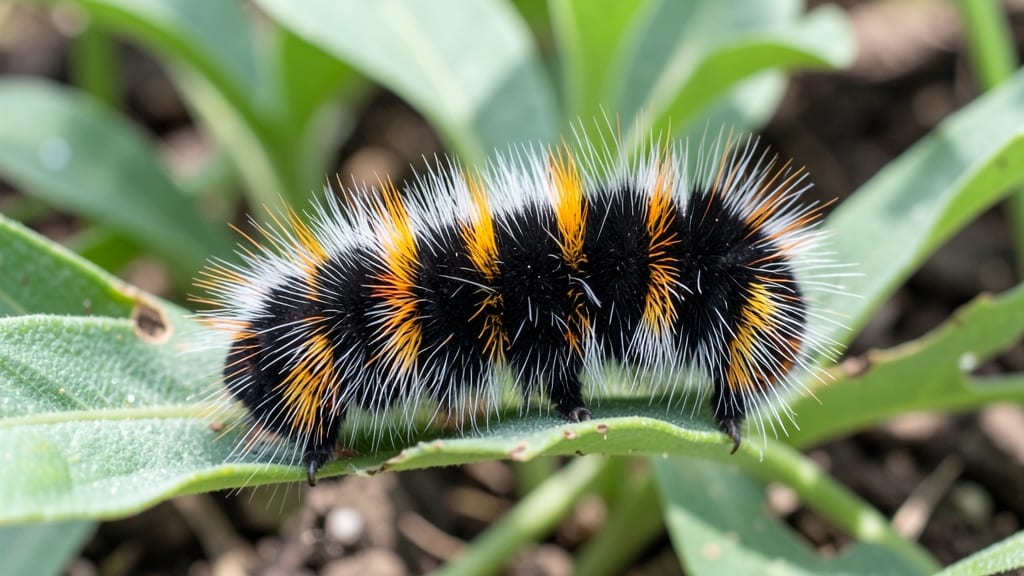
💥 Quick Answer Deciding whether the milkweed tussock moth is a friend or foe depends on the stage: its caterpillars devour milkweed leaves, stripping plants of their foliage, while adult moths contribute to pollination…
💥 Quick Answer Are milkweed tussock moths good or bad? They're generally harmful to gardens because their caterpillars strip milkweed leaves, disrupting monarch butterfly habitats. Unlike toxic monarch caterpillars…
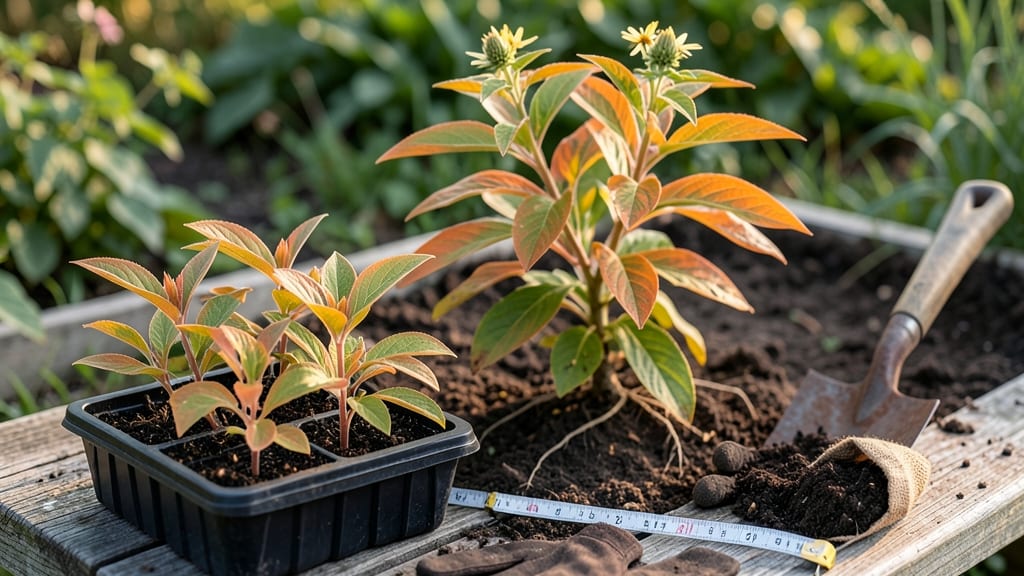
💥 Quick Answer To plant milkweed successfully, choose locations with full sun exposure, well-draining soil, and moderate moisture levels. This hardy plant thrives in USDA zones 3-10 and handles drought once established…
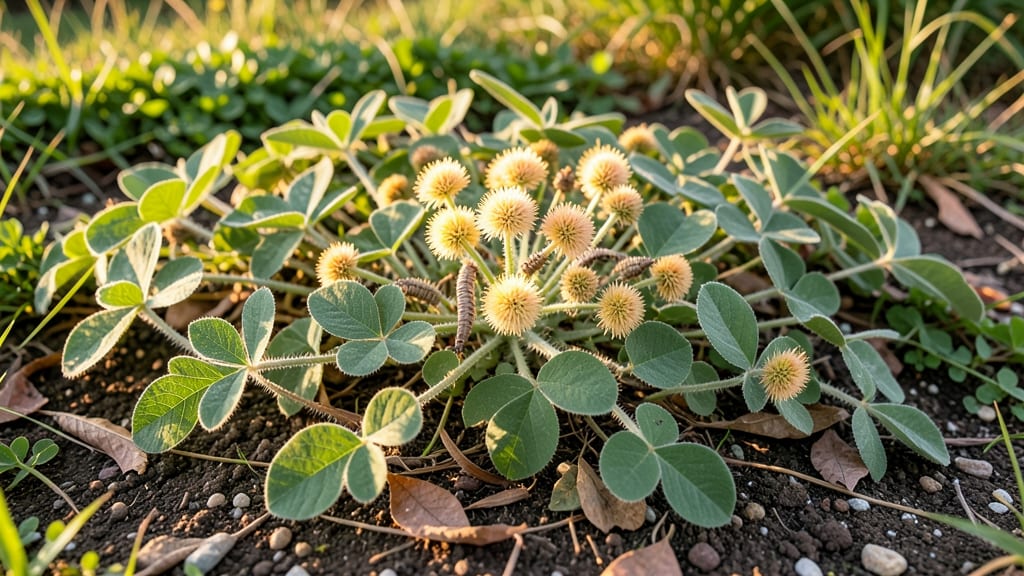
That "mimosa-looking weed" taking over your garden is likely invasive mimosa pudica—also called the "sensitive plant"—and it’s time to tackle it before spring. 🌱 I’ve wrestled with these fast-spreading invaders, and…
💥 Quick Answer Monarch butterflies depend entirely on milkweed for their survival, as female butterflies deposit eggs only on its leaves and caterpillars consume nothing but milkweed before pupating. This specialized…
💥 Quick Answer Seeing a monarch butterfly lay eggs on milkweed means you’re witnessing a vital moment for their survival, as milkweed is the only plant their caterpillars will eat—making your garden a lifeline for…
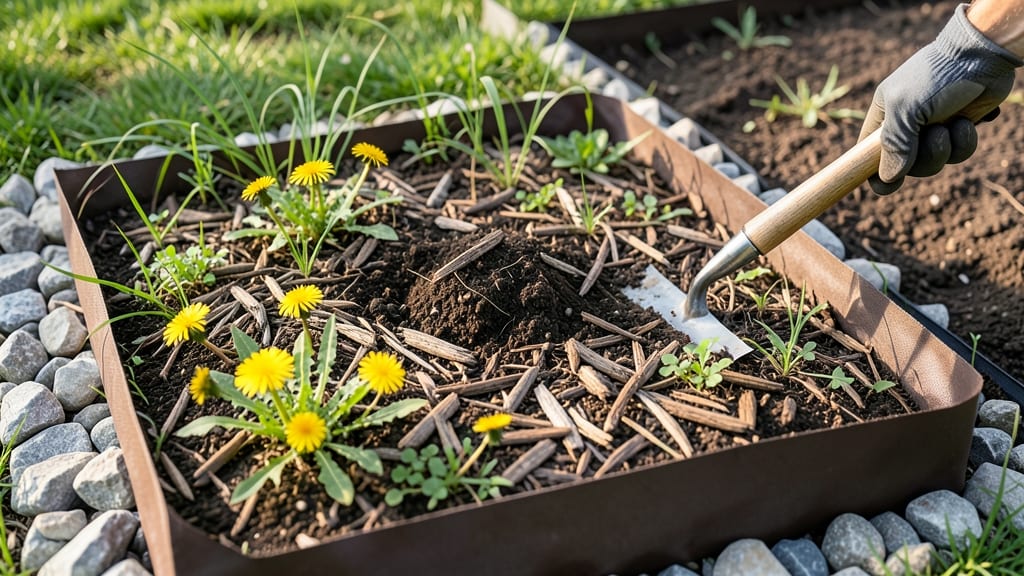
💥 Quick Answer Mulching effectively stops weeds by smothering sunlight to prevent seed germination, suffocating young weeds, and creating a physical barrier that disrupts their growth while maintaining soil moisture for…