I’ve always been the one digging in the dirt—whether it was planting sunflowers in my grandma’s backyard or coaxing life out of stubborn seeds in a too-small windowsill. There’s nothing quite like the quiet satisfaction of watching something you’ve nurtured grow, and I want to help others experience that joy. On *Weed And Feed*, I share the practical wisdom I’ve picked up over the years, from soil science to seasonal planting tips, all with a little humor and a lot of real-world honesty.
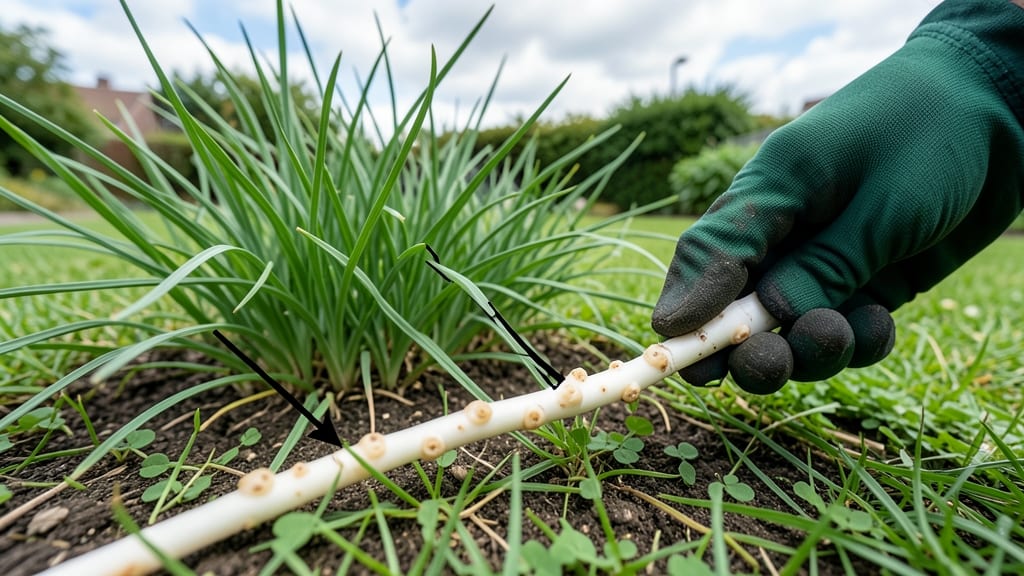
💥 Quick Answer Weeds with underground runners, such as Bermuda grass and creeping Charlie, multiply rapidly through horizontal stems called rhizomes or stolons. To stop their spread, you must dig deep to cut these roots…
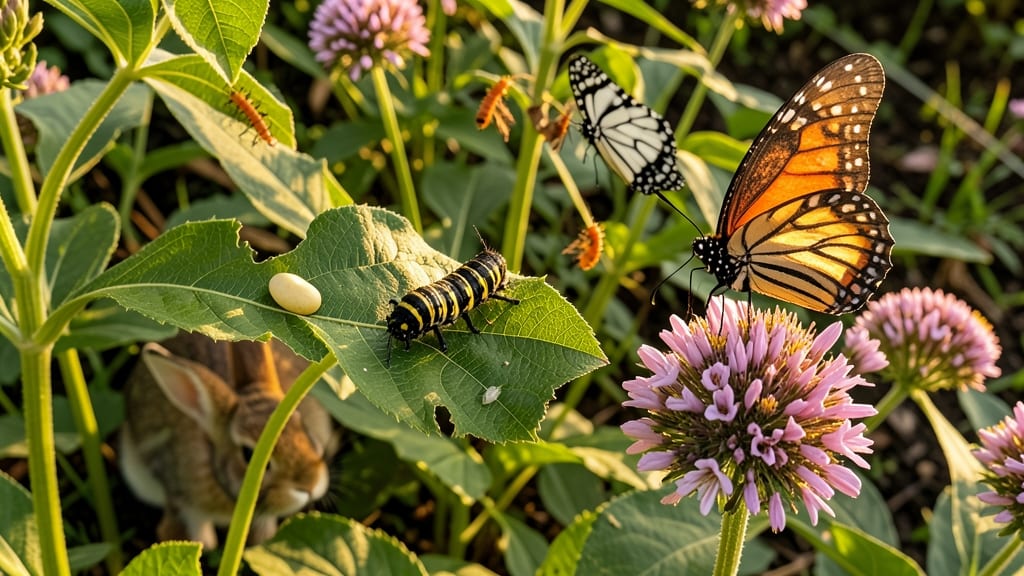
💥 Quick Answer Animals that eat milkweed include monarch butterflies, caterpillars, rabbits, deer, and some rodents, as its leaves and sap provide essential nutrients or toxins they’ve evolved to tolerate or avoid. The…
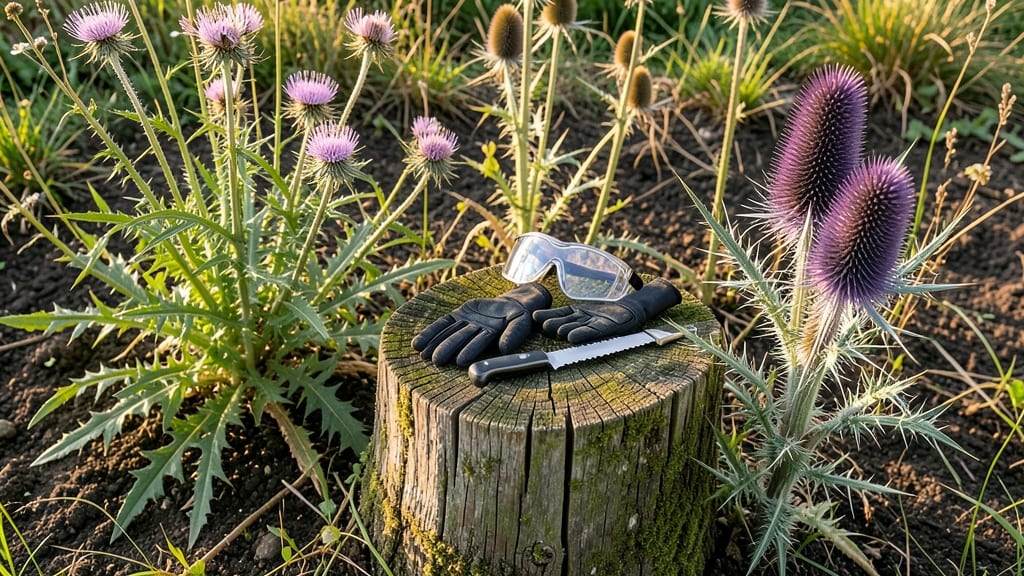
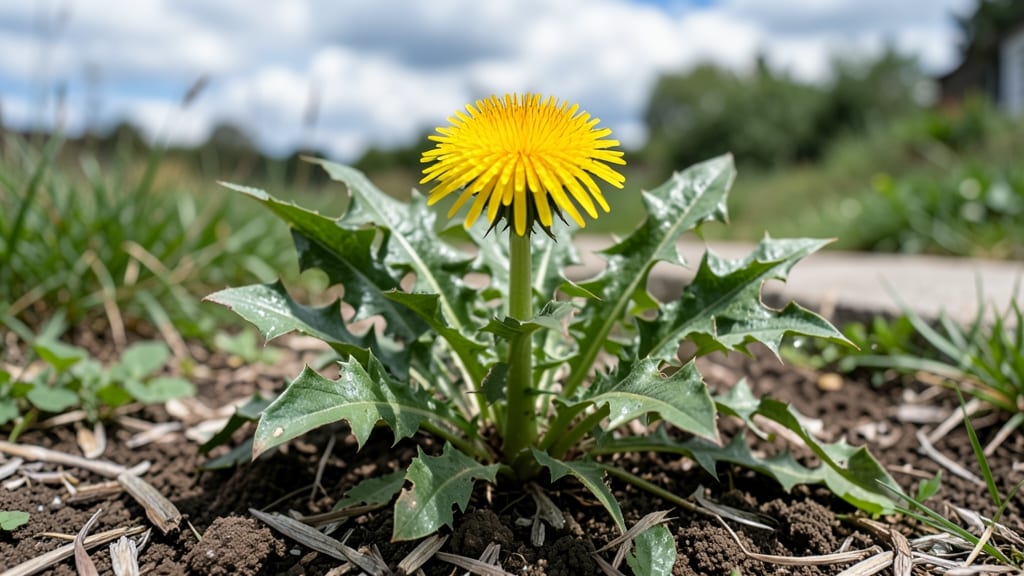
💥 Quick Answer Those spiky weeds you're seeing are most commonly called crabgrass , purslane , nettles , thistle , or dandelions , with each having distinct leaf shapes and seed structures that help you tell them apart…
💥 Quick Answer Butterfly eggs on milkweed look like tiny yellow dots about the size of a pinhead, often found in small clusters on the underside of leaves. Monarch eggs are perfectly round and smooth, while other…
💥 Quick Answer Non-selective weed killers kill any plant they touch—grass, flowers, shrubs, and trees—by disrupting essential cellular functions like photosynthesis. These heavy-duty chemicals excel at clearing…
💥 Quick Answer A hermaphrodite weed plant looks like it has both male and female reproductive parts, often showing small round pollen sacs (pistils) alongside long, thin pollen sacs (stamens) on the same bud or branch…
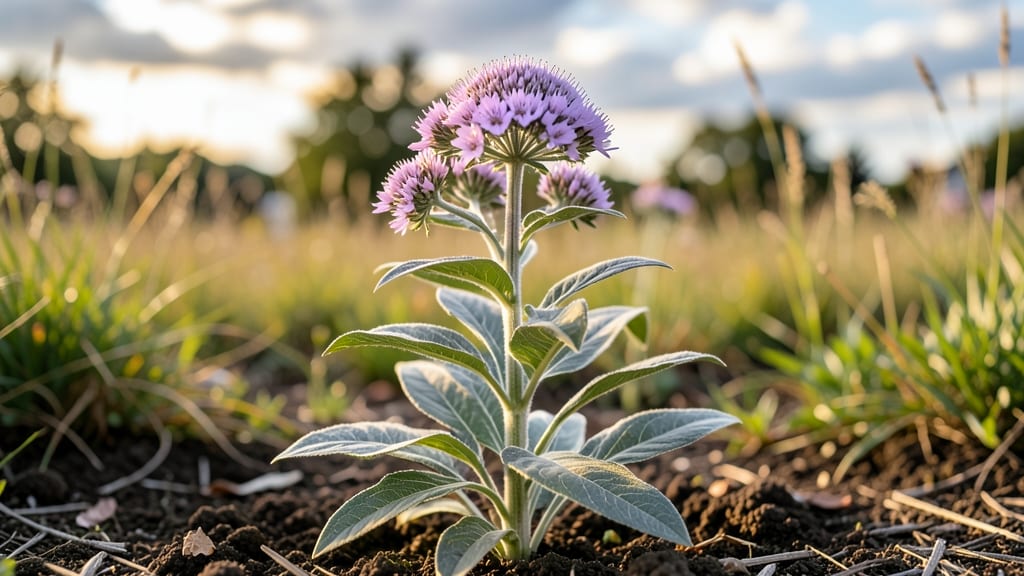
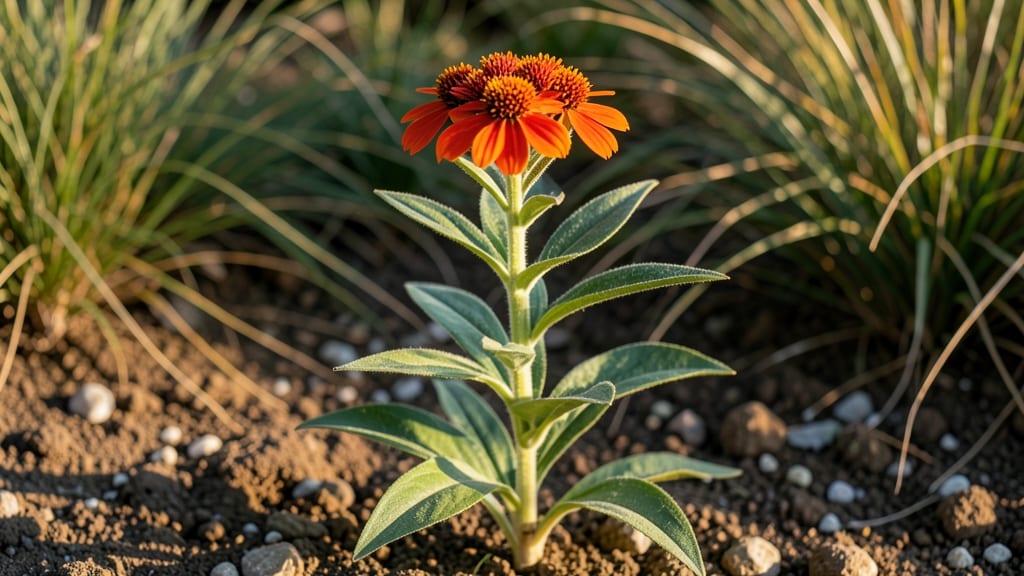
💥 Quick Answer A milkweed plant looks like a tall, fuzzy-stemmed perennial with broad, oval leaves and showy clusters of pink, purple, or white blooms. Its signature spiky seed pods burst open to release fluffy white…
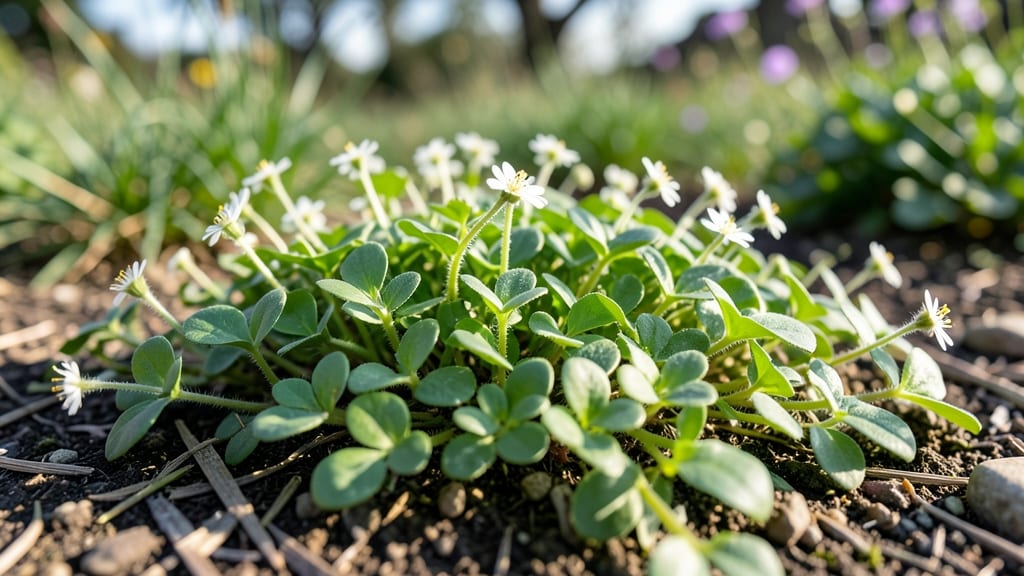
💥 Quick Answer Common chickweed looks like a sprawling ground cover with tiny oval leaves that have smooth, slightly glossy surfaces, supported by weak stems that spread across the soil. The plant produces clusters of…
💥 Quick Answer Pokeweed rash looks like clusters of small, fluid-filled blisters on red, inflamed skin, often forming straight-line patterns where the plant sap made contact. Unlike poison ivy, it starts with intense…
💥 Quick Answer Weeding means removing unwanted plants—like grasses, dandelions, or clover—from your garden or lawn to protect desired crops, improve soil health, and prevent competition for nutrients and sunlight. It’s…