I’ve always been the one digging in the dirt—whether it was planting sunflowers in my grandma’s backyard or coaxing life out of stubborn seeds in a too-small windowsill. There’s nothing quite like the quiet satisfaction of watching something you’ve nurtured grow, and I want to help others experience that joy. On *Weed And Feed*, I share the practical wisdom I’ve picked up over the years, from soil science to seasonal planting tips, all with a little humor and a lot of real-world honesty.
💥 Quick Answer Yes, American burnweed is poisonous because it contains high levels of pyrrolizidine alkaloids (PAs), which can damage your liver and cause serious health problems if you touch it or eat any part of the…
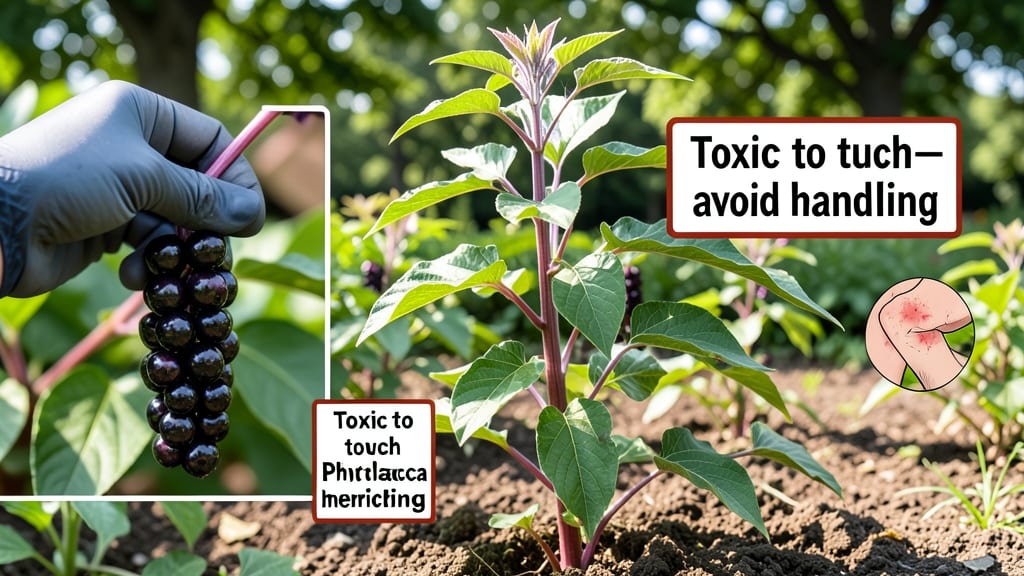
💥 Quick Answer Yes, the American pokeweed is poisonous to touch because its sap and berries contain phytochemicals like phytolaccatoxin, which trigger skin irritation, rashes, or allergic reactions. Always wear gloves…
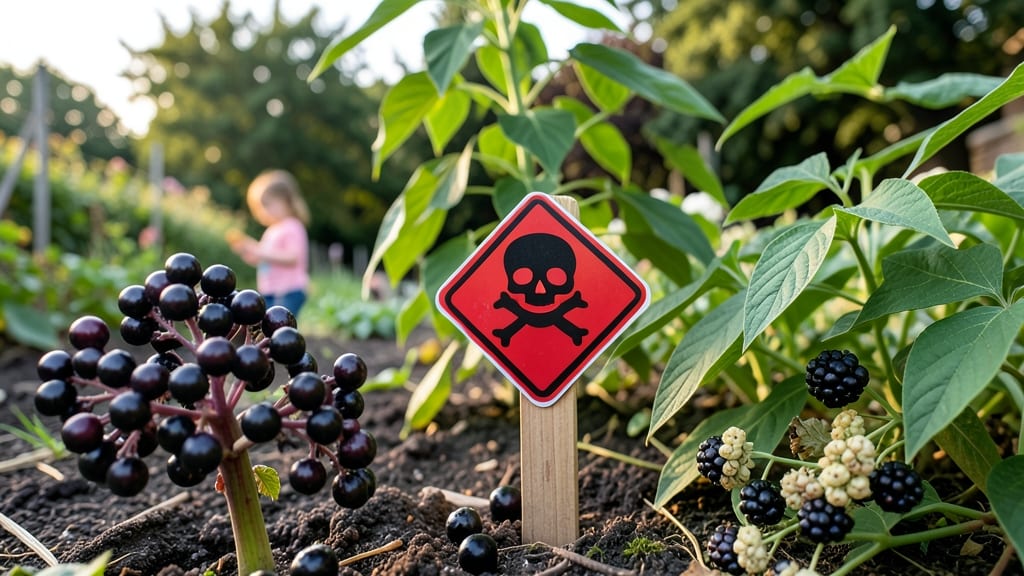
💥 Quick Answer American pokeweed is poisonous throughout the plant, containing dangerous compounds like phytolaccatoxin that trigger severe vomiting, diarrhea, and organ damage if consumed. Even skin contact can cause…
💥 Quick Answer Arugula isn't a weed—it's a cultivated leafy green with a peppery kick and high nutritional value, though its aggressive self-seeding can make it act like one in gardens if you don't manage it properly…
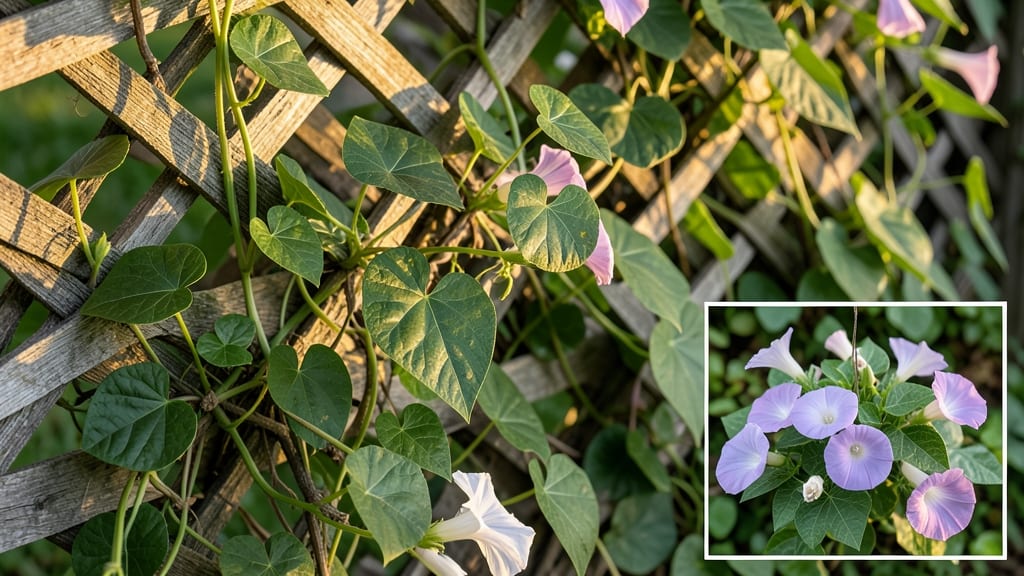
💥 Quick Answer Bindweed and morning glory are not the same plant, though both are aggressive vines: bindweed (Convolvulus arvensis) features heart-shaped leaves and deep underground rhizomes, while morning glory…
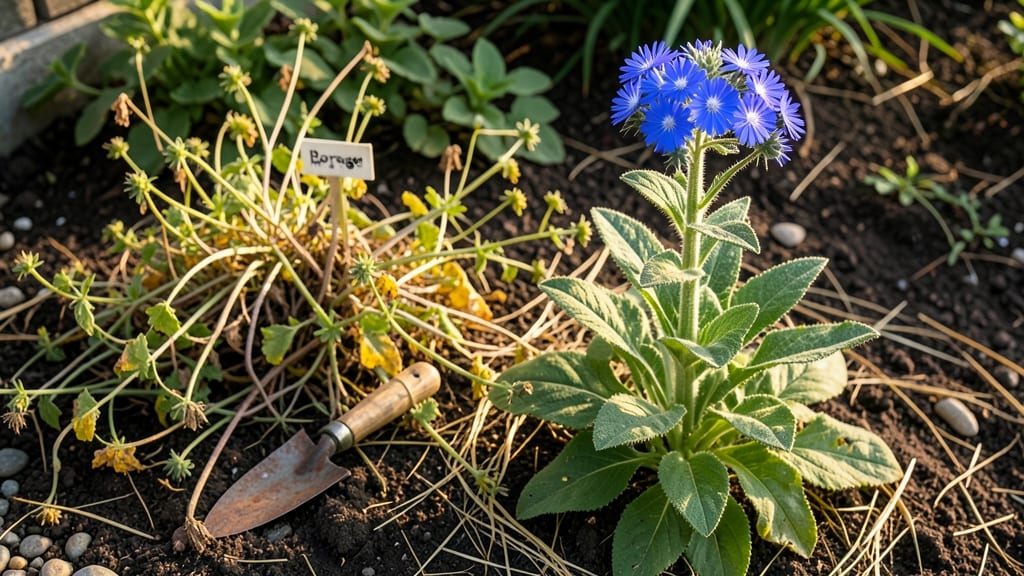
💥 Quick Answer Borage isn't a weed—it's a fast-growing, beneficial herb that gardeners often mistake for one because of its sprawling growth and self-seeding behavior. This edible plant offers both culinary and…
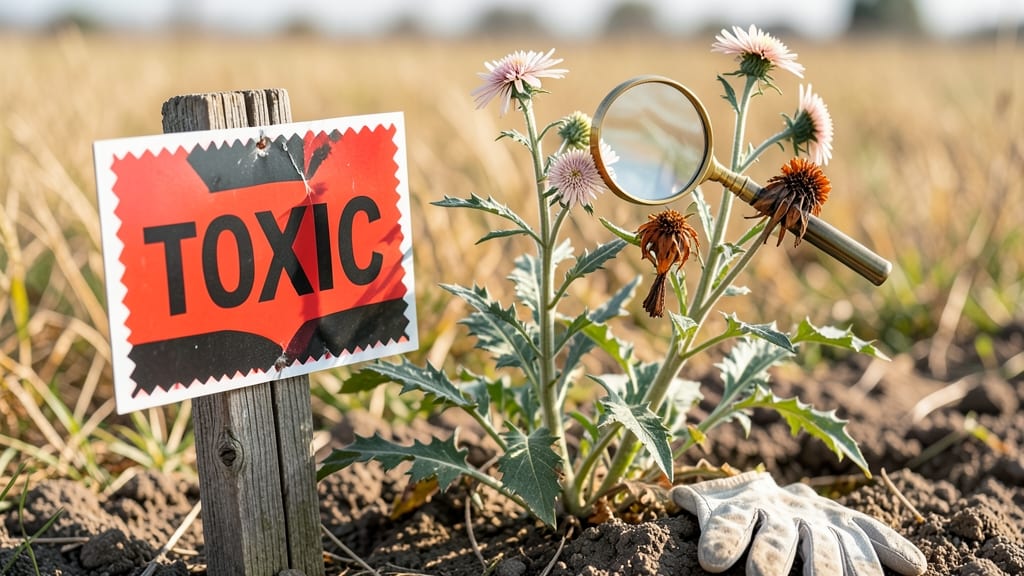
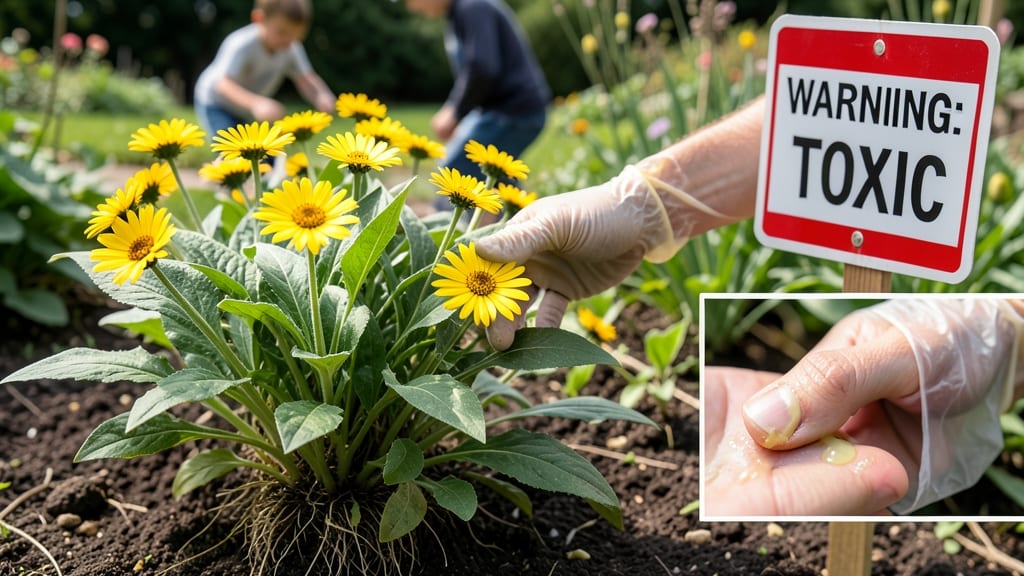
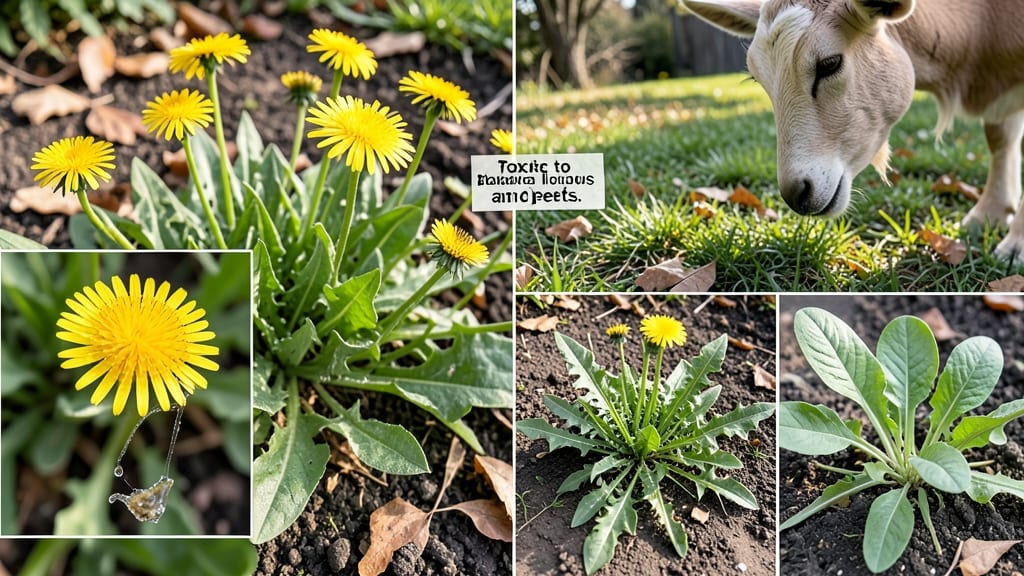
💥 Quick Answer This butterweed is poisonous to touch and can cause skin irritation, rashes, and allergic reactions in sensitive individuals due to its toxic milky sap containing sesquiterpene lactones. Always wear…
💥 Quick Answer Butterweed is poisonous because it contains toxic compounds like sesquiterpene lactones, which can cause severe skin irritation, gastrointestinal distress, or allergic reactions in humans and livestock…
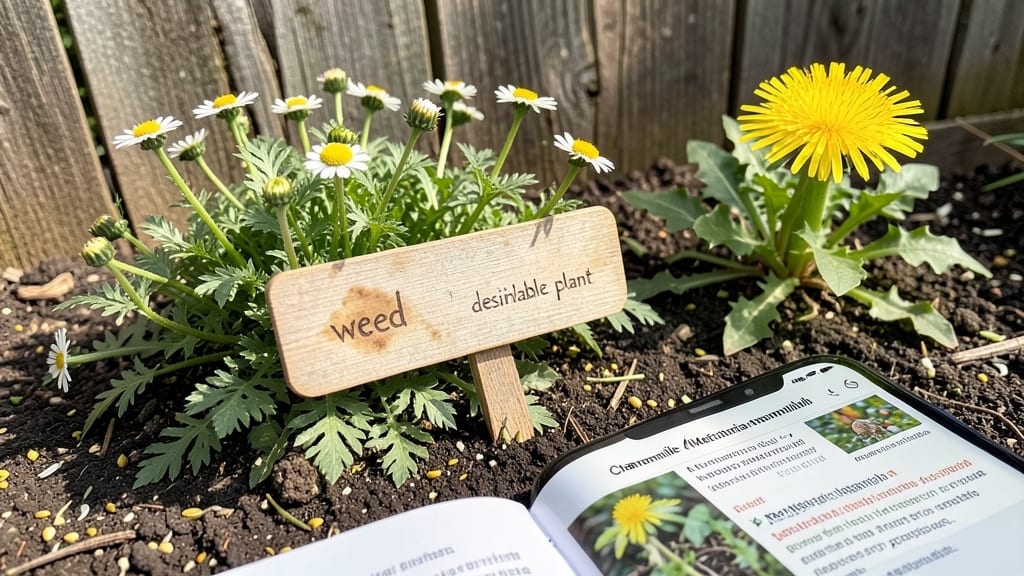
💥 Quick Answer Chamomile is not a weed but a beneficial flowering plant often classified as a wildflower or herb, prized for its medicinal properties and ornamental appeal in gardens. Chamomile's classification as a…
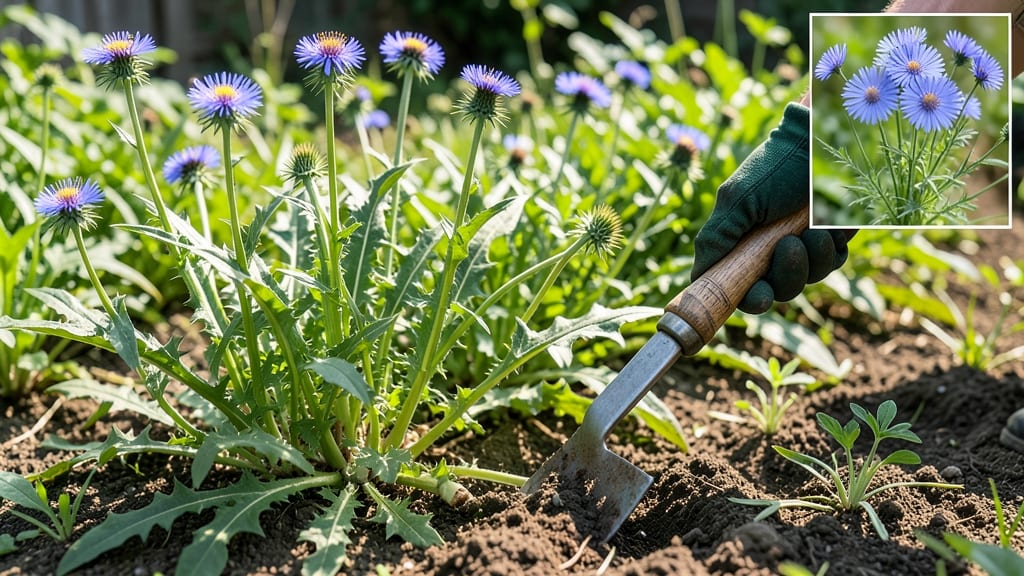
💥 Quick Answer Chicory is not a weed but a cultivated perennial plant valued for its edible roots, leaves, and flowers, even though its hardy growth can dominate garden spaces if left unchecked. Chicory's reputation as…