I’ve always been the one digging in the dirt—whether it was planting sunflowers in my grandma’s backyard or coaxing life out of stubborn seeds in a too-small windowsill. There’s nothing quite like the quiet satisfaction of watching something you’ve nurtured grow, and I want to help others experience that joy. On *Weed And Feed*, I share the practical wisdom I’ve picked up over the years, from soil science to seasonal planting tips, all with a little humor and a lot of real-world honesty.
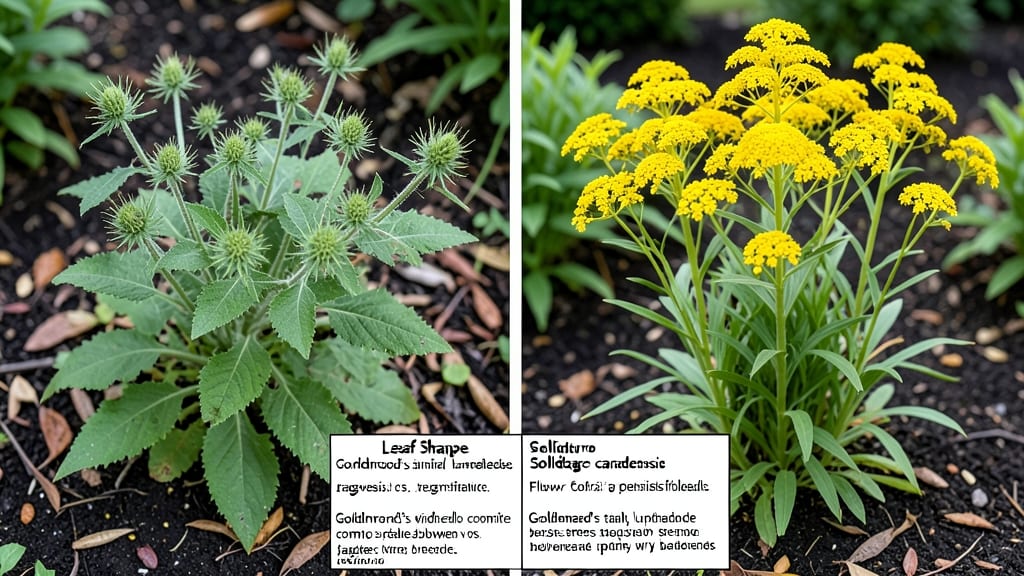
💥 Quick Answer Goldenrod and ragweed are not the same plant: goldenrod features bright yellow flowers that attract bees and butterflies, while ragweed produces greenish blooms that spread pollen causing seasonal…
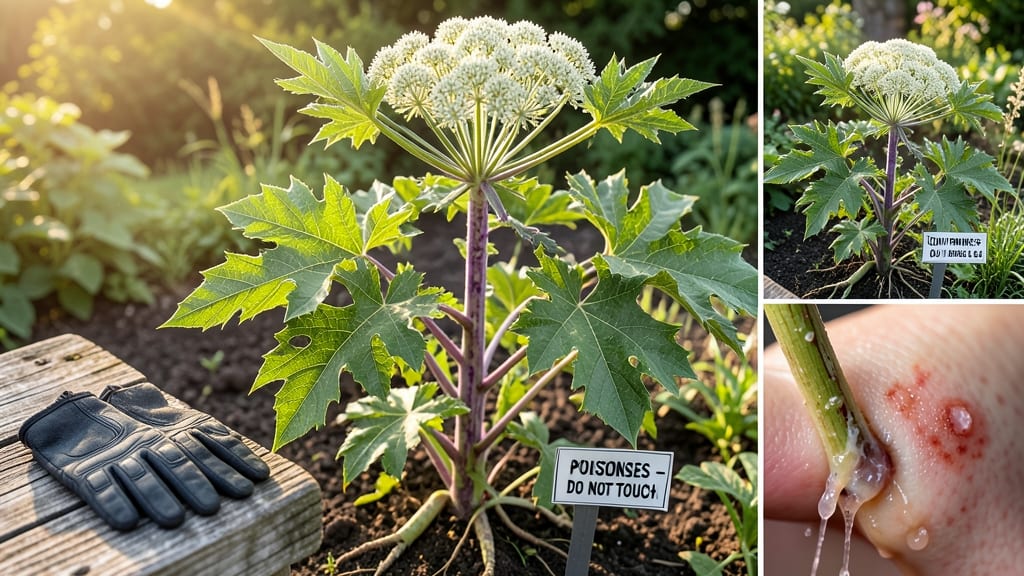
💥 Quick Answer Yes, hogweed is poisonous because its sap contains toxic chemicals that cause painful skin reactions when exposed to sunlight. Giant hogweed, in particular, triggers phytophotodermatitis—a severe burn…
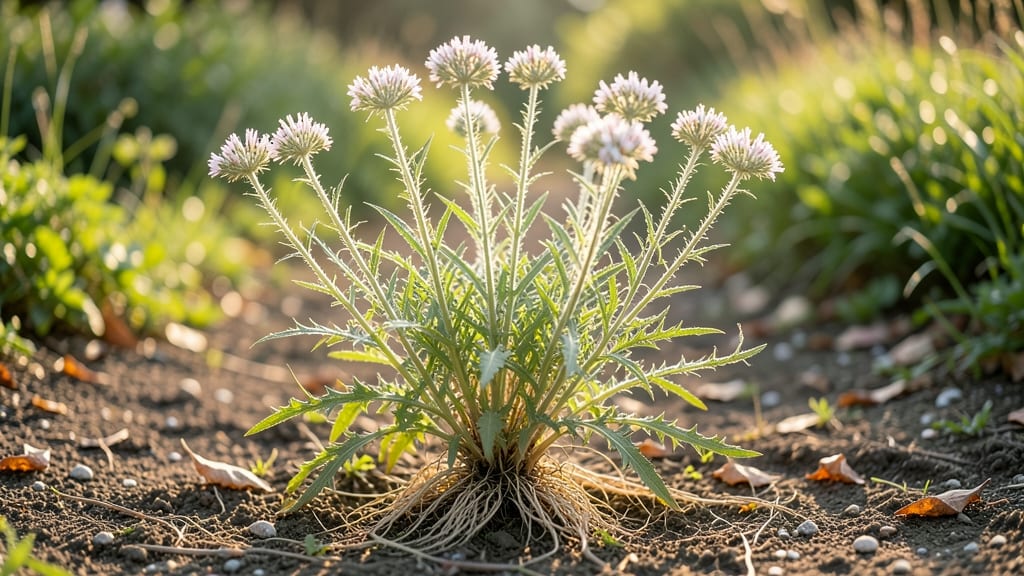
💥 Quick Answer Horseweed is not edible and poses serious toxicity risks, containing pyrrolizidine alkaloids (PAs) that can cause liver damage, neurological issues, and even death in severe cases. Avoid consuming any…
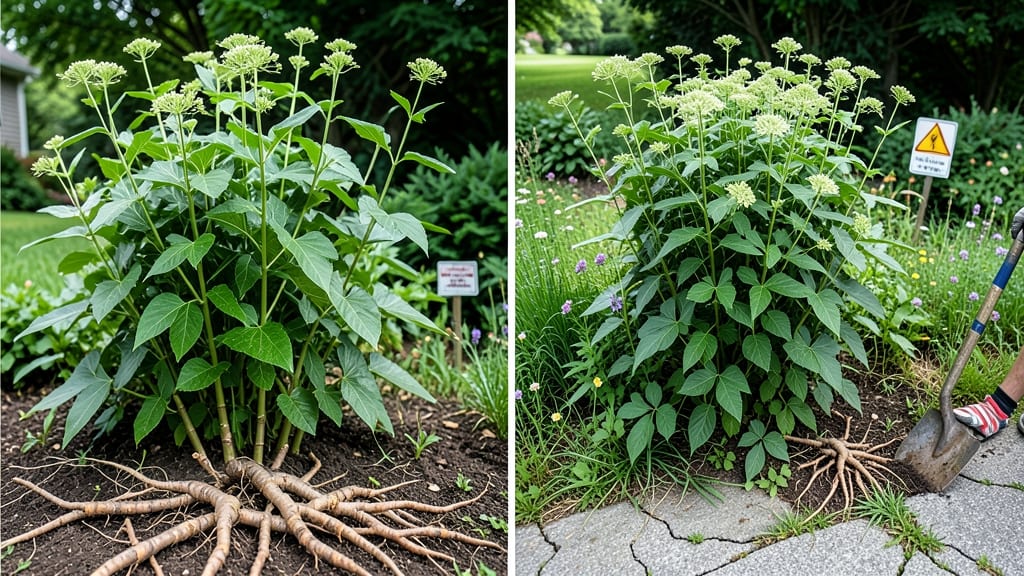
💥 Quick Answer Japanese knotweed is harmful because it spreads aggressively, damages foundations, drains soil nutrients, and is illegal to plant or dispose of improperly in many regions, including the UK and parts of…
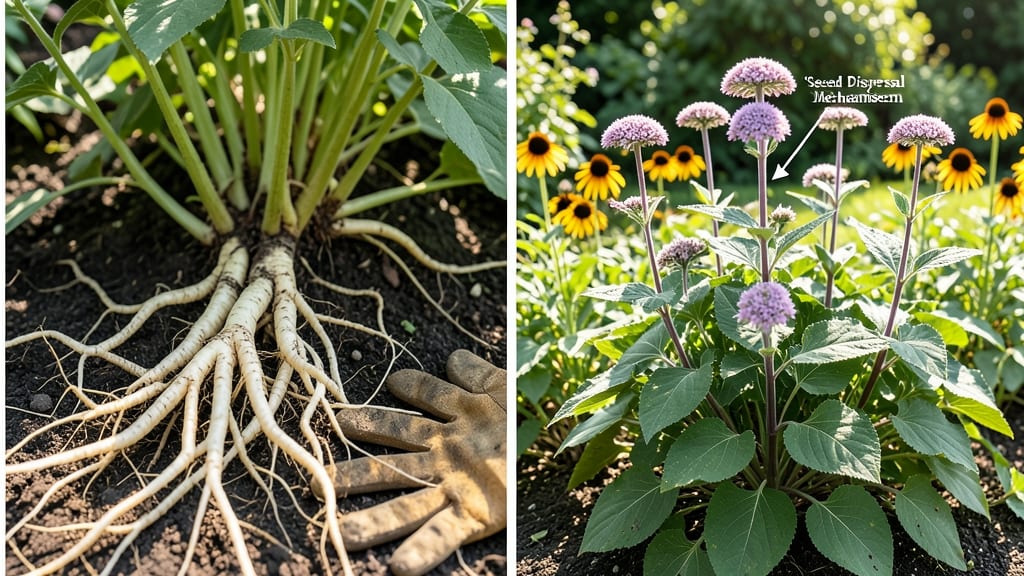
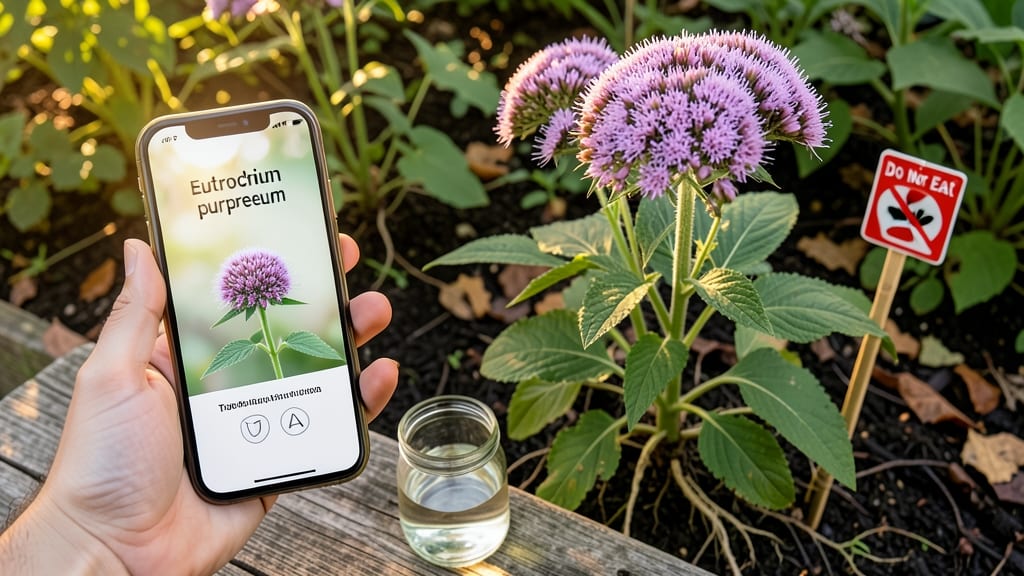
💥 Quick Answer Joe Pye weed isn't typically classified as invasive, but it can multiply rapidly in moist, undisturbed areas. While it rarely crowds out native plants, its dense growth may require occasional garden…
💥 Quick Answer Joe Pye weed is not toxic to humans or pets, though its milky sap may irritate sensitive skin. While generally safe, excessive consumption of its roots was historically used medicinally but can cause mild…
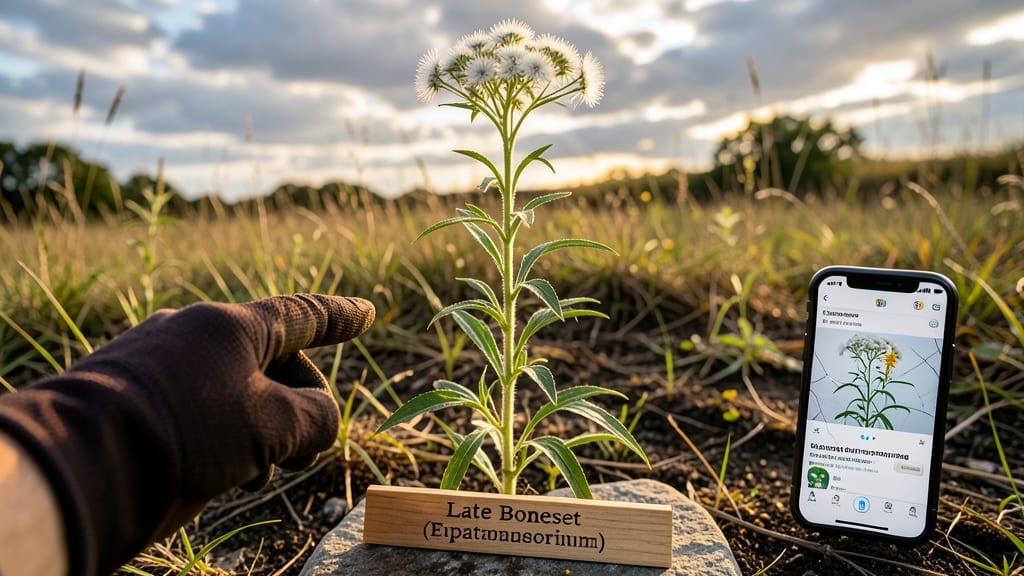
💥 Quick Answer Late boneset is not a weed—it's a native wildflower that thrives in wetlands and meadows, offering critical support for pollinators and soil health. Its clumping growth and seasonal blooms make it a…
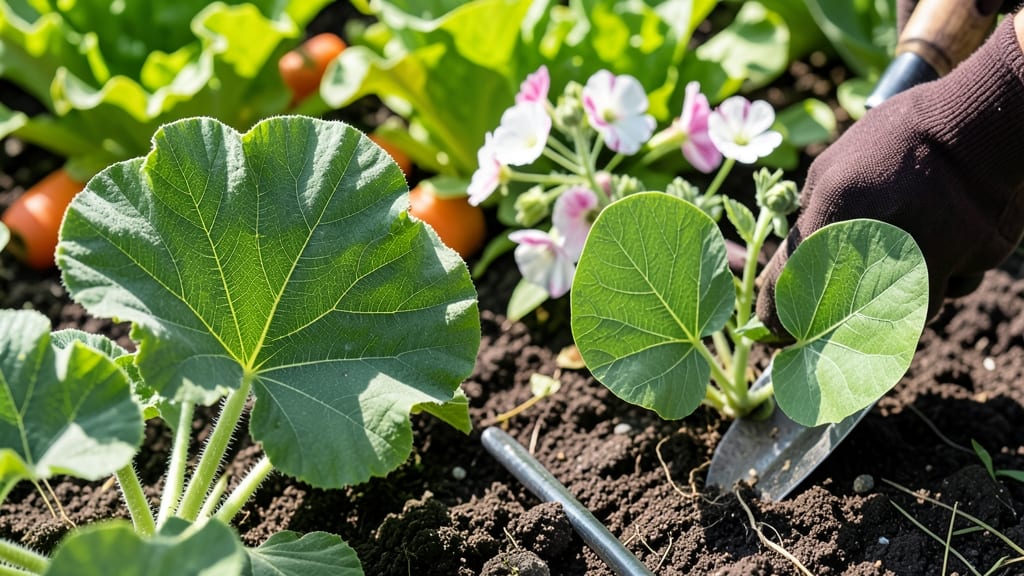
💥 Quick Answer Mallow isn't a weed—it's a hardy, beneficial plant with edible leaves and roots that gardeners often confuse with invasive species. Varieties like common mallow provide culinary and medicinal benefits…
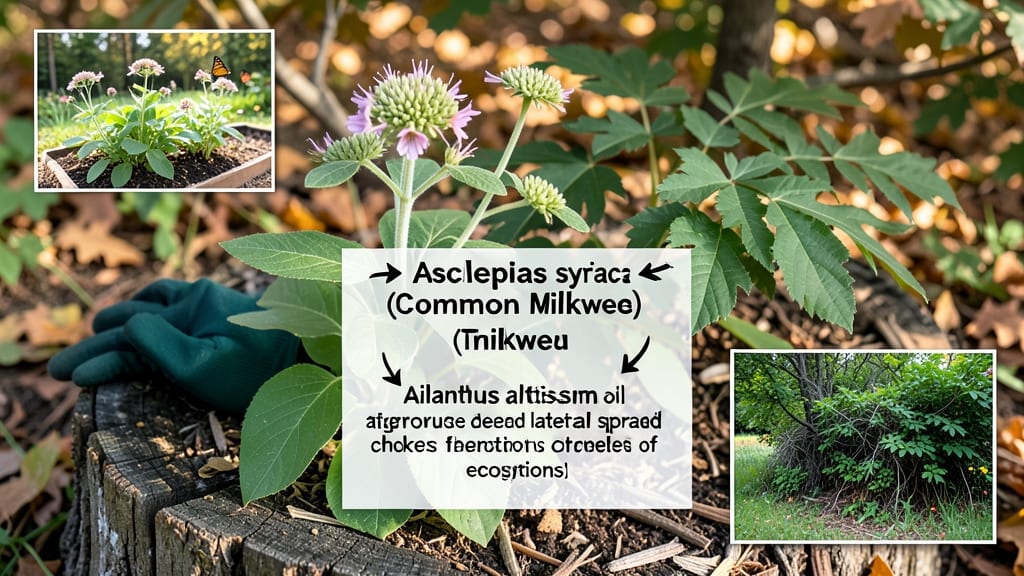
💥 Quick Answer Milkweed isn't considered invasive in most parts of the country, though it can become overly aggressive in specific climates like the Southeast and Midwest, where it multiplies quickly and may crowd out…
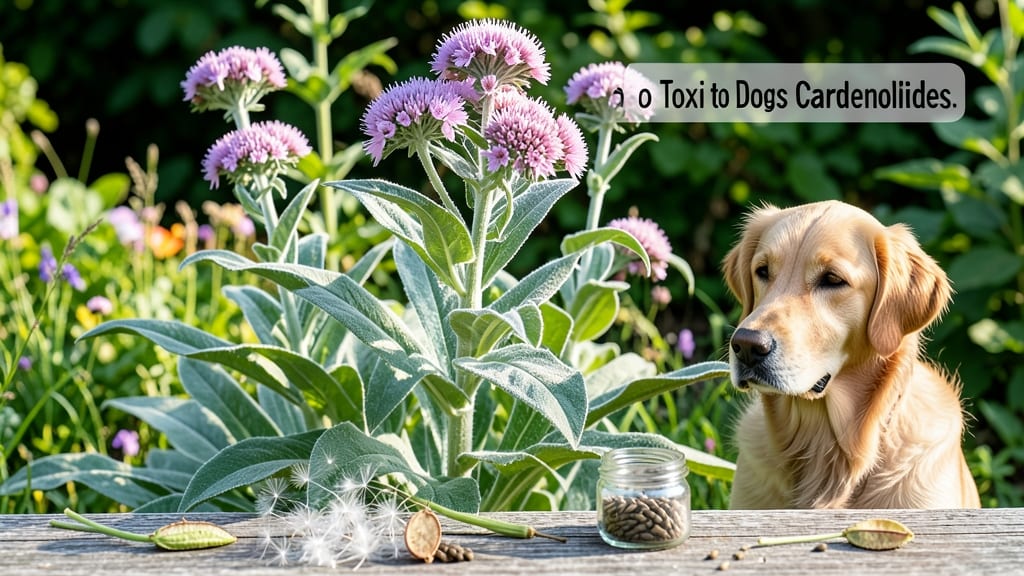
💥 Quick Answer Milkweed plants are poisonous to dogs, containing cardiac glycosides like ouabain that can cause vomiting, diarrhea, and abnormal heart rhythms if ingested. Even small amounts may trigger severe…