I’ve always been the one digging in the dirt—whether it was planting sunflowers in my grandma’s backyard or coaxing life out of stubborn seeds in a too-small windowsill. There’s nothing quite like the quiet satisfaction of watching something you’ve nurtured grow, and I want to help others experience that joy. On *Weed And Feed*, I share the practical wisdom I’ve picked up over the years, from soil science to seasonal planting tips, all with a little humor and a lot of real-world honesty.
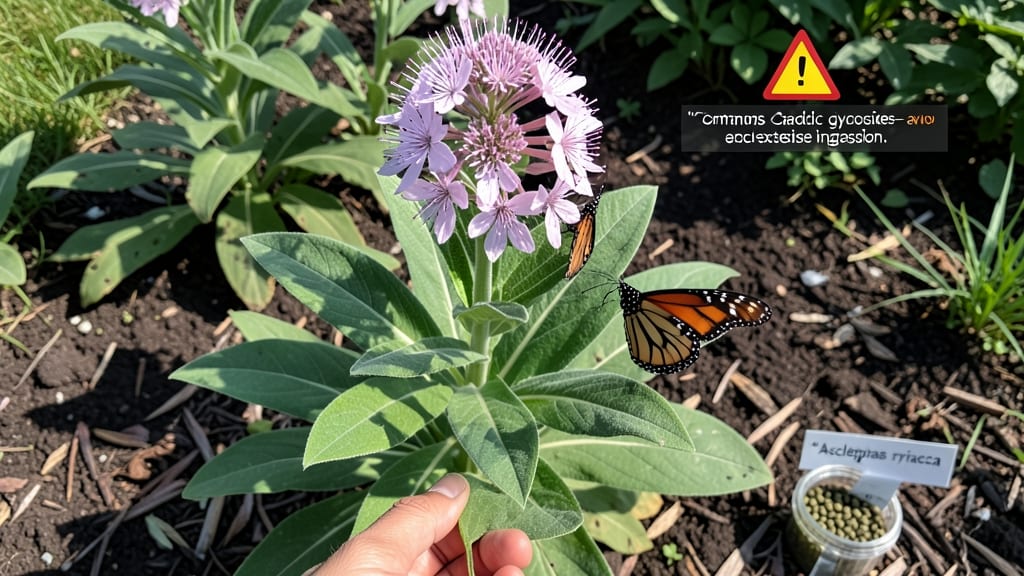
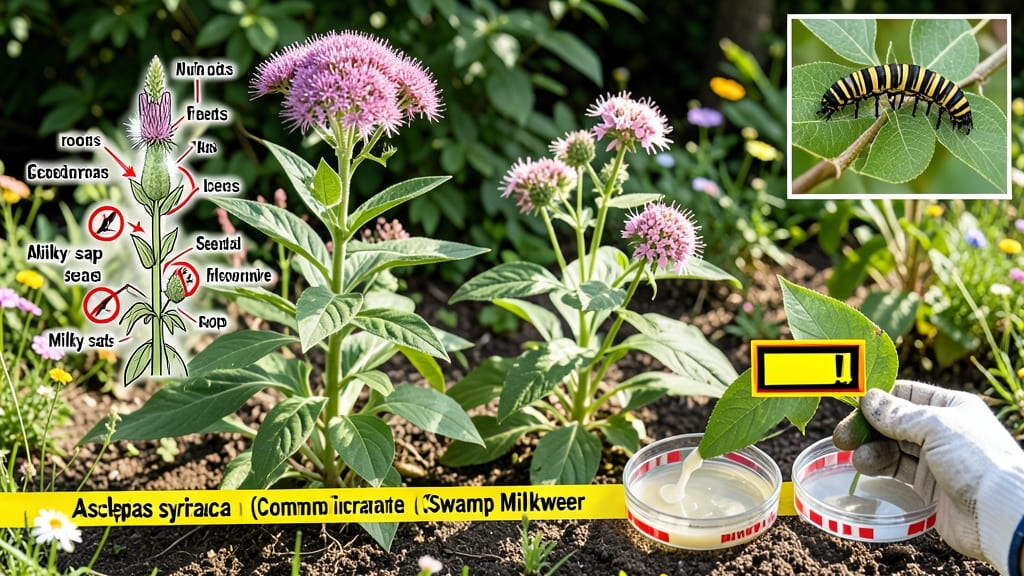
💥 Quick Answer Milkweed is poisonous to humans when ingested, containing cardiac glycosides like ouabain that can cause nausea, vomiting, and irregular heartbeats. Touching it may irritate skin, but direct ingestion is…
💥 Quick Answer Milkweed is toxic to humans when ingested, containing cardiac glycosides like ouabain that can cause nausea, vomiting, or irregular heartbeat. Skin contact may irritate sensitive individuals, but proper…
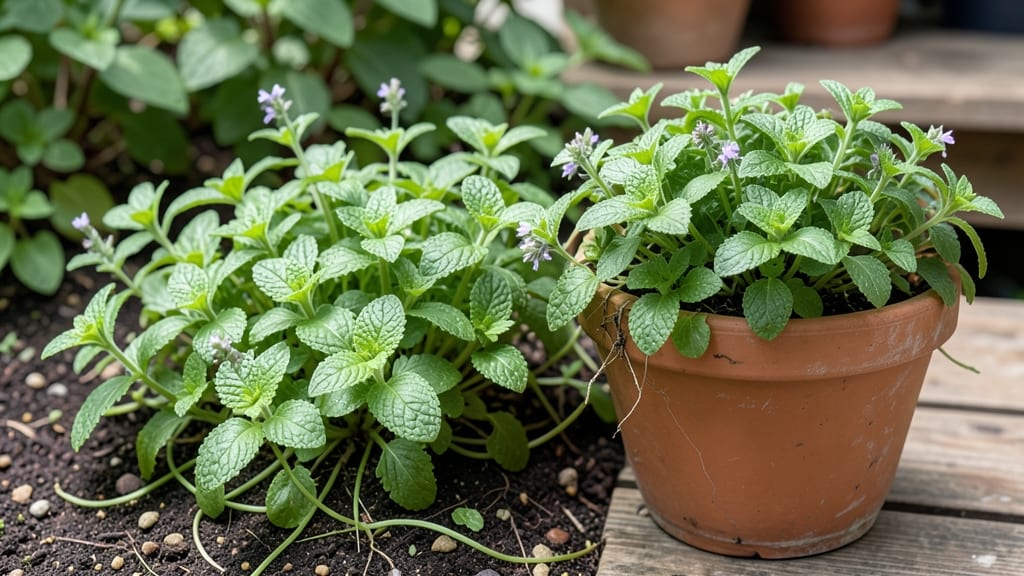
💥 Quick Answer Mint isn't a weed but a cultivated perennial herb valued for its flavor, fragrance, and health benefits—its rapid growth and spreading roots, however, often lead gardeners to treat it like one. Mint…
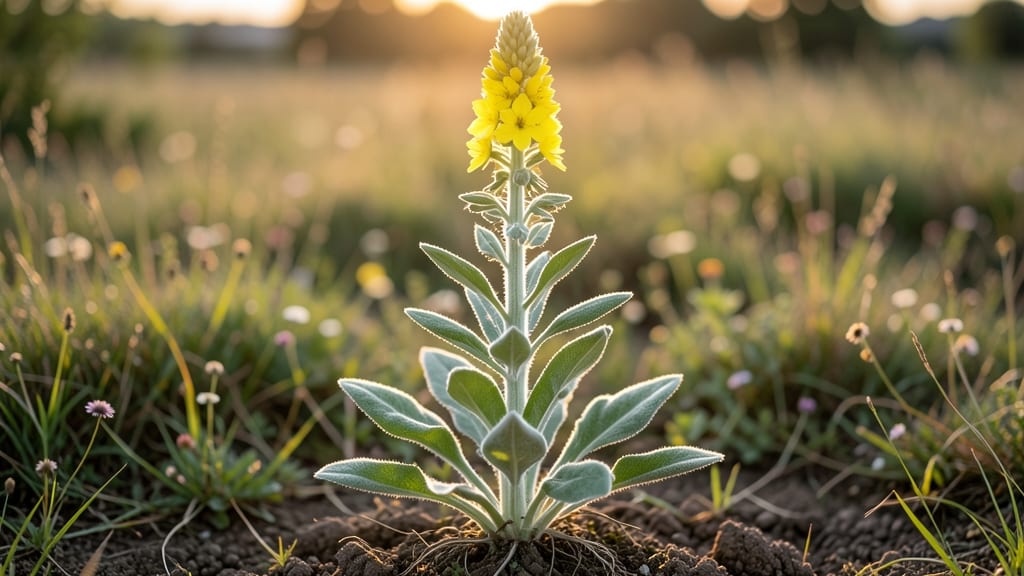
💥 Quick Answer Mullein is not a weed—it’s a hardy, beneficial wildflower often prized in gardens for its medicinal properties, pollinator support, and drought tolerance, though its fast growth can sometimes overwhelm…
💥 Quick Answer The mullein plant isn't classified as a weed botanically, though gardeners often treat it like one because of its fast-spreading nature and tendency to dominate garden beds through prolific self-seeding…
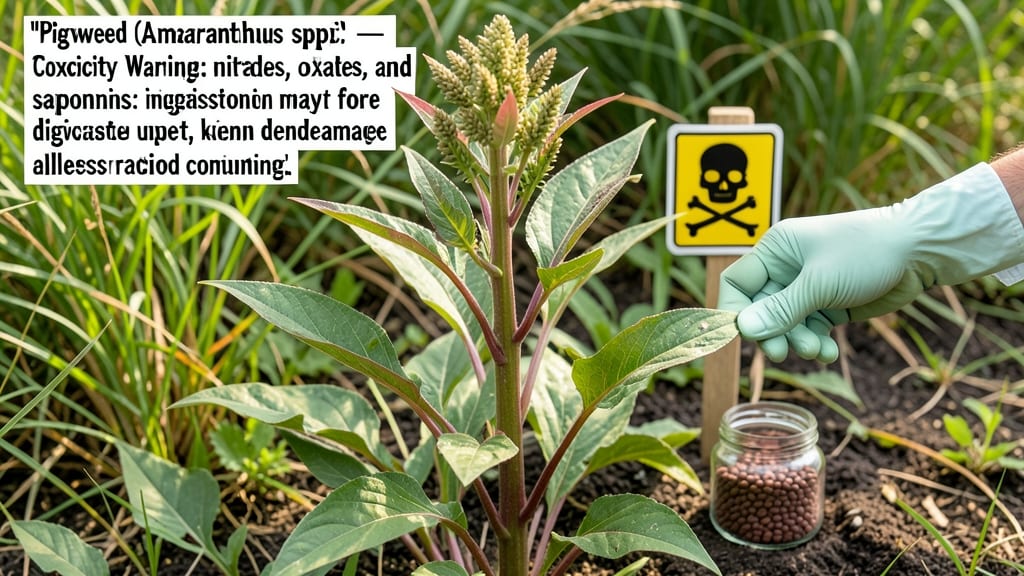
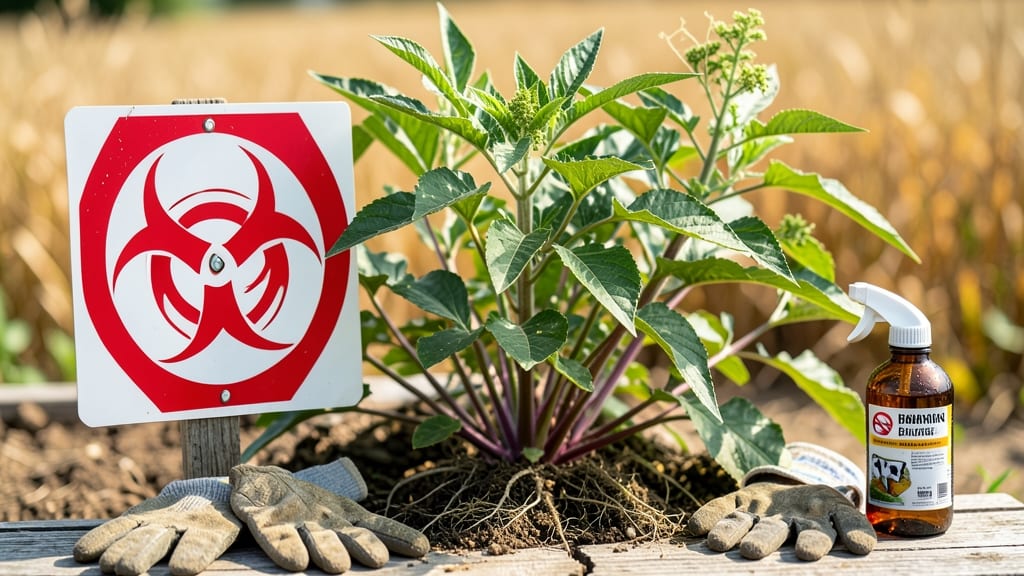
💥 Quick Answer Pigweed is not inherently poisonous to humans, but its oxalate content can cause mild digestive upset or kidney irritation in large amounts. Rare allergic reactions may occur with direct contact or…
💥 Quick Answer Yes, pigweed is poisonous to humans and pets, containing oxalates and saponins that can cause skin irritation, digestive upset, or allergic reactions when ingested or handled improperly. Always wear…
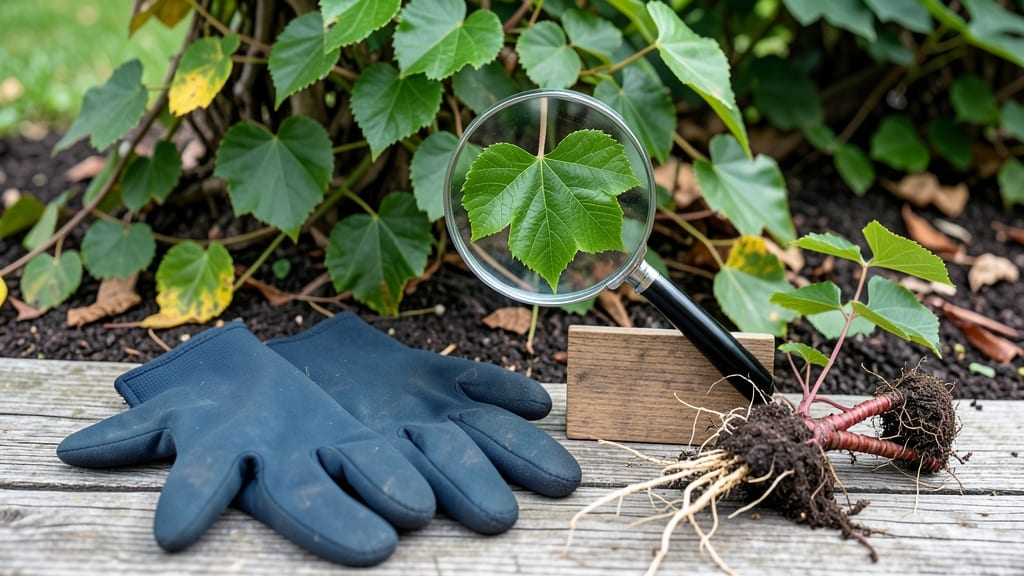
💥 Quick Answer Poison ivy isn't classified as a weed—it's a toxic vine or shrub from the cashew family that spreads aggressively, though its woody structure and toxic oils set it apart from true weeds botanically…
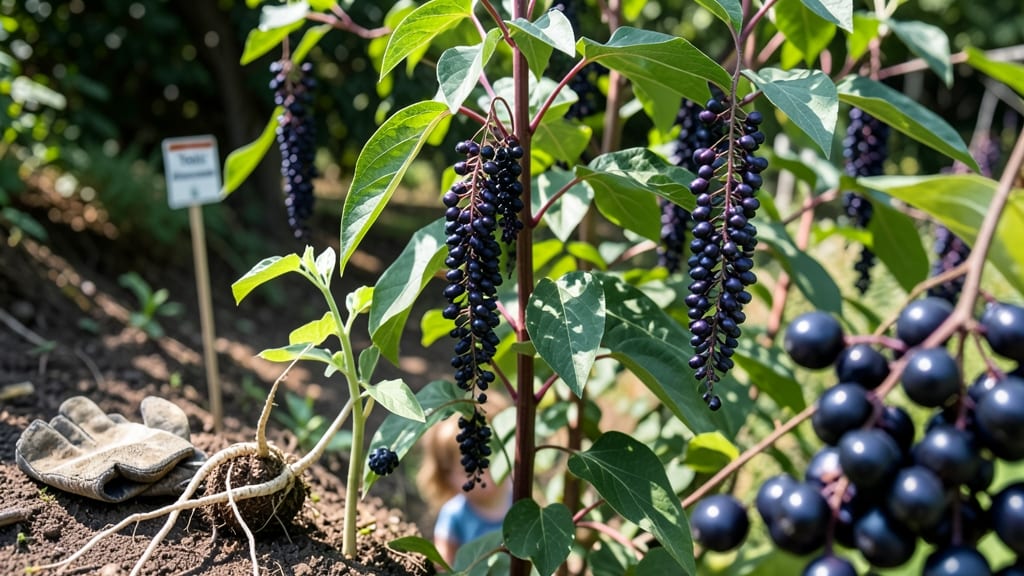
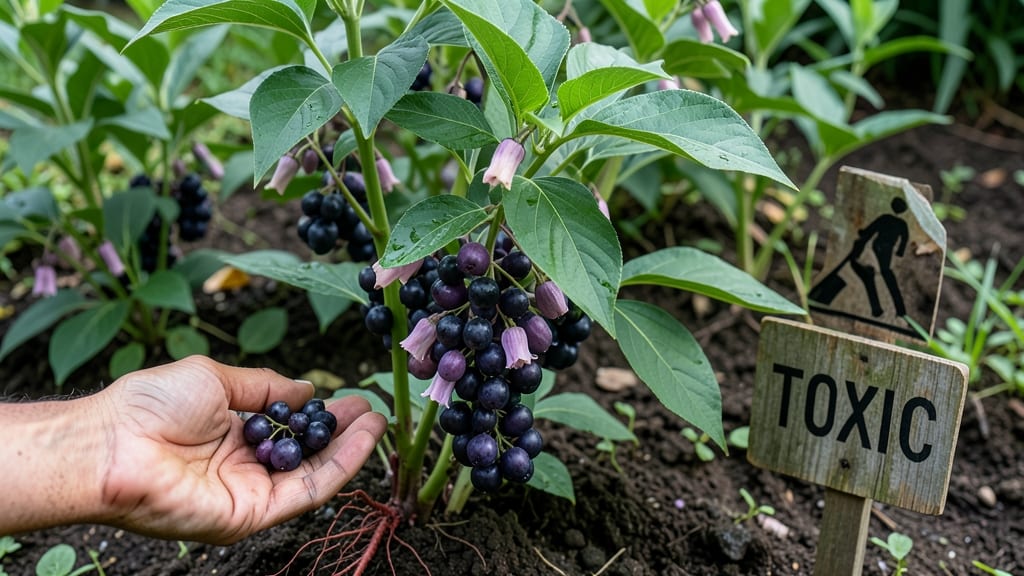
💥 Quick Answer Pokeweed is dangerous because all parts contain toxic compounds like lectins and alkaloids, which can cause severe nausea, vomiting, and even organ damage if ingested. Skin contact may also trigger…
💥 Quick Answer Yes, pokeweed is poisonous to humans, containing toxins like phytolaccatoxin and saponins that cause severe vomiting, diarrhea, and skin irritation upon ingestion or contact. All parts of the plant are…